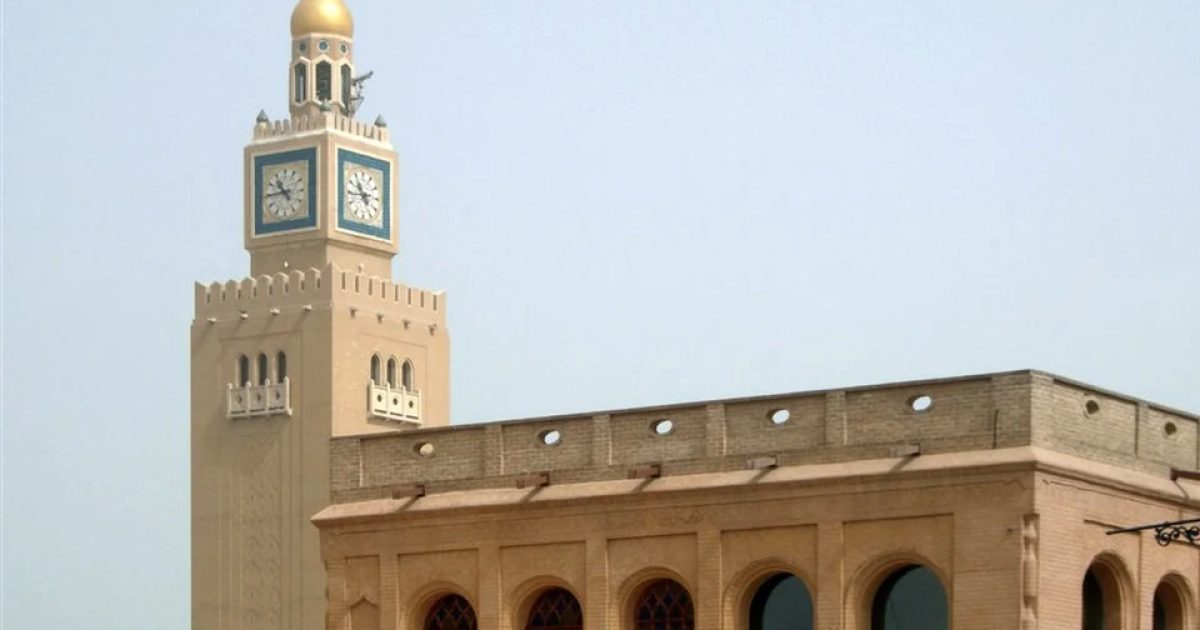
The waqf (Islamic endowment) system is one of the oldest and most enduring legal institutions in Islamic civilization. In Kuwait, awqaf enjoy significant legislative and institutional attention, reflecting their deep-rooted importance in the country's social and economic fabric. Kuwait has developed a comprehensive legal framework governing endowments and charitable affairs, anchored by Decree-Law No. 257/2015 on Awqaf, the Charitable Collections Law No. 68/2015, and the legislation organizing the Ministry of Awqaf and Islamic Affairs and the Kuwait Awqaf Public Foundation. This article provides a thorough overview of this legal system, noting that the information presented is general in nature and does not constitute legal advice.
Legislative Framework for Awqaf and Charitable Affairs
Kuwait's legal framework for awqaf rests on several key pieces of legislation:
- Decree-Law No. 257/2015 on Awqaf: The primary statute governing the definition, establishment, management, investment, and oversight of endowments. It modernized earlier legislation to address contemporary challenges in waqf administration.
- Ministry of Awqaf and Islamic Affairs Organizational Law: Defines the ministry's jurisdiction over religious and waqf affairs, including mosque administration and religious education.
- Charitable Collections Law No. 68/2015: Regulates fundraising for charitable and humanitarian purposes, establishing transparency and accountability requirements.
- Civil Society Organizations Law: Governs the establishment, governance, and oversight of charitable associations and foundations.
The system also draws on Islamic Sharia principles as a primary source of legislation under Article 2 of the Kuwaiti Constitution, giving jurisprudential rulings on waqf binding legal force where no explicit statutory provision exists.
Definition and Islamic Jurisprudential Basis of Waqf
In both Islamic jurisprudence and Kuwaiti law, waqf is defined as the dedication of property — removing it from disposition — and directing its proceeds and benefits to designated charitable or social purposes, either from inception or ultimately. The endowed property itself remains inalienable: it cannot be sold, gifted, or inherited, while its income flows to the beneficiaries designated by the endower (waqif).
Waqf finds its jurisprudential basis in the Quran, the Prophetic Sunnah, and scholarly consensus. It is considered among the most meritorious forms of ongoing charity (sadaqa jariya) whose rewards continue beyond the endower's lifetime. Under Kuwaiti law, waqf is distinguished by three essential characteristics: permanence, irrevocability once properly established, and immediate legal effect upon the waqif's declaration.
Types of Waqf Under Kuwaiti Law
Kuwaiti legislation recognizes three principal categories of waqf based on the designated beneficiaries:
- Charitable Waqf (Waqf Khayri): An endowment whose proceeds are directed from inception to public welfare purposes — mosques, hospitals, schools, orphanages, and aid for the poor. This type serves the general public interest without restriction to specific relatives.
- Family Waqf (Waqf Ahli/Dhurri): An endowment whose benefits are initially directed to the waqif, their descendants, or specifically designated individuals, with the remainder reverting to charitable purposes upon extinction of the designated beneficiaries. Special rules govern the order of entitlement and distribution of proceeds.
- Combined Waqf (Waqf Mushtarak): An endowment that allocates benefits between both family and charitable purposes simultaneously — for example, half the income to the waqif's descendants and half to the poor. Each portion is governed by the rules applicable to its respective type.
Establishing a Waqf: Conditions and Registration
Kuwaiti law prescribes several essential conditions for the valid creation of a waqf:
- Capacity of the Waqif: The endower must be of full legal capacity (adult, sound mind, acting voluntarily) and must hold complete and unencumbered ownership of the property being endowed.
- Eligible Property: The property must be identifiable, capable of yielding lawful benefit while its substance is preserved. Kuwaiti law has broadened the scope of endowable assets to include real estate, company shares, cash (cash waqf), and intellectual property rights.
- Valid Declaration: The waqf declaration must clearly express the waqif's intent to permanently dedicate the property. It must take immediate effect — conditional or future-dated endowments are not recognized.
- Perpetuity and Irrevocability: A waqf is, in principle, perpetual and irrevocable once validly established, distinguishing it from ordinary gifts or donations.
The waqf must be documented in a formal waqf deed (hujja waqfiyya) specifying the waqif's details, the endowed property, conditions, beneficiaries, income distribution rules, and the appointed administrator. For real property, registration in the land registry is mandatory to ensure enforceability against third parties.
Waqf Management: The Nazir (Administrator)
The nazir (also called mutawalli) is the cornerstone of waqf administration — the individual or entity responsible for preserving endowed assets, investing them, and distributing income to beneficiaries in accordance with the waqif's conditions and the law.
Appointment: The waqif may appoint a nazir in the waqf deed, including themselves. Where no nazir is appointed or the position becomes vacant, the Kuwait Awqaf Public Foundation either appoints a suitable administrator or assumes the role directly.
Duties: The nazir's obligations include preserving and maintaining waqf assets, investing them for optimal returns within Sharia-compliant parameters, distributing income to beneficiaries on schedule, submitting periodic financial reports to supervisory authorities, and refraining from disposing of waqf assets except where legally permitted.
Removal: A nazir may be removed for breach of trust, gross negligence, or incapacity, by decision of the competent authority or court order, subject to the nazir's right to present a defense.
Kuwait Awqaf Public Foundation
The Kuwait Awqaf Public Foundation (Al-Amana Al-Amma lil-Awqaf) is the central governmental body responsible for overseeing, developing, and investing waqf assets. It operates with the institutional independence needed to manage the national endowment portfolio professionally.
Its core functions include general supervision of all awqaf in Kuwait, registration of new endowments, direct management of awqaf without private administrators, investment and development of waqf assets through Sharia-compliant real estate, commercial, and financial projects, oversight and auditing of private nazirs, and representation of awqaf before courts and governmental bodies. The Foundation has established Kuwait as a regional leader in waqf innovation, pioneering modern instruments such as cash waqf and waqf shares.
Investment of Waqf Assets and Istibdal
Kuwaiti law permits the investment of waqf funds through all Sharia-compliant instruments, including real estate development, Islamic partnerships (musharaka and mudaraba), Sharia-compliant equities and sukuk, specialized waqf investment funds, and participation in sustainable development projects. All investments must avoid prohibited transactions such as interest-based dealings and excessive speculation, while safeguarding the capital base of the endowment.
Istibdal (Replacement): In specified circumstances, the law permits replacing endowed property with another asset of equal or greater value — typically where the original property's utility is exhausted or a demonstrably superior alternative exists. Istibdal requires judicial or regulatory authorization and is subject to stringent safeguards to prevent abuse.
Charitable Organizations and Fundraising Regulation
Beyond the waqf system, Kuwait maintains a robust regulatory framework for institutional charitable work:
Licensing: Charitable organizations require prior licensing from the Ministry of Social Affairs, with detailed requirements regarding objectives, bylaws, founder qualifications, and organizational structure. Licensed organizations are subject to ongoing supervisory oversight.
Governance and Financial Oversight: The law mandates good governance standards including elected boards of directors with regular renewal, annual audited financial statements by independent auditors, transparency in disclosing funding sources and expenditures, and periodic reporting to regulatory authorities.
Foreign Funding Restrictions: Kuwaiti law imposes strict controls on charitable organizations receiving foreign funding, requiring prior authorization from competent authorities in line with anti-money laundering and counter-terrorism financing standards.
Charitable Collections: Law No. 68/2015 comprehensively regulates fundraising activities, prohibiting unauthorized collections, requiring clear disclosure of purposes and beneficiaries, and mandating detailed accounting of proceeds and their disbursement.
Tax Treatment and Waqf Disputes
Kuwait does not impose personal income tax, which simplifies the tax treatment of charitable donations and waqf contributions compared to other jurisdictions. Awqaf and charitable organizations benefit from various exemptions, including certain land registration fee waivers and customs duty exemptions for charitable imports. Corporate donors may deduct qualifying charitable contributions from their tax base under applicable corporate tax provisions.
Waqf disputes — typically concerning interpretation of waqf conditions, nazir management, beneficiary entitlements, istibdal, or validity challenges — are adjudicated by different courts depending on their nature: Personal Status Courts handle family waqf disputes, Administrative Courts review decisions by the Awqaf Foundation or Ministry, and Civil Courts may hear certain contractual and investment-related waqf matters. Amicable resolution is encouraged given the charitable nature of waqf.
Termination of Waqf and Economic Impact
Waqf is, by principle, perpetual and survives the death of both the waqif and the beneficiaries. However, the law recognizes limited circumstances for termination: total destruction of the endowed property without possibility of restoration, judicial istibdal where legally justified, court-ordered nullification for fundamental defects in formation, and conversion of family waqf to charitable waqf upon extinction of the designated line of beneficiaries.
Kuwait's waqf sector is among the most developed in the Arab and Islamic world. The Awqaf Public Foundation manages a substantial portfolio of real estate, commercial properties, and diversified financial assets, making it one of the largest waqf institutions in the Gulf region. The sector contributes meaningfully to social and economic development through education, healthcare, humanitarian aid, affordable housing, and scientific research funding.
Practical Guidance for Establishing a Waqf
For those considering establishing a waqf in Kuwait, the following practical steps are recommended:
- Planning: Clearly define your objectives, the type and value of assets to be endowed, intended beneficiaries, and income distribution methodology.
- Legal Counsel: Engage a lawyer specializing in waqf law to draft the waqf deed properly and protect the interests of all parties.
- Administrator Selection: Appoint a trustworthy and competent nazir with financial management experience, or entrust administration to the Awqaf Public Foundation.
- Registration: Register the waqf with the competent authorities to ensure full legal protection.
- Ongoing Oversight: Monitor your endowment's performance regularly and review the nazir's financial and administrative reports.
Conclusion
Kuwait's awqaf and charitable affairs system represents an advanced legal and institutional framework that combines Islamic jurisprudential tradition with modern regulatory governance. As legislation continues to evolve and public awareness of waqf's potential grows, the sector is poised for further expansion and innovation.
Navigating the legal complexities of endowments and charitable affairs requires deep understanding of the interplay between Sharia principles and statutory law. Whether you are establishing a waqf, managing endowment affairs, founding a charitable organization, or facing a waqf-related dispute, the team at Yumnaak Law Firm is ready to provide specialized legal counsel and help you safeguard your rights and achieve your philanthropic objectives.