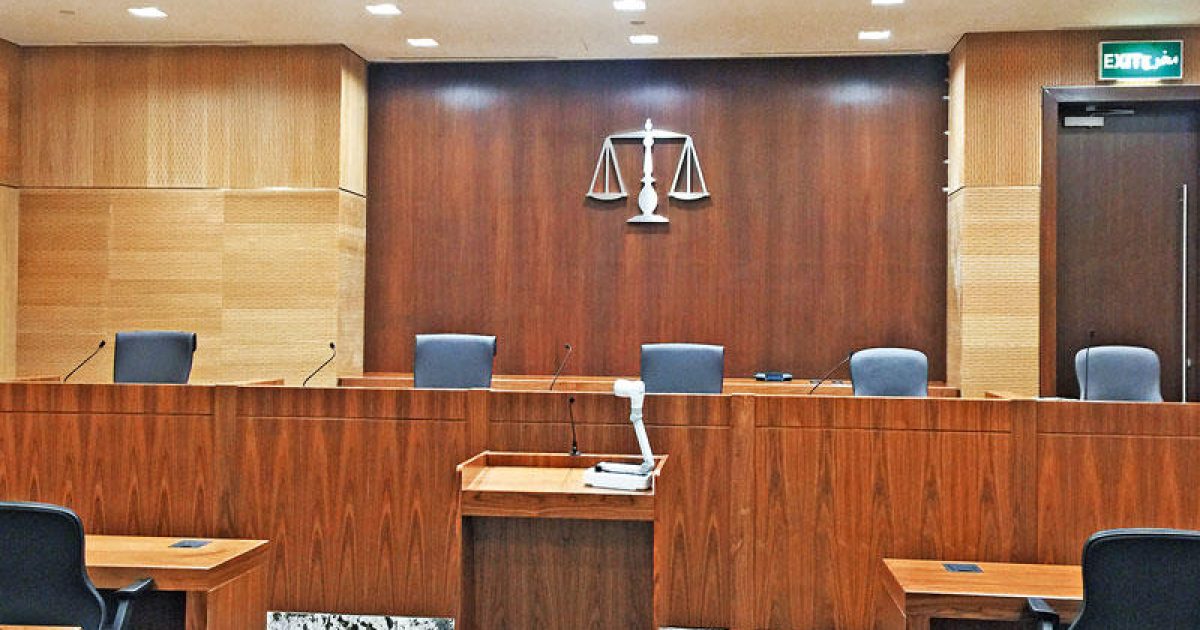
Domestic violence is one of the most serious social issues threatening family stability and individual safety. The Kuwaiti legislature took a landmark step in addressing this problem by enacting Law No. 16 of 2020 on Protection from Domestic Violence, establishing a comprehensive legal framework dedicated to combating all forms of domestic abuse. This article examines the full scope of legal protections available to victims of domestic violence under Kuwaiti law, including the relevant statutory framework, protection orders, reporting mechanisms, criminal penalties, and practical guidance for those seeking help.
The Legislative Framework
Prior to 2020, Kuwait lacked a standalone law addressing domestic violence. Legal responses relied on general provisions scattered across several statutes:
- The Penal Code (Law No. 16 of 1960, as amended): Contains provisions criminalizing assault, battery, bodily harm, and related offenses, applicable to crimes committed within or outside the family context.
- The Personal Status Law (Law No. 51 of 1984, as amended): Governs family matters including spousal rights, maintenance, child custody, and divorce for harm, providing indirect remedies for victims of marital abuse.
- Law No. 16 of 2020 on Protection from Domestic Violence: The cornerstone legislation that created a specialized and integrated legal framework for addressing all forms of domestic violence.
Law No. 16 of 2020 was enacted in response to growing advocacy from civil society organizations, human rights groups, and recommendations from international bodies, including the UN Committee on the Elimination of Discrimination Against Women (CEDAW). It represents a significant advancement in Kuwait's human rights protection infrastructure.
Definition and Scope of Domestic Violence
The law adopts a broad definition of domestic violence encompassing multiple forms of abuse:
- Physical violence: Any act causing bodily harm, including hitting, beating, wounding, and all forms of physical assault.
- Psychological violence: Acts or words inflicting emotional or psychological harm, including threats, intimidation, humiliation, and forced social isolation.
- Sexual violence: Any sexual assault or coercion directed at a family member.
- Economic violence: Depriving a family member of their legitimate financial rights, controlling their economic resources, or preventing them from working or managing their own finances.
The scope of protected persons extends to:
- Spouses (including in some cases after divorce)
- Children of all ages
- Parents and elderly family members
- Relatives within certain degrees of kinship
- Persons residing in the same household, including domestic workers
Protection Orders: Types, Duration, and Conditions
One of the most significant innovations introduced by Law No. 16 of 2020 is the protection order system, a judicial mechanism designed to provide swift and effective protection to victims. Protection orders fall into two main categories:
- Temporary protection orders: Issued on an emergency basis to provide immediate protection. These typically require the abuser to leave the family home or maintain a specified distance from the victim, and remain in effect for a defined period subject to renewal.
- Permanent protection orders: Issued by the competent court after a full hearing, broader in scope and longer in duration.
Protection orders may include one or more of the following measures:
- Ordering the abuser to vacate the family residence
- Prohibiting the abuser from approaching the victim or their places of work, school, or residence
- Barring the abuser from contacting the victim by any means
- Requiring the surrender of the victim's personal belongings
- Mandating the abuser's participation in psychological or social rehabilitation programs
Crucially, violating a protection order constitutes a separate criminal offense punishable by imprisonment and fines, giving these orders real deterrent force.
Reporting Mechanisms
Kuwaiti law provides multiple channels for reporting domestic violence, designed to ensure accessibility for all victims:
- Emergency hotlines: Dedicated phone lines operate around the clock for reporting domestic violence and requesting immediate assistance.
- Police: Victims or any person aware of domestic violence may file a report at any police station. Law enforcement is obligated to take immediate action.
- Public Prosecution: The prosecution investigates domestic violence complaints and initiates criminal proceedings where warranted.
- Social workers: Trained professionals who receive reports, provide psychosocial support, and prepare assessments for judicial authorities.
- Shelters: The state operates specialized shelters for domestic violence victims, providing comprehensive care and temporary housing.
The law imposes mandatory reporting obligations on medical and educational institutions that become aware of domestic violence, particularly involving children, the elderly, and persons with disabilities. Failure to report can result in legal liability.
The Role of Family Court
The Family Court plays a central role in domestic violence cases alongside its traditional jurisdiction over personal status matters. Its functions include:
- Issuing, renewing, and revoking protection orders
- Adjudicating divorce petitions linked to domestic violence
- Deciding custody and maintenance matters affected by domestic violence
- Referring parties to rehabilitation and counseling services
An important intersection exists between criminal proceedings arising from domestic violence and divorce litigation. A criminal conviction for domestic violence can serve as compelling evidence in a divorce-for-harm petition before the Family Court. Victims may pursue criminal and civil remedies simultaneously.
Criminal Penalties and Aggravating Circumstances
Kuwaiti law prescribes graduated criminal penalties for domestic violence offenses based on the severity of the act and its consequences:
- Minor assault: Punishable by imprisonment and fines under the Penal Code, with enhanced penalties when committed in a domestic context.
- Serious bodily harm: Significantly harsher penalties apply when violence results in permanent disability or severe injury.
- Violation of protection orders: A distinct offense carrying its own penalties of imprisonment and fines.
Several circumstances serve as aggravating factors that increase the severity of punishment:
- The victim is a child or minor
- The victim is elderly or has a disability
- A weapon or dangerous instrument was used
- The offender is a repeat offender (recidivism)
- The violence was committed in the presence of children
- The offender exploited a position of authority or the victim's vulnerability
Protection of Vulnerable Groups
Child protection: The law criminalizes all forms of child abuse, whether physical, psychological, or sexual, as well as serious neglect. Educational and healthcare institutions are required to report any suspected abuse immediately. Courts are mandated to prioritize the best interests of the child in all custody and visitation decisions related to domestic violence cases.
Elder abuse: Elderly family members who suffer abuse or neglect are covered by the law's protections, and the victim's advanced age constitutes an aggravating factor. Financial exploitation of elderly persons and taking advantage of their physical or mental vulnerability are also criminalized.
Domestic workers: As household residents, domestic workers are included within the protective scope of the law and may benefit from the same reporting channels and protection orders.
Mediation and Reconciliation
Kuwait's legal system includes mechanisms for mediation in family disputes, but an important distinction applies in domestic violence cases:
- In minor cases involving no serious threat, mediation may be offered as an option to preserve family unity.
- In cases of serious or repeated violence, mediation must not replace criminal accountability, as victim safety remains the paramount concern.
- Victims must never be coerced into reconciliation or waiving their rights under family or social pressure.
Law No. 16 of 2020 requires that any mediation be conducted under the supervision of qualified professionals and must account for the power imbalance between the parties to protect the victim's rights.
Social and Cultural Challenges
Despite significant legislative progress, several social and cultural challenges continue to hinder effective domestic violence prevention in Kuwait:
- Cultural attitudes that treat family matters as strictly private
- Fear of social stigma associated with reporting domestic violence
- Family pressure on victims to withdraw complaints
- Limited awareness among some populations of their legal rights and available protections
The government is actively addressing these challenges through public awareness campaigns, training programs for relevant personnel, and expanded psychosocial support services for victims.
International Obligations and Regional Comparison
Kuwait is a party to the Convention on the Elimination of All Forms of Discrimination Against Women (CEDAW), albeit with certain reservations. The recommendations of the UN committee responsible for monitoring CEDAW compliance were instrumental in driving the enactment of standalone domestic violence legislation. Across the GCC, most member states have enacted similar legislation in recent years, though the comprehensiveness of protections and effectiveness of enforcement mechanisms vary considerably.
Kuwait's law is regarded as among the more progressive in the region, particularly in its recognition of psychological and economic violence and its provision of emergency protection orders.
Practical Guidance for Victims
If you are experiencing domestic violence or know someone who is, the following steps are important:
- Document the evidence: Preserve all evidence of abuse, including medical reports, photographs of injuries, threatening messages, recordings, and witness statements.
- Seek immediate help: In cases of imminent danger, call emergency services immediately. You may also go to the nearest police station to file a formal report.
- Obtain a medical report: Visit the nearest hospital or health center for a medical report documenting your injuries, as this constitutes powerful evidence in criminal proceedings.
- Consult a specialized lawyer: It is essential to engage a lawyer experienced in family law and domestic violence to understand your legal rights and available options.
- Apply for a protection order: Your lawyer can file for a protection order to ensure your safety and keep the abuser away.
- Do not yield to pressure: Never waive your rights under social or family pressure. The law guarantees you full protection.
Conclusion
Law No. 16 of 2020 on Protection from Domestic Violence represents a transformative development in Kuwait's legislative landscape, establishing a comprehensive framework that balances victim protection, offender accountability, and family cohesion. The true effectiveness of this law depends on public awareness of its provisions and the commitment of relevant authorities to its enforcement.
If you are facing a situation involving domestic violence or need legal advice about your rights, the team at Yumnaak Law Firm includes attorneys who specialize in family law and domestic violence protection. We are fully prepared to provide legal counsel and court representation to ensure your rights and safety are protected.