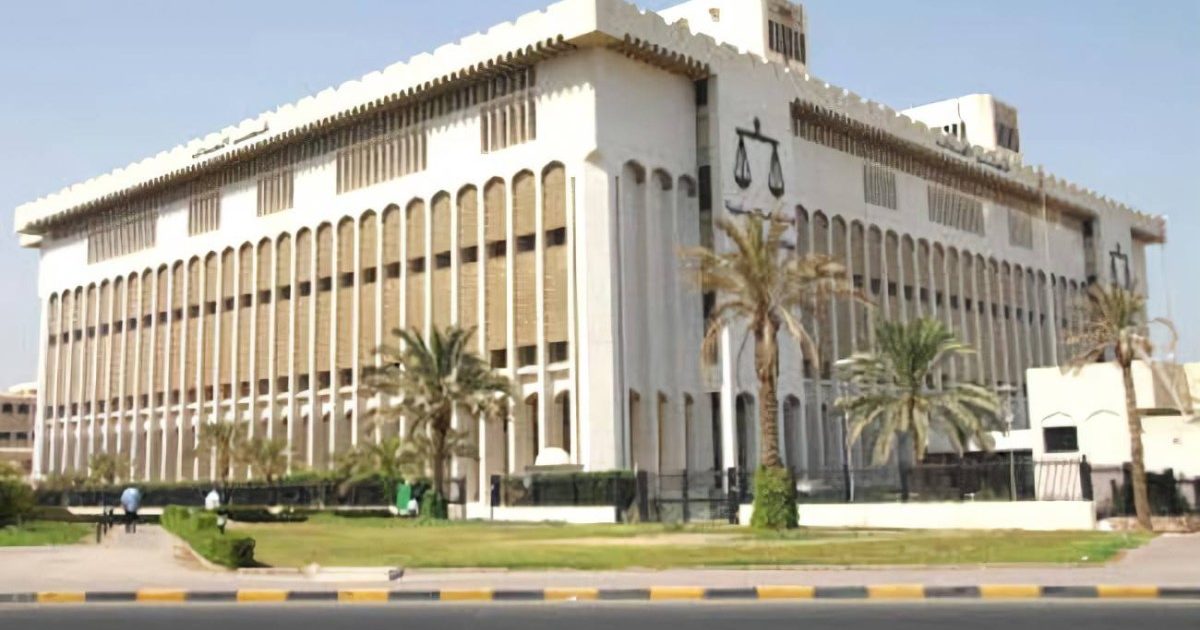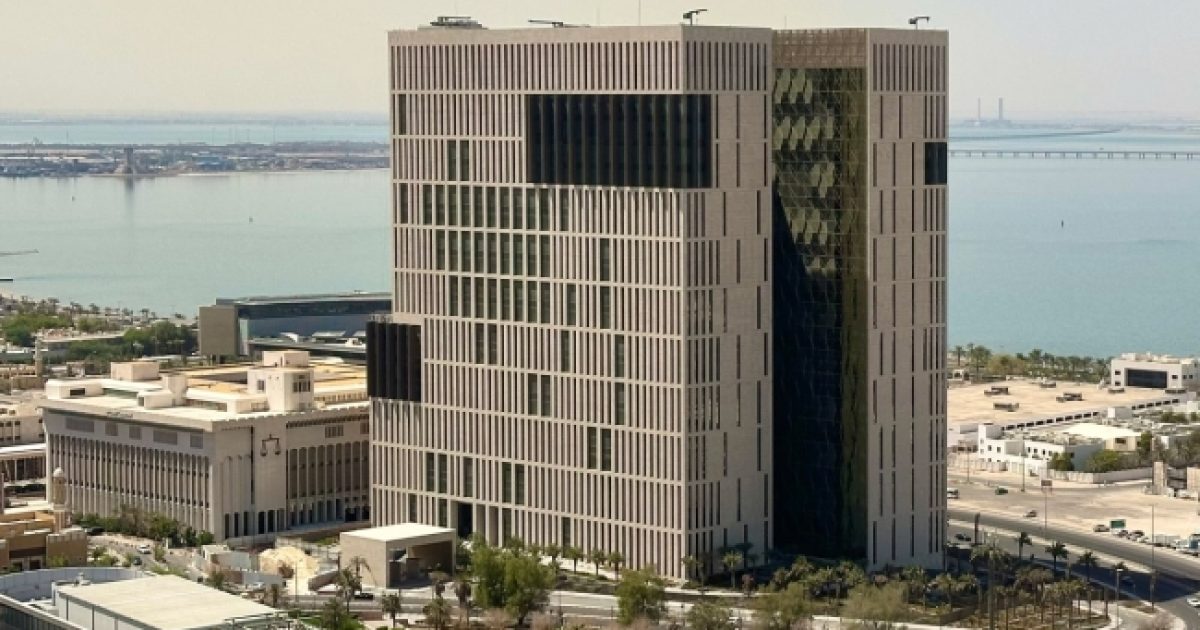
The sports sector in Kuwait is governed by a comprehensive legal framework that seeks to regulate the relationship between clubs, federations, athletes, and regulatory bodies in line with international standards. As Kuwait continues to develop its sports industry and strengthen its presence in regional and global competitions, understanding the legal landscape is essential for all stakeholders. This article provides an overview of the key aspects of sports law in Kuwait, from the regulatory framework to athlete rights and dispute resolution mechanisms.
The Legislative Framework for Sports in Kuwait
Law No. 26 of 2012 on Sports Clubs and Federations forms the cornerstone of sports regulation in Kuwait. This legislation updated the previous regulatory framework and introduced comprehensive provisions governing the establishment, governance, financial management, and administrative oversight of sports entities. Supplementary ministerial decisions further detail aspects such as election procedures, membership requirements, and financial controls.
The legislative framework also encompasses the law establishing the Public Authority for Sports, anti-doping legislation, and criminal provisions addressing violence in sports venues. These national laws operate alongside the regulations of international sports organizations such as FIFA, the Asian Football Confederation (AFC), and the International Olympic Committee (IOC), with which Kuwaiti sports entities must comply as a condition of membership.
The Public Authority for Sports
The Public Authority for Sports serves as the primary regulatory body overseeing the sports sector in Kuwait. Its broad mandate includes approving the establishment of new sports clubs and federations, reviewing their bylaws for legal compliance, supervising elections, and monitoring the financial affairs of sports entities that receive public funding.
The Authority holds the power to take disciplinary action against non-compliant organizations, including dissolving boards of directors and appointing interim management committees. However, these extensive governmental powers have occasionally created tension with international sports organizations, which insist on the autonomy of national sports bodies from direct government interference — a principle enshrined in the Olympic Charter and FIFA statutes.
Establishing and Governing Sports Clubs
Kuwaiti law sets specific requirements for establishing sports clubs, including obtaining approval from the Public Authority for Sports and submitting bylaws that outline the club's objectives, administrative structure, and membership criteria. Clubs are required to adhere to good governance standards, including regular board elections, financial transparency, and the submission of audited financial reports to regulatory authorities.
The law regulates government financial support to sports clubs and imposes strict controls on expenditure. Board members are prohibited from holding positions in more than one sports club simultaneously, and term limits are imposed on administrative positions to ensure leadership renewal. Clubs receiving public funds are also subject to oversight by the State Audit Bureau.
Sports Federations: Structure and Autonomy
Kuwaiti sports federations are responsible for organizing and managing their respective sports at the national level, serving as intermediaries between clubs and international governing bodies. Law No. 26 of 2012 defines their powers and responsibilities, including organizing domestic competitions, setting technical rules, and selecting national teams.
A central challenge in Kuwaiti sports law has been balancing government oversight with the autonomy demanded by international organizations. The IOC and FIFA require national federations to operate independently from government control. Kuwait has experienced this tension firsthand, with legislative amendments introduced over the years to reconcile regulatory supervision with the principle of sports autonomy enshrined in international charters.
Athlete Rights and Player Contracts
Kuwaiti sports legislation pays particular attention to athlete rights and contractual relationships. Professional player contracts are governed by the Kuwait Civil Code alongside sport-specific regulations issued by the relevant federations. These contracts typically address duration, compensation, incentives, health insurance, termination clauses, and damages.
Player transfers are subject to the regulations of the relevant international governing bodies, particularly FIFA's Regulations on the Status and Transfer of Players in football. Athletes who experience contractual breaches by their clubs may seek recourse through federation dispute resolution committees or the national courts. Players also enjoy fundamental labor protections, including protection against unfair dismissal and the right to a safe training environment.
Image rights and commercial exploitation of athletes' names and likenesses are increasingly important in the region's growing sports economy. Athletes are strongly advised to seek specialized legal counsel when negotiating contracts to ensure comprehensive protection of their rights.
Anti-Doping Regulations
Kuwait adheres to international anti-doping standards and has established a national anti-doping committee operating in accordance with the World Anti-Doping Code issued by the World Anti-Doping Agency (WADA). Kuwaiti legislation criminalizes the use and trafficking of prohibited substances, with penalties ranging from temporary suspension to permanent bans from competitive sports.
Athletes are subject to both in-competition and out-of-competition testing, and must comply with whereabouts reporting requirements. Anti-doping violations are treated with severity, potentially resulting in the annulment of competitive results, stripping of titles and medals, and disciplinary sanctions.
Sports Arbitration and the Court of Arbitration for Sport
Sports arbitration is the primary mechanism for resolving disputes in both domestic and international sports. At the national level, dispute resolution committees within Kuwaiti sports federations adjudicate conflicts between clubs, players, coaches, and agents, applying federation-specific regulations alongside general Kuwaiti law.
At the international level, the Court of Arbitration for Sport (CAS) in Lausanne, Switzerland, serves as the final forum for resolving international sports disputes. Kuwaiti parties — whether clubs, athletes, or federations — may appeal decisions of international governing bodies to CAS. Several notable CAS cases have involved Kuwait, particularly those relating to the country's suspension from international sports organizations.
Parties are encouraged to exhaust amicable settlement and mediation options before resorting to arbitration, as international arbitration proceedings can be costly and protracted. Strict attention must be paid to filing deadlines, as missing them forfeits the right of appeal.
Kuwait's Relationship with International Sports Bodies
Kuwait's relationship with international sports organizations has seen significant challenges. The country has faced suspension by both the IOC and FIFA on multiple occasions over concerns about government interference in sports governance. During suspension periods, Kuwaiti athletes were compelled to compete under the Olympic flag rather than the national flag — a situation that generated considerable domestic pressure for legislative reform.
Kuwait has taken important steps to address these concerns through successive legislative amendments aimed at strengthening the autonomy of sports governance while maintaining appropriate oversight. These reforms have contributed to the lifting of some sanctions and the restoration of Kuwait's full membership in several international sports organizations.
Intellectual Property in Sports
Intellectual property matters in Kuwaiti sports are gaining prominence, encompassing broadcasting rights for sports competitions, commercial sponsorship agreements, and protection of club and federation trademarks. Broadcasting rights are governed by Kuwait's general intellectual property legislation alongside specific agreements between sports federations and media entities.
Sports sponsorship contracts involve complex legal dimensions that require careful drafting, including rights to use club logos and player names in advertising campaigns, and naming rights for stadiums and sports facilities. Clubs and sponsors are advised to engage specialized legal counsel to protect their interests and prevent disputes over the scope of granted rights.
Violence Prevention and Sports Facility Safety
Kuwaiti legislation addresses the prevention of violence and hooliganism in sports venues and establishes safety standards for sports facilities. Criminal provisions penalize acts of violence and vandalism at sports venues, and authorities may impose attendance bans on offenders. Clubs and competition organizers are required to ensure safety standards including surveillance systems, emergency exits, and safe venue capacity. Major events are secured in coordination with the Ministry of Interior.
Gender Equality in Kuwaiti Sports
Women's sports in Kuwait have seen notable progress in recent years, with increasing efforts to enable Kuwaiti women to participate in various athletic activities. Kuwaiti female athletes have competed in the Olympic Games and international championships, reflecting meaningful advancement. The Olympic Charter requires national Olympic committees to promote women's participation in sports at all levels, and the Public Authority for Sports actively supports women's sports through the establishment of women's teams and the organization of women's competitions across multiple disciplines.
Practical Advice for Athletes and Clubs
Given the growing complexity of the sports legal landscape, athletes and clubs in Kuwait should consider the following:
- Review contracts carefully: Every athlete should thoroughly review their club contract before signing, ensuring clarity on rights, obligations, duration, compensation, termination conditions, and damages.
- Comply with anti-doping rules: Athletes must familiarize themselves with the prohibited substances list and adhere to testing procedures and whereabouts reporting requirements.
- Maintain documentation: Retaining copies of all contracts, correspondence, and decisions is essential, as these may be critical in the event of a dispute.
- Know your appeal rights: Athletes and clubs have the right to challenge disciplinary and administrative decisions, but must respect the specific deadlines for filing appeals.
- Ensure governance compliance: Clubs and federations must adhere to good governance standards, financial transparency, and periodic reporting obligations to avoid regulatory sanctions.
Conclusion
Sports law in Kuwait represents a sophisticated legal framework that seeks to balance government oversight with the autonomy of sports governance, while honoring international obligations and global standards. As the sports landscape continues to evolve both domestically and internationally, the need for specialized legal counsel in sports matters becomes increasingly important to protect the rights of all stakeholders and ensure compliance with applicable laws and regulations.
If you require specialized legal advice on sports law or any other legal matter, the team at Yumnaak Law Firm is ready to provide the professional guidance and support needed to protect your rights and interests.