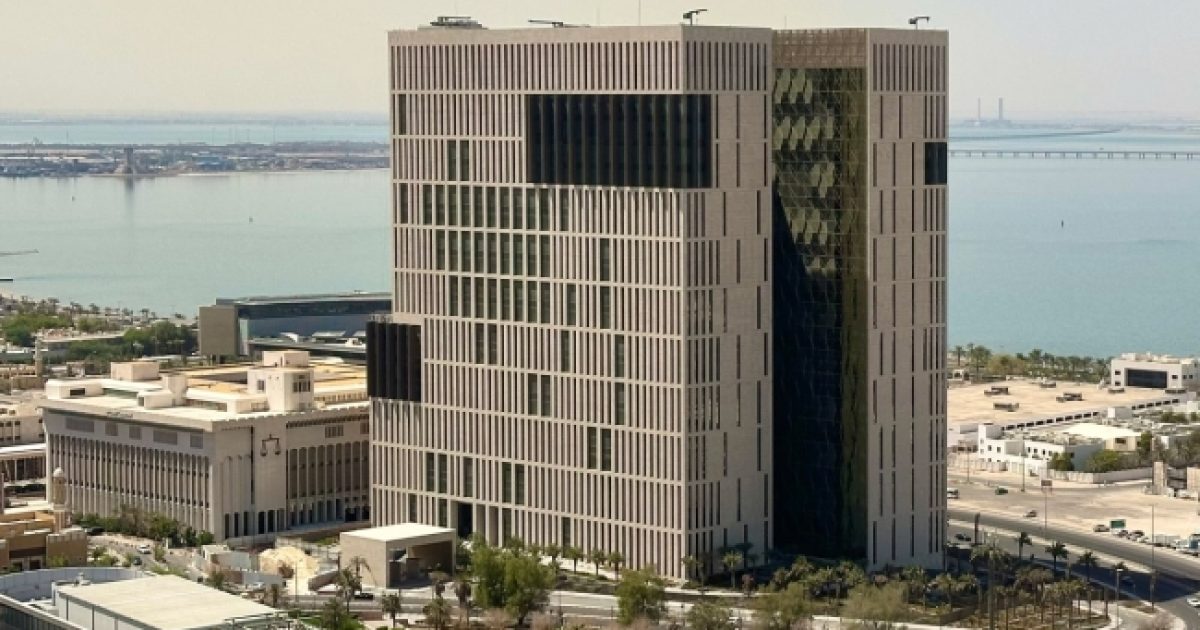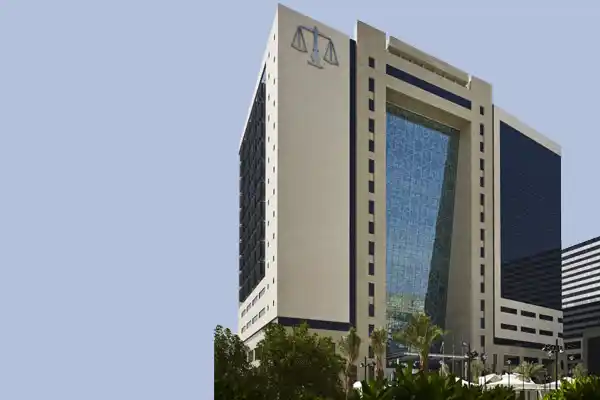
Introduction to Commercial Disputes in Kuwait
The commercial environment in the State of Kuwait has witnessed accelerated and notable growth, with increasing numbers of transactions and contracts between merchants and economic enterprises. With this steady economic growth, the likelihood of commercial disputes between parties inevitably increases. These disputes may concern non-performance of contractual obligations, failure to settle debts, or disagreement over contractual terms. Understanding the methods for resolving these disputes requires in-depth knowledge of the legal and procedural frameworks that govern them under Kuwaiti legislation. Commercial enterprises and those working in the commercial field need comprehensive understanding of available options, whether amicable methods or judicial procedures, to ensure effective protection of their interests and rights.
Types of Common Commercial Disputes
The forms of commercial disputes in Kuwait have diversified according to the nature of the commercial relationship between parties and the transaction size. They can be classified into several basic categories that every commercial operator should be aware of:
- Contract Disputes: These arise from non-performance of contracts, whether sales contracts, purchases, imports/exports, distribution, commercial agency, or construction contracts. These disputes represent the largest proportion of commercial cases in Kuwaiti courts, as most commercial relationships are contractually based.
- Commercial Debt Disputes: These concern failure to settle monies due on parties within agreed timeframes, whether for goods, services provided, or commercial loans. These disputes directly affect the cash flow of commercial enterprises.
- Civil Liability Disputes: These result from damage to a merchant's goods or services due to negligence or wrongful act by another party, such as loss, damage, or defects.
- Intellectual Property and Trademark Disputes: These relate to infringement of registered trademarks, patents, industrial designs, or trade secrets.
- Partnership and Company Disputes: These include disagreements between partners regarding company management, profit distribution, partnership exit, or valuation of partner shares.
- Investment and Financing Disputes: These involve disputes concerning investment loans, financing agreements, or project participation contracts.
Legal Framework and Kuwaiti Legislation
Kuwaiti law regulates commercial disputes through several comprehensive basic pieces of legislation that reflect the legal and economic development of the state. Understanding these regulations is essential for anyone dealing in the commercial field:
- Kuwaiti Commercial Law No. 68 of 1961: This is the fundamental and comprehensive law governing commercial transactions and commercial contracts, defining the obligations and rights associated with merchants and commercial enterprises. It covers merchant definitions, commercial activities, accounting obligations, and registration requirements.
- Civil Procedure Code No. 38 of 1960: This establishes procedures for filing and conducting civil and commercial lawsuits before courts of all levels, including primary courts, appellate courts, and the Court of Cassation.
- Kuwaiti Arbitration Law No. 11 of 2015: This regulates arbitration as an alternative dispute resolution method and is based on the UNCITRAL Model Law on Arbitration. It governs procedures for forming arbitration tribunals, selecting arbitrators, and issuing and challenging awards.
- Mediation and Reconciliation Law No. 18 of 2016: This strongly encourages the use of mediation and reconciliation as effective mechanisms for reaching amicable and peaceful solutions before resorting to courts or arbitration.
- Consumer Protection Law No. 3 of 2010: This protects consumer rights in commercial transactions and imposes certain obligations on sellers and contractors.
- Patents and Trademarks Law: This protects the intellectual property and industrial rights of commercial operators.
Specialized Commercial Courts in Kuwait
The State of Kuwait has recognized the importance of establishing independent and professional judicial bodies to hear commercial disputes and has created specialized courts with deep expertise in commercial and economic matters. The Kuwaiti judicial system comprises several levels of courts, each with defined jurisdictions:
- Primary Courts (Commercial Divisions): These have jurisdiction over small to medium commercial disputes with values below a legally defined threshold and feature simplified and expedited procedures.
- First Instance Courts (Commercial Divisions): These are the courts of first instance for high-value commercial disputes, hearing cases exceeding the legally defined threshold. They consist of judges specialized with extensive experience in commercial law.
- Court of Appeals (Commercial Divisions): This reviews appeals and objections against judgments of primary and specialized courts. The appeals court reviews both the law and the facts.
- Court of Cassation: This is the final and highest court level with jurisdiction over cassation appeals concerning legal application and interpretation. The Court of Cassation does not re-examine facts but focuses on legal errors.
The Kuwaiti judiciary enjoys complete independence and impartiality, and these courts employ specialized judges with extensive expertise in commercial matters. Kuwaiti courts provide effective and fair legal protection to all parties.
Arbitration as an Alternative Dispute Resolution Mechanism
Arbitration is considered one of the most important and widely used effective alternative methods for resolving commercial disputes in Kuwait and worldwide. Arbitration is based on the agreement of both dispute parties to submit their disagreement to a single arbitrator or multiple arbitrators (arbitration tribunal) instead of resorting to ordinary courts. The agreement to arbitrate may exist prior to the dispute (arbitration clause in the original contract) or after the dispute arises (arbitration agreement).
- Advantages of Arbitration: Complete confidentiality and privacy of proceedings, speed and efficiency in settling disputes compared to courts, high enforceability internationally (according to the New York Convention for Recognition and Enforcement of Foreign Arbitral Awards 1958), complete flexibility in procedures and timelines, parties' selection of arbitrators with appropriate expertise.
- Types of Arbitration: Institutional arbitration (through officially recognized arbitration centers such as the Kuwait Chamber of Commerce Arbitration Center and the Regional Arbitration Center), and contractual or ad-hoc arbitration (directly stipulated in the contract between parties without institutional involvement).
- Agreement to Arbitrate: There must be a clear and explicit agreement between the parties to arbitrate, whether explicitly included in the original contract or in a separate agreement following the dispute.
- Arbitration Procedures: These begin with filing a formal arbitration request, then forming the arbitration tribunal and approving arbitrators, conducting hearing sessions and oral arguments, and culminating in issuing the final and binding arbitration award.
- Enforcement of Arbitration Awards: Awards issued in accordance with the Kuwaiti Arbitration Law are binding and enforceable without requiring approval from an ordinary court.
Mediation and Conciliation as Amicable and Peaceful Solutions
Kuwaiti laws strongly and explicitly encourage the use of mediation and reconciliation as the first and fundamental step before resorting to arbitration or courts. Mediation is a structured and guided dialogue process between dispute parties with the assistance of a neutral mediator who does not decide the dispute but helps bring views closer and reach a mutually agreed solution. The fundamental difference between mediation and arbitration is that the mediator does not impose a decision but merely facilitates understanding.
- Role of the Mediator: The mediator plays a completely neutral and impartial role, does not impose a solution, but helps parties reach a solution satisfactory to both.
- Complete Confidentiality and Privacy: All communications, discussions, and exchanged documents in mediation are completely confidential and cannot be used as evidence later if mediation fails and the case moves to courts or arbitration.
- High Effectiveness and Low Cost: Mediation is significantly faster and less expensive than litigation or arbitration and preserves commercial relationships between parties.
- Official and Reliable Mechanisms: Commercial courts may offer official mediation services before beginning litigation, and there may be officially recognized specialized mediation centers.
- Final Amicable Agreement: If parties reach an agreement in mediation, they sign a contract specifying obligations and implementation methods, and this contract is legally binding.
Steps for Filing a Commercial Lawsuit Before Courts
If amicable settlement or arbitration attempts fail, the rights holder has the right to resort to courts. Commercial lawsuits follow strict procedural steps defined in the Kuwaiti Civil Procedure Code, and non-compliance may result in lawsuit rejection:
- 1. Filing the Lawsuit: The plaintiff or his attorney files a lawsuit before the competent court (regarding subject matter and geographical jurisdiction), accompanied by copies of documents, evidence, and supporting documentation.
- 2. Correction and Acceptance: The court carefully verifies that conditions for accepting the lawsuit are met (judicial competence, legal capacity, legitimate interest).
- 3. Notification and Service: The defendant is formally notified of the lawsuit, given a copy, and informed of the scheduled first hearing date.
- 4. Hearing Sessions and Oral Arguments: Both plaintiff and defendant present their oral and written arguments before the court in multiple sessions.
- 5. Evidence and Proof: Each party presents evidence supporting its claims, and the court may order expert evaluation or physical inspection if necessary.
- 6. Final and Closing Arguments: Parties have opportunity to submit final briefs and summaries before judgment is issued.
- 7. Issuing the Final Judgment: The court issues its final judgment and announces it publicly in an official session.
Evidence and Proof in Commercial Disputes
Resolving commercial disputes fundamentally depends on evidence presented by the parties. The Kuwaiti Civil Procedure Code recognizes several types of legal evidence with varying degrees of importance:
- Written Evidence and Documents: These include contracts, invoices, letters, emails, accounting and commercial documents, and bank transfers. These carry great legal weight as they document agreements, obligations, and transactions between parties.
- Witness Testimony: Witness testimony can be crucial and decisive in proving facts, obligations, and transactions between parties, especially when there are oral dealings or undocumented agreements.
- Specialized Expert Evaluation: In complex technical disputes, the court may appoint a specialized expert to provide scientific opinion on a matter (such as accounting or technical expertise).
- Physical Inspection: The court may inspect goods or property subject to the dispute to verify their condition and damage.
- Defendant's Acknowledgment: If the defendant acknowledges a particular fact, this acknowledgment is conclusive evidence requiring no additional proof.
- Presumptions and Good Faith: Law provides certain presumptions that may help prove rights in specific cases, such as the presumption of good faith.
Judgments, Enforcement and Appeals
After a court issues a judgment, the prevailing party needs to understand the judgment stages and enforcement procedures:
- Judgment Stages and Legal Force: Judgments go through different stages: the first instance judgment which is appealable, which may then be appealed to the appeals court, and finally may be challenged by cassation before the Court of Cassation.
- Final and Conclusive Judgment: When a judgment becomes final and conclusive (not subject to appeal) or exhausts all available appeal methods, it becomes immediately enforceable.
- Compulsory and Forcible Enforcement: If the judgment debtor does not voluntarily comply with the judgment, the enforcement division of the court may proceed with forcible enforcement.
- Asset and Property Attachment: The court may order attachment of funds or property of the judgment debtor to cover the awarded amount, or seizure of goods or services subject to dispute.
- Appeals and Methods of Challenge: Either party harmed by the first instance judgment may appeal to the appeals court within a specified period under the Procedure Code (usually 30 days from notification date).
Protection of Commercial Rights and Intellectual Property
Commercial operators have certain sensitive rights protected by Kuwaiti legislation with force and severity:
- Intellectual Property and Industrial Rights: Kuwaiti legislation protects patents, registered trademarks, industrial designs, and literary and artistic works. Any infringement exposes the violator to civil and criminal liability.
- Trade Secrets and Confidential Information: Company secrets and information (such as client and supplier lists, production methods, formulas, compositions, and financial data) must receive complete legal protection from disclosure and wrongful use.
- Fair and Honest Competition: Law prohibits unfair competitive practices causing direct economic harm to other commercial enterprises.
- Registered Trademarks: Trademark registration grants the owner exclusive right to use it, and Kuwaiti courts protect this right from counterfeiting or wrongful use.
- Patents and Industrial Designs: A patent owner has exclusive right to commercially exploit the invention, and unauthorized use constitutes legal violation.
Role of the Attorney and Legal Consultation
A specialized attorney plays a crucial and necessary central role in protecting client rights and interests in commercial disputes and contracts:
- Specialized Legal Consultation: The attorney provides specialized and comprehensive legal advice regarding client rights and legal obligations and the obligations of other parties.
- Effective Legal Representation: The attorney represents the client before courts, commercial courts, arbitration tribunals, and mediation centers with professionalism and competence.
- Document and Contract Preparation: The attorney prepares contracts, agreements, lawsuit drafts, and legal memoranda with high legal precision.
- Negotiations, Settlements and Amicable Solutions: The attorney assists in conducting effective negotiations with the other party to reach amicable solutions protecting client interests.
- Protection from Procedural Errors: The specialized attorney ensures client rights are not lost due to procedural errors or failure to meet critical deadlines.
- Strategic Planning and Analysis: The attorney develops effective and comprehensive legal strategy to achieve the best possible outcomes for the client.
Conclusion and Legal Consultation
Commercial disputes in Kuwait are governed by strong, clear and fair legislation providing comprehensive and effective protection for the rights of merchants and economic enterprises. Whether parties choose amicable settlement through mediation, resort to arbitration, or pursue specialized courts, Kuwaiti law provides just, effective and reliable mechanisms for resolving these disputes. The important thing is understanding these mechanisms and associated rights and obligations, and engaging a specialized and trusted attorney in commercial and legal matters to ensure complete and effective protection of client interests. If you face any commercial dispute or have legal inquiries, do not hesitate to contact Yumnaak Law Firm to obtain specialized, comprehensive and reliable legal consultation.