Electricity and water in Kuwait are public utility services that the law protects with particular care, because the property involved is public property connected to the rights of the whole community. Tampering with a meter, or drawing power without authorisation, is therefore not treated as a mere billing dispute: it may give rise to criminal exposure alongside administrative and financial measures that can weigh heavily on an owner, a tenant or a business. This article sets out the general picture and how to deal with it, while noting that the legal characterisation and any penalty are for the investigating authority and the court to determine on the facts of each case.
What counts as theft of current in practice
The offence takes several practical forms, all sharing one element: the service is obtained or consumed without being properly measured. The most common situations include:
- Tampering with the meter, disabling it, slowing it, or otherwise affecting the accuracy of its measurement.
- Bypassing the meter by connecting directly from the cable or main board ahead of the metering point.
- Unauthorised connection to the ministry network or to a neighbouring property without consent.
- Interfering with seals on the meter or distribution board, including removing and replacing them.
- Feeding another property, a camp or a worksite from a single meter issued for a different unit or activity.
- Reconnecting after a disconnection ordered by the ministry, without permission and without completing the formalities.
- Using the service outside its licensed purpose, such as running a commercial or industrial activity on a residential meter.
The governing idea is that the technical reality prevails over what appears on the bill. A gap between expected and measured consumption may justify a technical inspection, but by itself it does not establish a deliberate act.
Who enforces, and how reports are made
The Ministry of Electricity, Water and Renewable Energy inspects the network and meters through its technical and supervisory teams, whether in routine rounds, in response to a complaint, or on the basis of indicators in consumption data. Where a suspected breach is identified, a technical report records the visible condition of the meter, the seals and the connections, and may be supported by photographs, readings and load data.
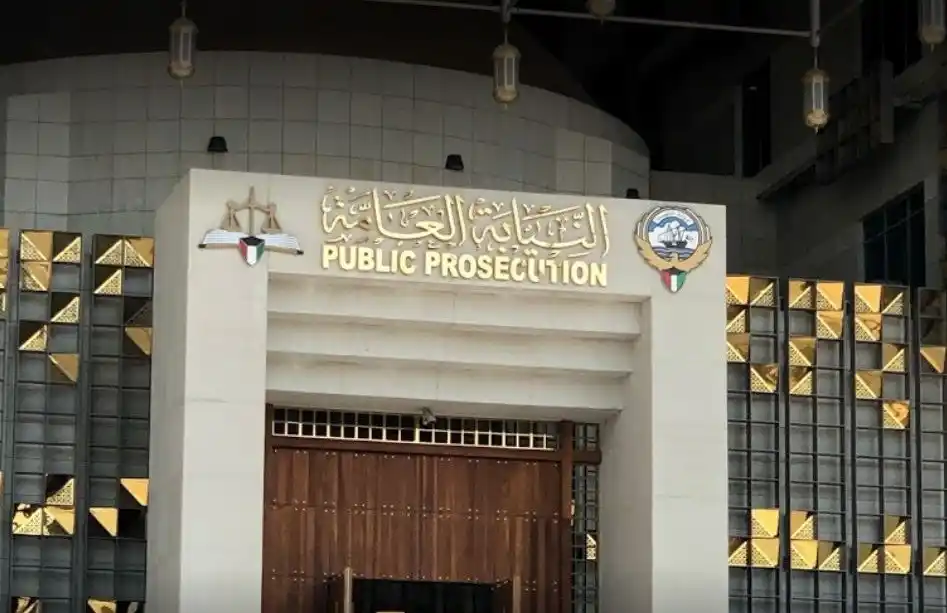
Where the matter carries criminal suspicion, the police are notified and the file is referred to the Public Prosecution, which assesses the legal characterisation and decides on investigative steps. It matters a great deal that the owner or tenant attend the inspection where possible, and obtain a copy of the report and the meter numbers, since these documents are the foundation of any later defence or grievance.
The criminal side
The Penal Code and related legislation protecting public utilities treat the unlawful taking of electricity or water as an interference with the movable property of another, often accompanied by damage to, or disruption of, utility installations. That the property belongs to a public utility is treated within the criminal framework as a factor aggravating how the act is viewed, given the public character of the property and the effect on the network and on other consumers.
The applicable penalty and the extent to which aggravating circumstances apply are for the court to determine in the light of the prosecution's characterisation and the circumstances of each case. For that reason we avoid stating specific figures or terms here, and we recommend confirming the position with the ministry or with a lawyer. As a matter of principle, criminal responsibility is personal: only a person shown to have committed the act with the requisite intent is criminally liable.
The administrative side: disconnection and back-billing
Independently of the criminal route, the ministry exercises administrative powers directly over the account and the property. These typically include:
- Disconnecting the service until the irregularity is removed and formalities are completed.
- Recalculating consumption for a past period on a technical estimate, and issuing a claim for the difference.
- Charging the account with sums, fees and administrative penalties relating to the breach and to repair costs.
- Replacing the meter or correcting the connections at the subscriber's expense.
- Holding up property transactions, since evidence that the property is clear of debt is generally required on transfer, sale or the opening of a new account, making an outstanding balance a practical obstacle to completion.
The estimated bill is what most often takes owners by surprise, because it may cover long past periods. Dealing with it quickly, and contesting the basis of the estimate on technical grounds, is therefore essential.
Owner, tenant and contractor
Frequently the meter is in the owner's name while actual use is by the tenant, which raises the question of how responsibility is allocated. The general principles can be summarised as follows:
- Criminal responsibility is personal: it attaches to whoever carried out the act, directed it, or knowingly benefited from it, and does not pass to the owner merely because the meter bears his name.
- Financial liability towards the ministry generally attaches to the account and the property, so the account holder may be pursued first, while retaining recourse against the tenant or contractor under the contract and the rules of civil liability.
- The act of a contractor or worker does not necessarily relieve the person who engaged or supervised him of civil liability, and may open the way to an indemnity claim depending on the contractual relationship.
To protect himself, an owner should include a lease clause prohibiting any interference with the meter or connections and reserving a right of periodic inspection; document the meter reading and the condition of the seals at handover and at return, with photographs and paperwork; use only licensed technicians; and notify the ministry promptly on discovering any irregular arrangement. Coming forward early, and documenting good faith, weighs materially in his favour.
Challenging an estimated bill or a report
A report or an estimated bill is not the end of the matter. The practical route usually begins with an administrative grievance to the competent department at the ministry, supported by documents, together with a request for technical inspection of the meter and a review of the basis and period of the estimate. The grievance is best supported by technical or engineering evidence explaining the connections, the property's actual load, and whether the estimate is reasonable against historical consumption.
If the grievance does not succeed, the route may be a challenge to the administrative decision before the Administrative Court, within the time limits and conditions prescribed by law. Early legal advice matters here, because delay can forfeit the right to challenge. In practice there is also scope for settlement and payment of the difference, together with removal of the irregularity so that supply can be restored, though payment does not necessarily end the criminal track once it has begun.
Related issues: unlicensed generators and misuse of tariffs
Owners sometimes fall into adjacent breaches, such as operating unlicensed generators or connecting them to internal wiring without technical approval, which is subject to ministry controls and safety requirements and may create liability if damage or fire occurs. Similarly, using a commercial supply for residential purposes or the reverse, or running labour accommodation or a warehouse on a meter issued for a different purpose, may be treated as a breach of the conditions of service, requiring a tariff correction and recalculation.
Practical checklist
- Photograph the meter, its reading and the seals whenever a property or unit is handed over or taken back.
- Review your bills regularly and investigate any unexplained fall or rise in consumption.
- Allow no work on the meter or main board except by a licensed technician with ministry approval.
- Include express undertakings in leases and works contracts: no interference, a right of inspection, and a right of indemnity.
- Confirm that actual use matches the meter's purpose and the applicable tariff.
- On receiving a report or a claim: obtain a copy, sign nothing you do not know to be accurate, and record the dates.
- File a grievance and request technical inspection before time limits expire, with independent technical input.
- Before selling or transferring a property, obtain confirmation of the account's status with the ministry.
Conclusion
Electricity theft is a twin-track matter: a criminal track resting on proof of the act and the intent, and an administrative and financial track resting on technical estimation and the conditions of service. Handling it properly starts with early documentation and a timely technical and legal review of the basis of the claim, not with waiting until arrears accumulate or property transactions are blocked.
The above is general information and does not constitute legal advice on any particular matter. If you are an owner, a tenant or responsible for a business and you face an inspection report, an estimated bill or a disconnection decision, the team at Yumnaak Law Firm will be glad to review your documents and set out your options, from grievance and technical inspection to settlement or an administrative challenge.