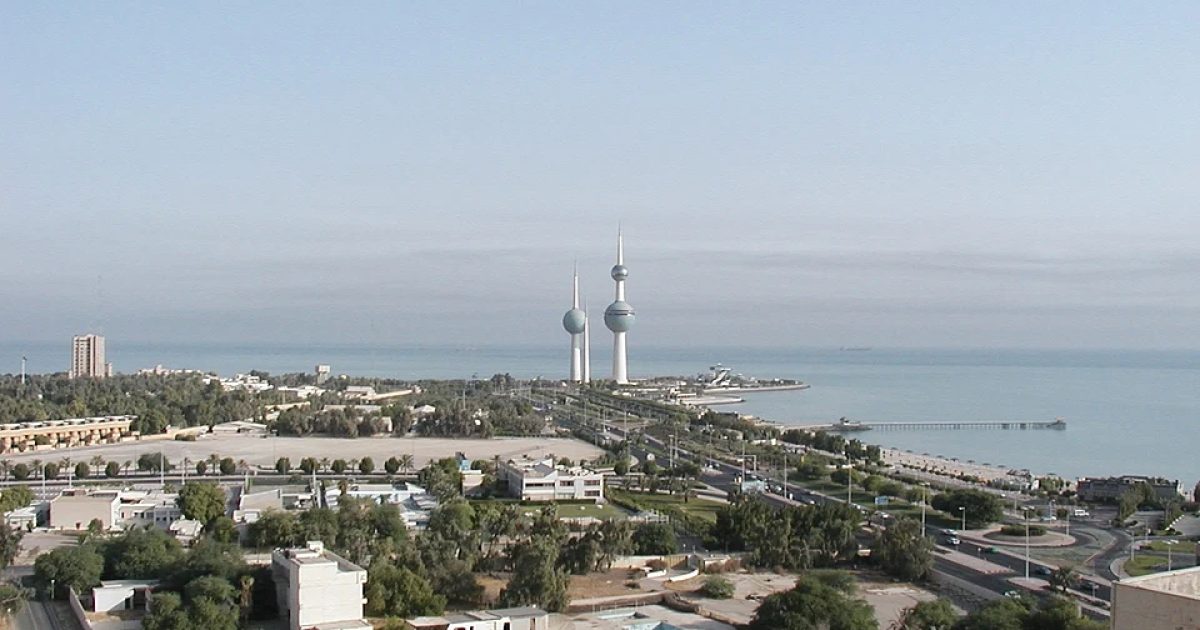
Kuwait's capital market is one of the oldest organized securities markets in the Gulf region, with a history of regulated trading spanning several decades. The market has undergone transformative reforms, most significantly through the enactment of Law No. 7 of 2010 establishing the Capital Markets Authority (CMA) and regulating securities activities, subsequently amended by Law No. 22 of 2015. This article provides a comprehensive overview of the legal and regulatory framework governing Kuwait's capital markets, including the supervisory bodies, trading mechanisms, listing and disclosure requirements, and investor protection measures.
Legislative Framework
The regulation of Kuwait's capital markets rests on several foundational laws and regulations:
- Law No. 7 of 2010 establishing the Capital Markets Authority and regulating securities activities. This is the cornerstone statute that created the CMA as an independent regulatory body and established the general framework for the issuance, trading, and regulation of securities.
- Law No. 22 of 2015 amending Law No. 7 of 2010, which introduced substantial enhancements including strengthened CMA powers, increased penalties for violations, and improved corporate governance requirements for listed companies.
- CMA Executive Bylaws and their successive amendments, containing detailed provisions governing all aspects of securities activities including listing rules, disclosure requirements, licensing, and supervisory procedures.
- Companies Law and corporate governance rules, which complement the capital markets framework with respect to public shareholding companies.
The Capital Markets Authority: Establishment and Powers
The Capital Markets Authority was established under Law No. 7 of 2010 as an independent public authority with its own legal personality, financial independence, and administrative autonomy, operating under the supervision of the Minister of Commerce and Industry. The CMA's core objectives include:
- Regulating securities activities to ensure fairness, competitiveness, and transparency.
- Providing investor protection and reducing systemic risks in the market.
- Implementing full disclosure policies to enhance market confidence.
- Developing the securities market and encouraging investment.
- Combating unlawful practices such as insider trading and market manipulation.
The CMA is governed by a Board of Commissioners appointed by Amiri decree, with broad powers including issuing regulations and directives, imposing administrative sanctions, and referring serious violations to the Public Prosecution. The CMA also holds inspection and investigation authority over all securities-related activities.
Boursa Kuwait: Structure and Operation
Boursa Kuwait is the entity responsible for operating Kuwait's securities exchange. The exchange underwent a historic transformation from a government-owned entity to a privatized joint-stock company, making it one of the first privatized exchanges in the Gulf region.
Boursa Kuwait is organized into tiered markets based on listing criteria:
- Premier Market: Comprises the largest, most liquid companies meeting stringent requirements for market capitalization, turnover ratio, number of shareholders, and advanced governance standards.
- Main Market: Houses listed companies meeting the minimum listing requirements established by the CMA.
- Auction Market: Designated for companies that do not meet Premier or Main Market requirements or face exceptional circumstances, with trading conducted through an auction mechanism.
The exchange monitors daily trading activity, enforces trading rules including circuit breaker mechanisms when price fluctuation limits are exceeded, and ensures fair dealing among market participants.
Kuwait Clearing Company
The Kuwait Clearing Company plays a central role in the capital markets infrastructure, handling clearing, settlement, and central depository functions. It acts as a central counterparty guaranteeing the completion of trades, maintains electronic ownership records, and provides services including securities ownership transfers and the distribution of cash dividends and bonus shares to shareholders.
Types of Traded Securities
Kuwait's capital market accommodates several types of financial instruments:
- Shares: Equity shares of publicly listed joint-stock companies, the most actively traded instruments.
- Bonds and Sukuk: Conventional debt instruments (bonds) and Sharia-compliant instruments (sukuk) issued by corporations and government entities.
- Investment Fund Units: Units of CMA-licensed investment funds, including exchange-traded funds (ETFs).
- Derivatives: Financial instruments derived from underlying assets, with Boursa Kuwait having launched a derivatives market to provide additional hedging tools.
Listing Requirements
Listing on Boursa Kuwait is subject to detailed requirements set out in the CMA Executive Bylaws, including:
- Initial Public Offerings: Companies seeking their first listing must submit a CMA-approved prospectus containing comprehensive information about the company, its operations, financial condition, and associated investment risks.
- Minimum Capital: A minimum level of paid-up capital and market capitalization corresponding to each market tier.
- Financial Track Record: A specified number of years of audited financial statements demonstrating the company's viability.
- Governance: Compliance with CMA corporate governance rules, including the formation of required board committees and the appointment of independent directors.
Listed companies also carry continuous obligations including periodic and immediate disclosure of material information, and maintaining minimum listing requirements throughout their tenure on the exchange.
Disclosure and Transparency
The disclosure regime is a cornerstone of capital markets regulation and operates at several levels:
- Periodic Disclosure: Listed companies must publish quarterly and annual audited financial statements within deadlines set by the CMA.
- Material Information Disclosure: Immediate disclosure is required for any information that could materially affect a security's price or an investor's decision, such as major contracts, management changes, or significant litigation.
- Insider Disclosures: Board members, executive management, and major shareholders must disclose their holdings and any changes thereto.
- Substantial Ownership Disclosure: Disclosure is mandatory when ownership in a listed company reaches or crosses specified thresholds.
Insider Trading Prohibition and Market Manipulation
Insider trading is among the most serious financial offenses under Kuwaiti law. Any person possessing material non-public information is prohibited from using it for securities trading or from disclosing it to others for that purpose. The prohibition covers all forms of inside information that could materially affect a security's price.
Market manipulation is likewise prohibited in all its forms, including wash trades and sham transactions, dissemination of misleading information or false rumors, collusion among traders to control prices, and the use of fraudulent techniques to artificially influence supply and demand.
Law No. 22 of 2015 imposed enhanced penalties for these offenses, ranging from substantial fines to imprisonment, in addition to the administrative sanctions the CMA may impose such as trading suspensions and deregistration.
Takeover and Acquisition Regulations
The CMA Executive Bylaws contain detailed provisions governing acquisitions of listed companies:
- Mandatory Tender Offers: Any person crossing specified ownership thresholds in a listed company must launch a mandatory tender offer to all shareholders, protecting minority shareholder rights.
- Disclosure of Acquisition Intentions: Prior disclosure of any intent to acquire a controlling stake is required.
- Squeeze-Out Rules: Regulations allow an acquirer who reaches a very high ownership percentage to compel remaining shareholders to sell their shares, subject to defined conditions and safeguards.
- Shareholder Protection: Regulations ensure fair and equal treatment of all shareholders during acquisition processes.
Investment Fund Regulation
Investment funds in Kuwait are regulated by the CMA and include conventional funds, Sharia-compliant (Islamic) funds subject to independent Sharia board oversight, exchange-traded funds (ETFs), and private placements offered to qualified investors. Fund managers must obtain CMA licenses and comply with disclosure rules, risk management standards, and client asset protection requirements.
Licensed Persons Regulation
Any person conducting securities activities must obtain a CMA license. Licensed activities include brokerage (buying and selling securities on behalf of clients), portfolio and investment management, investment advisory services, custody services, and underwriting. The CMA imposes strict requirements on licensed persons including minimum capital, professional competency, professional liability insurance, and internal control systems.
Investor Protection Mechanisms
Kuwait's legal framework provides a comprehensive investor protection system including:
- Investor Protection Fund: A statutory fund to compensate investors harmed in certain circumstances, such as the insolvency of a licensed person.
- Complaint Procedures: Clear mechanisms for receiving, investigating, and acting on investor complaints.
- Client Money Segregation: Licensed persons must segregate client funds from their own assets.
- Transparency: Ensuring that investors have access to sufficient information for informed investment decisions.
Additional Regulatory Dimensions
Several other regulatory areas form part of the overall capital markets framework:
- Corporate Governance Code: The CMA's comprehensive governance rules for listed companies mandate independent board members, specialized board committees (audit, risk, nominations and remuneration), effective internal control and risk management systems, and shareholder participation rights.
- Foreign Investor Participation: Foreign investors, both individuals and institutions, may trade directly on Boursa Kuwait subject to foreign ownership caps specified in each company's articles of association. Kuwait's inclusion in major global indices such as MSCI and FTSE has attracted significant foreign investment flows.
- Anti-Money Laundering: Capital market participants must comply with Kuwait's AML/CFT laws, implementing customer due diligence, identity verification, source-of-funds checks, and reporting suspicious transactions to the Kuwait Financial Intelligence Unit.
Enforcement and Appeals
The CMA possesses broad enforcement powers including imposing financial penalties, issuing cease-and-desist orders, suspending or revoking licenses, suspending or delisting securities, and referring criminal violations to the Public Prosecution. Persons aggrieved by CMA decisions have the right to appeal before the Court of Appeal within the legally prescribed timeframes, providing an important judicial safeguard.
Practical Guidance
Investors and listed companies should keep several key points in mind:
- Stay updated on regulatory developments issued by the CMA.
- Strictly adhere to disclosure deadlines and financial reporting obligations.
- Verify that brokers and financial advisors hold valid CMA licenses.
- Document all securities-related transactions and dealings.
- Engage specialized legal counsel before undertaking acquisitions, listings, or securities issuances.
Kuwait's capital markets continue to evolve with an increasingly sophisticated regulatory framework that reflects the country's commitment to creating a safe, transparent investment environment aligned with international best practices. If you have questions about any aspect of capital markets regulation or require specialized legal advice on securities matters, the team at Yumnaak Law Firm is ready to provide expert counsel and represent you before the Capital Markets Authority and the competent courts.