The lease contract is one of the most common legal agreements in everyday life in Kuwait, whether for residential or commercial purposes. Kuwaiti law provides a detailed framework governing the rights and obligations of both landlords and tenants. This article outlines the key rules and provisions that apply to lease agreements in Kuwait.
Essential Elements of a Valid Lease
A lease is a contract under which the landlord grants the tenant the right to use a specific property for a defined period in exchange for an agreed rent. For a lease to be legally valid and enforceable, it must contain several essential elements:
- Identification of the property: A clear description of the leased premises, including location, area, and permitted use.
- Agreed rent: The rent must be specified and determinable, along with the method and schedule of payment.
- Duration: Whether for a fixed term or linked to the rental payment cycle.
- Legal capacity: Both parties must have the legal capacity to enter into a contract.
Rent Determination and Increase Rules
Rent is determined by mutual agreement at the time the lease is signed. Kuwaiti law pays special attention to the issue of rent increases to protect tenants from arbitrary hikes. The Rent Disputes Committee has jurisdiction over requests to adjust rent — whether an increase sought by the landlord or a reduction sought by the tenant — based on criteria such as prevailing market rates in the area and the condition of the property.
A tenant may also seek a rent reduction if circumstances arise that materially affect the use of the leased property, such as significant changes to the surrounding area or notable deterioration of the building.
Lease Duration and Renewal
A lease may be for a fixed term or an open-ended period. If a fixed-term lease expires without either party requesting its termination, and the tenant remains in the property without objection from the landlord, the lease is deemed to have been tacitly renewed for a similar period under the same terms.
If either party wishes not to renew, they must give the other party sufficient notice before the expiry date, in accordance with the periods prescribed by law or agreed upon in the contract.
Landlord Obligations
The landlord bears several legal obligations toward the tenant, including:
- Delivering the property in a fit condition: The premises must be suitable for the agreed use at the time of handover.
- Structural maintenance: The landlord is responsible for major structural repairs, including foundations, load-bearing walls, roofing, and essential utilities.
- Quiet enjoyment: The landlord must not interfere with the tenant's peaceful use of the property throughout the lease term.
- Latent defects: If a hidden defect is discovered that prevents or diminishes the use of the property, the tenant may seek termination of the lease or a reduction in rent.
Tenant Obligations
In return, the tenant is bound by several duties:
- Paying rent on time: Rent must be paid on the agreed dates without delay.
- Routine maintenance: The tenant is responsible for minor upkeep and repairs arising from normal day-to-day use.
- Using the property for the agreed purpose: The tenant may not change the nature of use without the landlord's written consent.
- Returning the property: At the end of the lease, the property must be returned in the condition it was received, subject to normal wear and tear.
Security Deposits and Subletting
Many lease agreements in Kuwait require the tenant to pay a security deposit at the start of the tenancy. This deposit covers any damage to the property or unpaid rent at the end of the lease. The landlord must return the deposit upon lease termination if there are no grounds for deduction.
As a general rule, the tenant may not sublet the property or assign the lease to a third party without the landlord's written consent, unless the contract provides otherwise. Breaching this restriction may constitute grounds for terminating the lease.
Grounds for Termination and Eviction
A lease may be terminated in several circumstances, including:
- Expiry of the lease term, provided the party seeking non-renewal gives proper notice.
- Material breach by the tenant, such as repeated failure to pay rent on time.
- Using the property for a purpose other than that agreed, or in a manner that causes damage.
- Unauthorized subletting without the landlord's consent.
- The landlord's genuine personal need to occupy the property, subject to legal conditions.
The law requires that a formal notice be served on the tenant before filing an eviction claim, giving the tenant an opportunity to remedy the breach or vacate voluntarily.
The Rent Disputes Committee
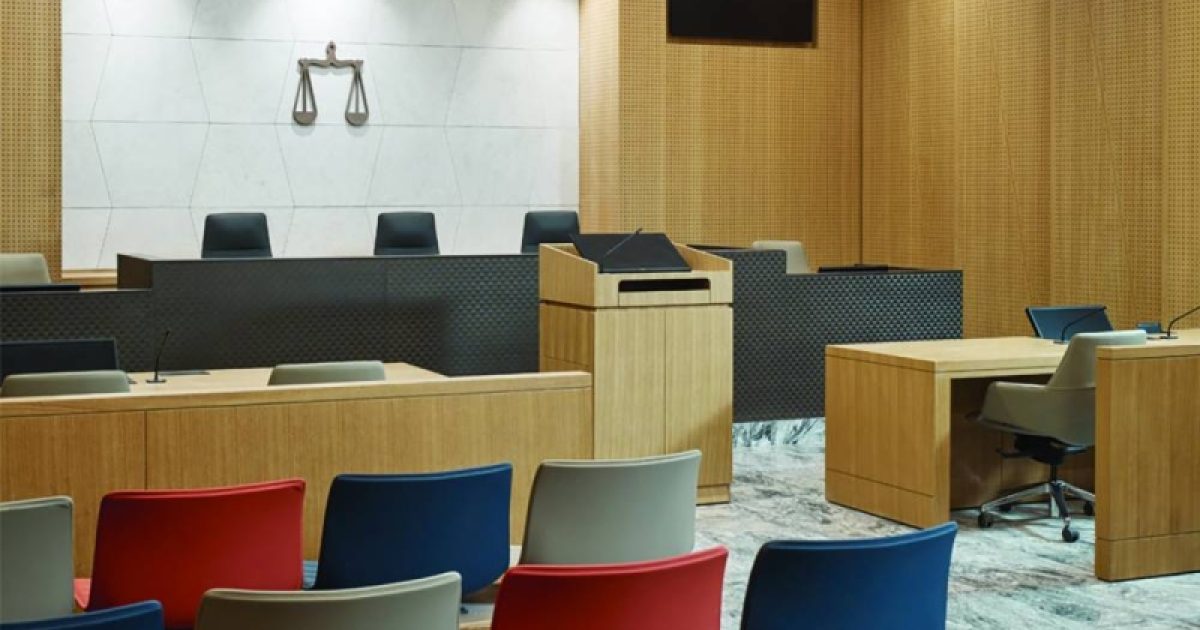
Kuwait has established specialized committees to adjudicate rental disputes. These committees handle matters such as rent adjustments, eviction claims, and compensation requests. Proceedings before these committees are generally faster than ordinary court litigation, providing an efficient mechanism for resolving conflicts between landlords and tenants.
Residential vs. Commercial Leases
Kuwaiti law distinguishes between residential and commercial leases in several respects. Residential tenants tend to enjoy greater legal protection, as the rules governing eviction and rent increases are stricter. Commercial leases allow the parties more contractual freedom, although commercial tenants still benefit from protections against arbitrary termination that could harm their business operations.
Practical Tips for Drafting a Solid Lease
- Put the agreement in writing and register it with the relevant authorities to protect both parties.
- Describe the property in detail, including its condition at handover.
- Clearly specify the rent amount, payment method, and due dates.
- Expressly allocate maintenance responsibilities between landlord and tenant.
- Set out renewal, termination, and notice provisions clearly.
- Include terms on the security deposit and how it will be returned.
- State the position on subletting explicitly.
Navigating a lease relationship in Kuwait requires a solid understanding of each party's legal rights and obligations. If you need legal advice on a lease agreement or a rental dispute, the team at Yumnaak Law Firm is ready to provide specialized legal support and help protect your interests.