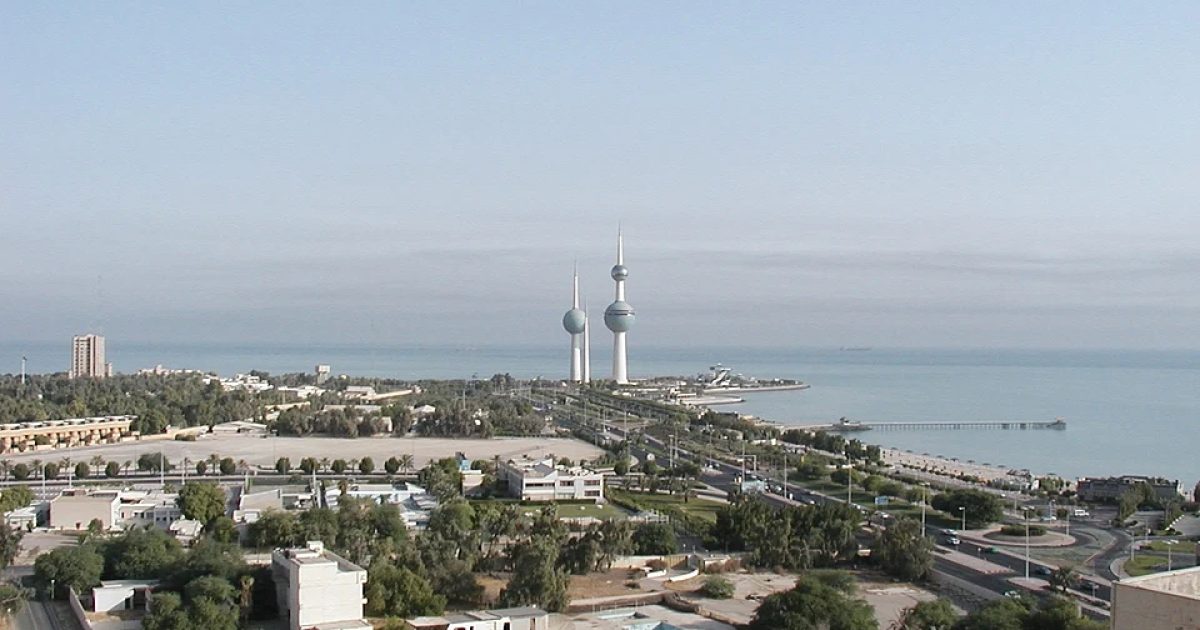
Kuwait is a country where foreign residents form the majority of the population — and Decree-Law No. 17 of 1959 on Foreigners' Residency (as amended) regulates their entry, stay, departure, and deportation.
Sponsorship system: a foreigner in Kuwait is linked to a sponsor (employer or individual) responsible for their residency — this system is under review and development.
Contents
1) Visa Types
Entry visas
- Visit: for a specified period (one to three months) — usually non-renewable.
- Work: linked to an employment contract and sponsor — the basis for obtaining residency.
- Family joining: for the resident's family members (spouse, children, parents).
- Business: for business people and traders for a short period.
Special visas
- Diplomatic: for diplomats and their families.
- Student: for students accepted at educational institutions.
- Medical: for medical treatment purposes.
- Government: for those recruited by government entities.
2) Residency Conditions
- Sponsor: a Kuwaiti sponsor or licensed company responsible for the resident.
- Employment contract: a valid employment contract attested by the Ministry of Social Affairs.
- Medical examination: passing a comprehensive medical examination (free of infectious diseases).
- Health insurance: valid health insurance coverage.
- Renewal: residency is renewed annually or biannually — before expiry.
Age limits: work residency is not granted to those under 18 or over 60 (with specified exceptions).
3) Residency (Sponsorship) Transfer
- Sponsor's consent: transfer generally requires the current sponsor's consent.
- Exceptions: transfer without consent is permitted in specific cases — such as a judgment in the worker's favour or contract expiry.
- Procedure: an application is filed with the General Department of Residency Affairs with the required documents.
- Restriction: transfer is not permitted during the first year of arrival (restricted period).
4) Violations and Penalties
Common violations
- Overstaying the residency period.
- Working for someone other than the sponsor.
- Failing to renew residency on time.
- Entering on a visa inconsistent with the purpose.
Penalties
- Daily fine for each day of overstay.
- Imprisonment for unauthorised employment.
- Deportation with temporary or permanent entry ban.
- Penalising sponsors who trade in visas.
5) Deportation
- Administrative deportation: a decision by the Minister of Interior to deport a foreigner — for reasons related to security, public order, or morality.
- Judicial deportation: a court judgment ordering deportation as an ancillary or supplementary penalty.
- Entry ban: deportation may be coupled with a temporary or permanent entry ban.
- Execution: deportation is executed by removing the foreigner at their expense or their sponsor's.
Challenge: administrative deportation may be challenged before the Administrative Division of the Court of Appeal — judicial deportation is challenged with the criminal judgment.
6) Resident's Rights
- Legal protection: residents enjoy the protection of Kuwaiti law — including the right to litigate.
- Employment rights: workers' rights are guaranteed under the Labour Law — regardless of nationality.
- Social security: right to work-injury compensation and health insurance.
- Freedom of movement: freedom of movement within Kuwait — with civil ID.
7) Special Cases
- Bidoon: illegal residents (stateless persons) — subject to special treatment by the Central Agency.
- Investor: foreign-investor residency is granted under the Foreign Investment Law.
- Retiree: special residency for pensioners who have spent long years in Kuwait.
- Humanitarian cases: exceptional residencies may be granted for humanitarian cases by the Minister of Interior.
8) Practical Guidance
For the resident
- Renew your residency well before expiry.
- Do not work for anyone other than your sponsor without a formal transfer.
- Keep copies of your employment contract and residency.
- Consult a lawyer immediately upon a deportation order.
For the sponsor
- Renew your dependants' residencies on time.
- Do not trade in visas — the penalty is severe.
- Register employment contracts with official authorities.
- Report a dependant's final departure to clear your liability.
Residency problem, deportation order, or sponsorship transfer? Contact Attorney Meshari Obaid Al-Enezi — Yumnaak Law Firm.