Kuwait's Juveniles Law No. 111 of 2015 represents a landmark piece of legislation reflecting the state's commitment to protecting children and young people who come into contact with the law. Rooted in the philosophy that juveniles in conflict with the law need care and rehabilitation rather than punishment, this law aligns with international standards — particularly the United Nations Convention on the Rights of the Child (CRC), which Kuwait has ratified. This article provides a comprehensive overview of Kuwait's juvenile justice framework, the rights it guarantees, and its practical implications for families and legal practitioners.
Legal Framework and Definition of a Juvenile
The Juveniles Law No. 111 of 2015 governs all matters relating to persons under the age of eighteen at the time of committing an offense or being found in a situation of vulnerability. It replaced earlier legislation with a more comprehensive and rights-oriented approach to juvenile justice.
Under this law, a juvenile (الحدث) is defined as any person who has not yet reached the age of eighteen at the time of committing the act or being found in a state of risk. Age is determined based on official documents, and where these are unavailable, the matter is referred to a competent medical authority for age assessment.
Age Categories and Criminal Responsibility
Kuwaiti law, through the Juveniles Law and the Penal Code, establishes a graduated system of criminal responsibility that accounts for the mental and psychological maturity of the child:
- Under 7 years of age: No criminal responsibility whatsoever. The child is considered incapable of forming criminal intent. Only welfare and social care measures may be applied if the child's safety requires it.
- 7 to under 15 years of age: Reduced criminal responsibility. No conventional criminal penalties are imposed. Instead, the court applies reformatory and rehabilitative measures aimed at correcting behavior and reintegrating the juvenile — such as reprimand, judicial probation, placement in care institutions, or vocational training.
- 15 to under 18 years of age: Full criminal responsibility, but with mandatory sentence reductions. The law explicitly prohibits the death penalty and life imprisonment for juveniles regardless of the severity of the offense, substituting them with lesser sentences as specified by law.
Juvenile Delinquent vs. Juvenile at Risk
The law distinguishes between two categories of juveniles:
Juvenile Delinquent: A juvenile who commits an act classified as a crime under the Penal Code or any other penal legislation. The legal response varies based on the juvenile's age category.
Juvenile at Risk (Exposed to Danger): A juvenile found in circumstances that threaten their well-being or risk leading them toward delinquency. The law specifies situations of risk, including:
- Being in an environment that endangers the juvenile's moral, psychological, or physical safety.
- Suffering neglect, cruelty, or exploitation by parents or guardians.
- Homelessness, begging, or involvement in immoral activities.
- Associating with known offenders or persons of ill repute.
- Habitual truancy from home, care institutions, or school.
For juveniles at risk, the court orders preventive and welfare measures — not punitive ones — aimed at removing them from danger and securing a safe environment.
Juvenile Court: Jurisdiction and Composition
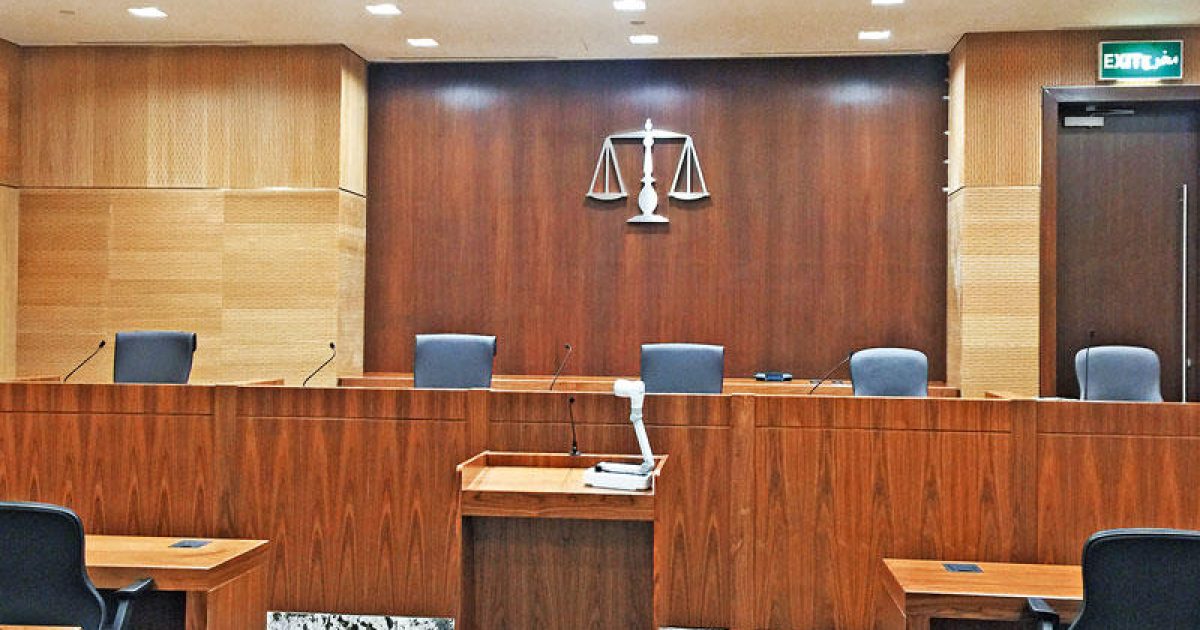
Kuwait has established a specialized Juvenile Court with exclusive jurisdiction over cases involving juvenile delinquents and juveniles at risk. Key features include:
- Sessions are held in premises separate from regular criminal courts and conducted in camera (closed sessions) to protect the juvenile's privacy.
- A social worker or psychologist must be present during proceedings to provide a report on the juvenile's social, psychological, and family circumstances.
- The court may exclude the juvenile from certain proceedings if it deems this to be in the juvenile's best interest.
- Juvenile prosecution handles all investigations involving juveniles, with special procedural safeguards.
Investigation, Arrest, and Detention Procedures
The law imposes strict safeguards for procedures involving juveniles:
- Arrest: A juvenile may only be arrested or detained in circumstances permitted by law, and the parent or guardian must be notified immediately.
- Investigation: The juvenile prosecution conducts investigations in the presence of the parent or guardian and the juvenile's attorney, in an appropriate setting away from adult detention facilities.
- Pre-trial detention: Detention before trial is a measure of last resort. Juveniles must not be held in adult facilities but rather in designated observation homes. The investigating authority may release the juvenile to a parent or place them in a care institution instead.
- Alternatives to detention: The law encourages alternatives such as release to a parent with a written undertaking, or placement in a social welfare institution.
Rights of Juvenile Suspects and Defendants
The Juveniles Law guarantees rights that in many respects exceed those afforded to adults:
- Legal representation: Every juvenile must have an attorney at all stages of investigation and trial. If the juvenile cannot afford one, the court appoints counsel at the state's expense.
- Parental notification: The juvenile's parent or guardian must be informed immediately upon arrest or the initiation of any legal proceedings.
- Privacy protection: Publishing the juvenile's name, photograph, or any identifying information is strictly prohibited and punishable by law.
- Closed proceedings: Only parties to the case, attorneys, social workers, and persons authorized by the court may attend hearings.
- Humane treatment: Any form of torture, cruel treatment, or degrading treatment is prohibited, and the juvenile's age and psychological state must be taken into account at every stage.
Reformatory Measures for Juveniles Under 15
For juveniles under fifteen found to have committed a criminal act, the court does not impose criminal penalties but instead orders one or more of the following measures:
- Reprimand: A formal admonishment in court to deter repetition.
- Delivery to a guardian: Release to a parent, guardian, or trusted person who undertakes to provide proper care and upbringing.
- Judicial probation: Supervision by a probation officer for a specified period, who monitors the juvenile's behavior and compliance, submitting periodic reports to the court.
- Mandatory obligations: Enrollment in educational, rehabilitative, vocational training, or community service programs.
- Institutional placement: Placement in a social care home or juvenile reform institution for a period determined by law.
- Vocational training: Enrollment in a vocational training center to learn a trade or skill.
The court may modify or replace measures based on follow-up reports and the juvenile's best interest.
Reduced Penalties for Juveniles Aged 15–18
Juveniles who have reached fifteen but not yet eighteen are subject to a mandatory sentencing reduction regime:
- No death penalty or life imprisonment: These sentences are absolutely prohibited for juveniles and must be replaced with fixed-term imprisonment within the limits set by law.
- Mandatory sentence reduction: Custodial sentences are reduced according to statutory ratios.
- Substitution with measures: The court may, in appropriate cases, substitute a criminal penalty with a reformatory measure if this better serves the juvenile's rehabilitation.
- Specialized facilities: Any custodial sentence must be served in juvenile-specific institutions completely separate from adult prisons.
Detention Facilities and Conditions
The law sets clear standards for juvenile detention and care facilities:
- Complete separation of juveniles from adults at all stages of detention and sentence execution.
- Separation of male and female juveniles.
- Provision of educational, rehabilitative, and vocational training programs.
- Access to adequate healthcare and psychological support.
- An environment conducive to rehabilitation rather than punishment.
- Supervision by specialists in social work, psychology, and education.
Role of Social Workers and Probation Officers
Social workers and probation officers are central to Kuwait's juvenile justice system:
- Social workers prepare comprehensive reports on the juvenile's background, family circumstances, and the context of the offense.
- Probation officers monitor juveniles on judicial probation and file regular progress reports.
- Both participate in court proceedings and make recommendations on appropriate measures.
- They contribute to rehabilitation programs and post-measure follow-up.
Juvenile Records and Rehabilitation
The law safeguards the juvenile's future by limiting the impact of a juvenile record:
- Juvenile records are treated with strict confidentiality and accessible only to authorized bodies with judicial permission.
- Juvenile convictions are not treated as criminal precedents once the person reaches adulthood, giving them a fresh start.
- Records may be expunged after a specified period of good conduct.
Parental Responsibility and Liability
The law extends accountability to parents and guardians:
- Parents may be held civilly liable for damages caused by the juvenile, under the rules of vicarious liability in the Civil Code.
- Courts may impose obligations on parents, such as supervising the juvenile and ensuring school attendance.
- Parents may face accountability if their neglect or mistreatment contributed to the juvenile's delinquency or exposure to risk.
- Inciting a juvenile to commit a crime or exploiting a juvenile in criminal activities constitutes an aggravating circumstance for the adult offender.
School-Related Offenses and Cyberbullying
School-related offenses — including assault, bullying, and theft in the school environment — are handled under the Juveniles Law with coordination between the Ministry of Education, security agencies, and the judiciary to protect both the juvenile offender and the victim.
Cyberbullying and online offenses by juveniles — such as harassment on social media, online extortion, or publishing harmful content — fall under both the Juveniles Law and the Cybercrime Law. The juvenile's age and level of awareness are considered when determining the appropriate measure or penalty.
Protection of Juvenile Victims and Witnesses
The law also provides special protection for juveniles who are victims or witnesses in criminal proceedings:
- Testimony is taken in a child-friendly environment using age-appropriate methods.
- Psychologists may assist when interviewing juvenile victims.
- Direct confrontation between the juvenile victim and the accused may be avoided where it could cause psychological harm.
- The same privacy and non-publication rules apply to juvenile victims and witnesses.
Reintegration Programs and International Compliance
Kuwait is committed to providing reintegration programs for juveniles after the completion of measures or sentences, including:
- Continuing education and vocational training to foster self-reliance.
- Post-release supervision by probation officers and social workers.
- Psychological and family support for social reintegration.
- Coordination with educational institutions and employers to facilitate the juvenile's return to normal life.
Kuwait's Juveniles Law is broadly aligned with international juvenile justice standards, including the Convention on the Rights of the Child, the United Nations Standard Minimum Rules for the Administration of Juvenile Justice (Beijing Rules), and the Riyadh Guidelines for the prevention of juvenile delinquency. Kuwait continues to develop its legislative and institutional framework in this area in response to international recommendations.
Practical Guidance for Parents and Juvenile Defenders
If a juvenile faces a legal situation, we advise the following:
- For parents: Contact a lawyer specializing in juvenile cases immediately. Do not give statements to the authorities on behalf of the juvenile without legal advice. Attend all stages of investigation and trial. Cooperate with social workers to ensure the best outcome for your child.
- For lawyers: Verify the juvenile's age through official documents. Request and review the social investigation report. Assert all procedural safeguards specific to juveniles. Advocate for reformatory measures over custodial sentences wherever possible.
Kuwait's juvenile justice system reflects an advanced legislative awareness of the importance of balancing community protection with the care and rehabilitation of young people. At Yumnaak Law Firm, we have extensive experience handling juvenile cases of all types — whether the juvenile is a delinquent, at risk, or a victim — and we always strive to achieve the best legal outcomes while keeping the juvenile's best interest at the forefront. Do not hesitate to contact us for specialized legal consultation.