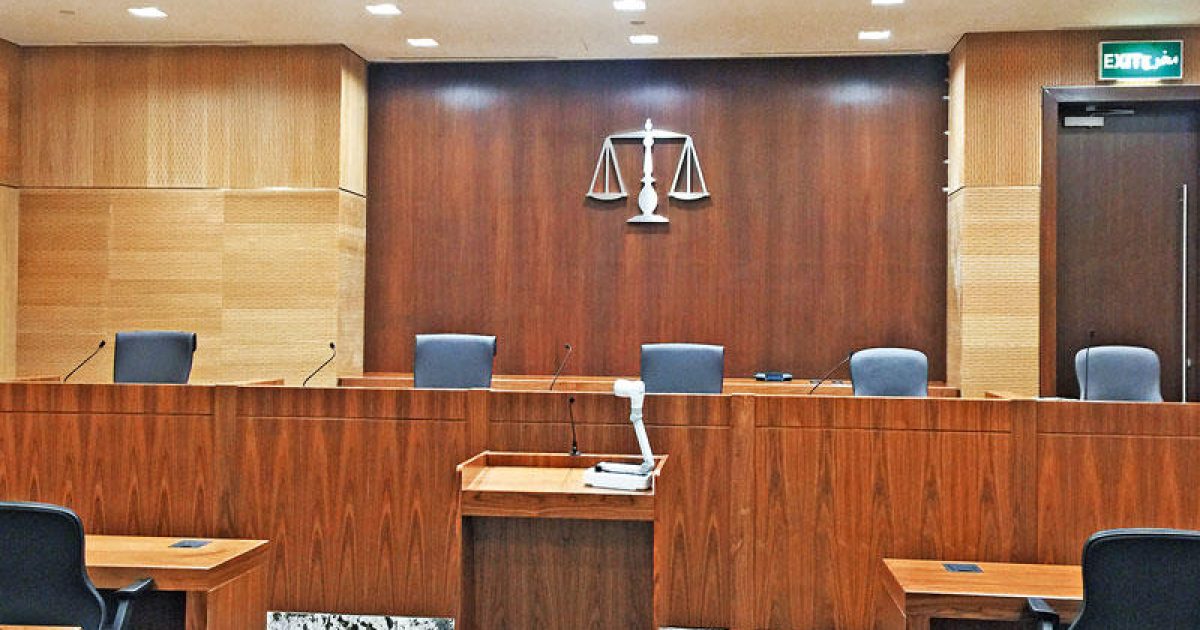
Law No. 111 of 2015 on Juveniles is one of Kuwait's most significant legislative achievements in the field of child protection and criminal justice reform. Replacing earlier, fragmented provisions, this law establishes a unified framework aligned with international standards for children's rights. Its core philosophy is rehabilitation over punishment — recognizing that young offenders deserve a justice system designed to reform, not merely penalize.
This article provides a general overview of the key provisions of Kuwait's Juvenile Justice Law, including the definition of a juvenile, the specialized court procedures, alternative sanctions, parental responsibility, and the safeguards that protect juvenile offenders throughout the legal process.
Definition of a Juvenile and Age Brackets
Under Kuwaiti law, a juvenile (الحدث) is any person who has not reached the age of eighteen at the time of the alleged offense or at the time they are found to be at risk of delinquency. The law distinguishes between several age brackets that determine the level of criminal responsibility:
- Under seven years of age: A child below seven cannot be prosecuted and bears no criminal responsibility whatsoever.
- Seven to under fifteen years: Juveniles in this bracket cannot receive the penalties prescribed for adults. Only reformative and rehabilitative measures may be imposed.
- Fifteen to under eighteen years: Juveniles may be tried, but penalties must be mandatorily reduced compared to those for adults, and alternative measures may be substituted for imprisonment.
The Juvenile Court and Its Specialized Procedures
The law establishes a dedicated juvenile court that differs substantially from ordinary criminal courts in both composition and procedure. Key features include:
- Hearings are held in private to protect the juvenile's privacy and dignity. Only the parties to the case and authorized professionals may attend.
- The juvenile's parent or guardian must be present at all proceedings. The court may compel attendance if the guardian fails to appear.
- Every juvenile is entitled to legal representation at all stages. If the juvenile does not have a lawyer, the court must appoint one at the state's expense.
- The court is required to obtain social and psychological reports from specialized social workers before rendering its decision, assessing the juvenile's personal circumstances, family environment, and social background.
Alternatives to Imprisonment and Rehabilitative Measures
One of the most progressive aspects of Kuwait's juvenile justice framework is its emphasis on rehabilitation over incarceration. The law provides a range of alternative measures, including:
- Reprimand: A formal admonition delivered to the juvenile in court to impress upon them the seriousness of their conduct.
- Delivery to a guardian: Placing the juvenile in the custody of a parent, guardian, or another trustworthy person who undertakes to provide proper care and supervision.
- Vocational training: Enrolling the juvenile in an accredited vocational training program.
- Behavioral obligations: Imposing specific conditions such as curfews or restrictions on visiting certain locations.
- Judicial probation: Placing the juvenile under the supervision of a social worker for a defined period during which their behavior is monitored.
- Placement in care institutions: Placing the juvenile in a social care home or a specialized health facility when necessary.
Placement in a correctional institution is treated as a last resort, reserved for serious offenses, and must be reviewed periodically.
Parental Responsibility and the Role of Social Workers
The law places direct responsibility on parents and guardians when a juvenile offends or is at risk of delinquency. The court may order a parent or guardian to undergo rehabilitative programs and may impose fines where negligence or failure of supervision is established.
Social workers play a central role in Kuwait's juvenile justice system. Before trial, they conduct comprehensive social investigations into the juvenile's circumstances, family dynamics, and environment. Their recommendations are submitted to the court and carry significant weight in sentencing decisions. After a ruling is issued, social workers oversee the implementation of court-ordered measures and monitor the juvenile during probation periods.
Protection of At-Risk Juveniles and Confidentiality of Records
The law does not only address juveniles who have committed offenses — it also extends to those at risk of delinquency. A juvenile is considered at risk if they are found in an environment that threatens their physical, psychological, or moral well-being, such as cases involving vagrancy, begging, or association with known offenders. In such situations, preventive measures may be taken without waiting for an offense to occur.
Confidentiality is a cornerstone of the juvenile justice system. All investigation and trial proceedings involving juveniles are strictly confidential. Publishing any information that could reveal a juvenile's identity — whether in the media or otherwise — is prohibited. Access to juvenile records is restricted and requires authorization from the competent authority. These measures aim to shield juveniles from social stigma and facilitate their reintegration into society.
How Juvenile Proceedings Differ from Adult Criminal Trials
Juvenile proceedings differ from adult criminal trials in several fundamental ways:
- Purpose: Juvenile proceedings prioritize rehabilitation and reintegration, whereas adult criminal trials focus primarily on deterrence and punishment.
- Privacy: Juvenile hearings are mandatorily held in private, while adult criminal trials are generally open to the public.
- Sentencing: The death penalty and life imprisonment may not be imposed on juveniles, and all other penalties must be mandatorily reduced.
- Legal representation: A juvenile is guaranteed a lawyer by operation of law, whereas in some adult misdemeanor cases this may not be compulsory.
- Post-sentence follow-up: Juveniles are subject to social supervision after sentencing — a feature not available in the same form for adult convicts.
Conclusion
Law No. 111 of 2015 represents a significant advancement in Kuwait's justice system, embedding principles of humane treatment and child welfare into the criminal process. Navigating juvenile cases requires specialized legal expertise due to the unique procedures, the range of available measures, and the heightened protections that the law affords to young offenders.
If you need legal advice regarding a juvenile case or wish to understand the rights of juveniles and their guardians under Kuwaiti law, the team at Yumnaak Law Firm is ready to provide specialized counsel and representation before the juvenile court, ensuring that the rights of all parties are protected and the best interests of the child are served.