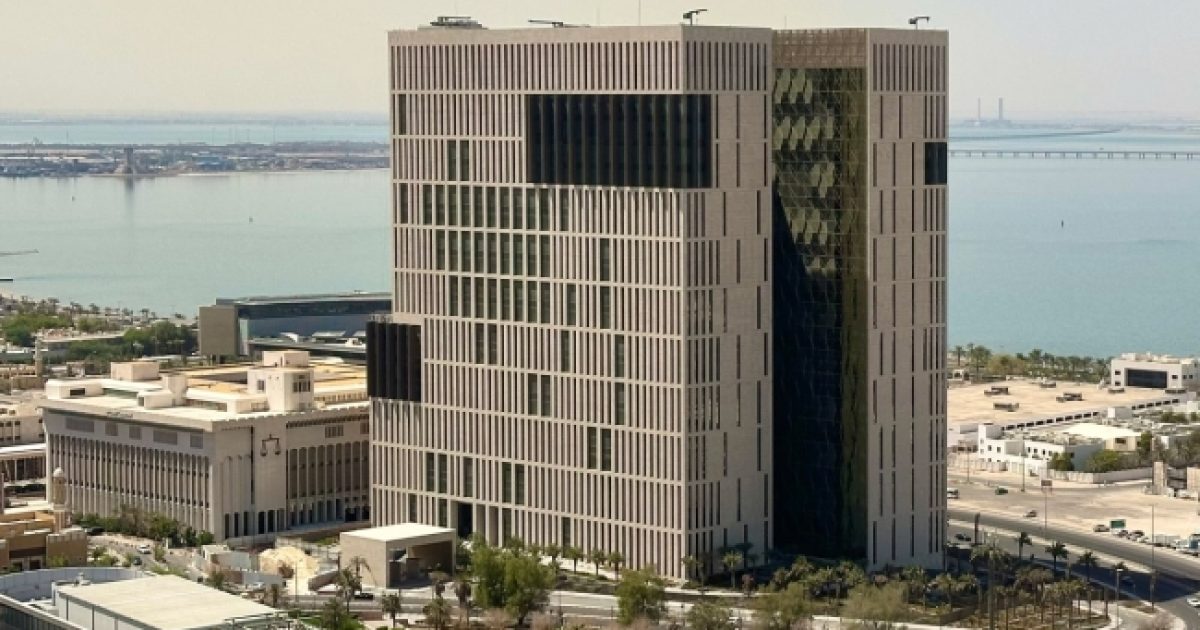
Kuwait's social insurance system is one of the oldest social protection frameworks in the Gulf region. Administered by the Public Institution for Social Security (PIFSS), it aims to provide Kuwaiti citizens with financial security after retirement and protection in cases of disability or death. This article provides a comprehensive overview of the key provisions of Kuwait's Social Insurance Law and the retirement rights of Kuwaiti employees.
The Public Institution for Social Security and Coverage Scope
The PIFSS is the government body responsible for administering Kuwait's social insurance system. Mandatory coverage extends to all Kuwaiti nationals employed in both the public and private sectors. Employers are legally obligated to register their Kuwaiti employees with the PIFSS from the commencement of employment.
Optional (voluntary) coverage is available to certain categories, including:
- Self-employed Kuwaiti nationals and professionals working independently.
- Kuwaiti nationals employed abroad who wish to maintain their coverage.
- Non-working Kuwaiti housewives, subject to conditions set by the PIFSS.
Failure by an employer to register an employee or delays in registration may result in legal liability and financial penalties.
Contribution Rates
The social insurance system is funded through monthly contributions shared between the employee and the employer. These contributions are calculated based on the insurable salary, which includes the basic salary and specified allowances, up to a ceiling determined by the PIFSS. The employer bears the larger share of contributions, while a defined percentage is deducted from the employee's monthly salary.
Employers must remit contributions on time to avoid late-payment surcharges. Employees should periodically verify that contributions are being calculated based on their actual salary, as some employers may underreport wages to reduce costs — a practice that can significantly reduce the eventual pension amount.
Retirement Age and Early Retirement
The law sets a standard retirement age for full pension eligibility, with provisions for early retirement under certain conditions. The retirement age differs for men and women, with Kuwaiti women entitled to certain additional benefits.
Early retirement generally requires completing a minimum period of service specified by law, in addition to reaching a certain age. Key considerations for early retirement include:
- The potential reduction in the monthly pension amount due to early retirement deductions.
- The option to purchase additional notional service years to improve the pension.
- The ability to combine service periods from different employers or sectors.
Pension Calculation
The retirement pension is calculated using a formula based on several factors: the average insurable salary over a specified period of the final years of service, and the total number of actual and notional service years. The average salary is multiplied by a percentage for each year of service to arrive at the monthly pension amount.
The law establishes both a maximum pension ceiling and a minimum pension floor to ensure a decent standard of living for retirees. Periodic increases may also be granted by the state to keep pace with the cost of living.
End-of-Service Benefits vs. Pension
It is important to distinguish between end-of-service benefits under Kuwait's Labour Law and the retirement pension from the PIFSS. End-of-service benefits are payable to both Kuwaiti and non-Kuwaiti employees upon termination of employment, calculated according to labour law provisions. The retirement pension, however, is exclusive to Kuwaiti nationals enrolled in the social insurance system.
If a Kuwaiti employee does not meet the minimum service requirements for a pension, they may instead receive a lump-sum gratuity calculated differently from the labour law end-of-service benefit.
Disability Pension and Survivor Benefits
The social insurance system provides protection for employees and their families in cases of disability and death:
- Disability Pension: An insured person who is certified as totally disabled — whether due to a work-related or non-work-related cause — is entitled to a disability pension, as determined by the competent medical committee.
- Survivor Benefits: Upon the death of a pensioner or insured person, the pension is distributed among eligible dependants according to shares defined by law. Eligible dependants typically include the widow or widows, sons and daughters, parents, and in some cases siblings under specific conditions.
Each category of dependant is assigned a defined share, with minimum thresholds. A dependant's share may be terminated upon marriage (for females), reaching a certain age (for males), or obtaining sufficient employment income.
Supplementary Insurance and Purchasing Additional Service Years
Kuwait's legislation provides a supplementary insurance scheme that allows insured persons to receive additional benefits beyond the basic pension. This scheme is funded by extra contributions from both the employee and the employer.
The law also permits purchasing notional service years, a mechanism that allows an insured person to add hypothetical years to their service record in exchange for a financial payment determined by the PIFSS. This option can be useful for:
- Improving the pension amount by increasing the total years of credited service.
- Meeting the minimum service requirement for early retirement eligibility.
- Compensating for career gaps or periods of employment not covered by the system.
A careful cost-benefit analysis is recommended before purchasing additional years, as the cost can be substantial and may not always be worthwhile.
Common Pension Disputes
Several types of disputes commonly arise between insured persons and the PIFSS, including:
- Pension denial appeals: Where the PIFSS refuses to grant a pension due to alleged non-fulfilment of conditions, and the affected person challenges this before the courts.
- Disagreements over pension value: Often arising from under-reported insurable salaries or the exclusion of certain allowances from the calculation.
- Service period consolidation disputes: Particularly when transferring between public and private sectors, or when requesting to add prior service for which contributions were not paid at the time.
- Survivor benefit distribution: Disputes over identifying eligible dependants and their shares, especially in cases of multiple marriages or children from different unions.
- Medical committee decisions: Challenges to disability assessments and the degree of incapacity determined by the medical panel.
In all such cases, the insured person or their dependants may first file an administrative grievance with the PIFSS, and if unresolved, pursue the matter before the competent courts.
Conclusion
Understanding your pension rights under Kuwait's Social Insurance Law is essential for ensuring long-term financial security after retirement. Given the complexity of the legislation and its numerous amendments, navigating these rights without professional legal guidance can be challenging.
If you are facing an issue related to your pension, social insurance contributions, or retirement planning, the team at Yumnaak Law Firm is ready to provide specialized legal counsel and help you protect your insurance and retirement entitlements.