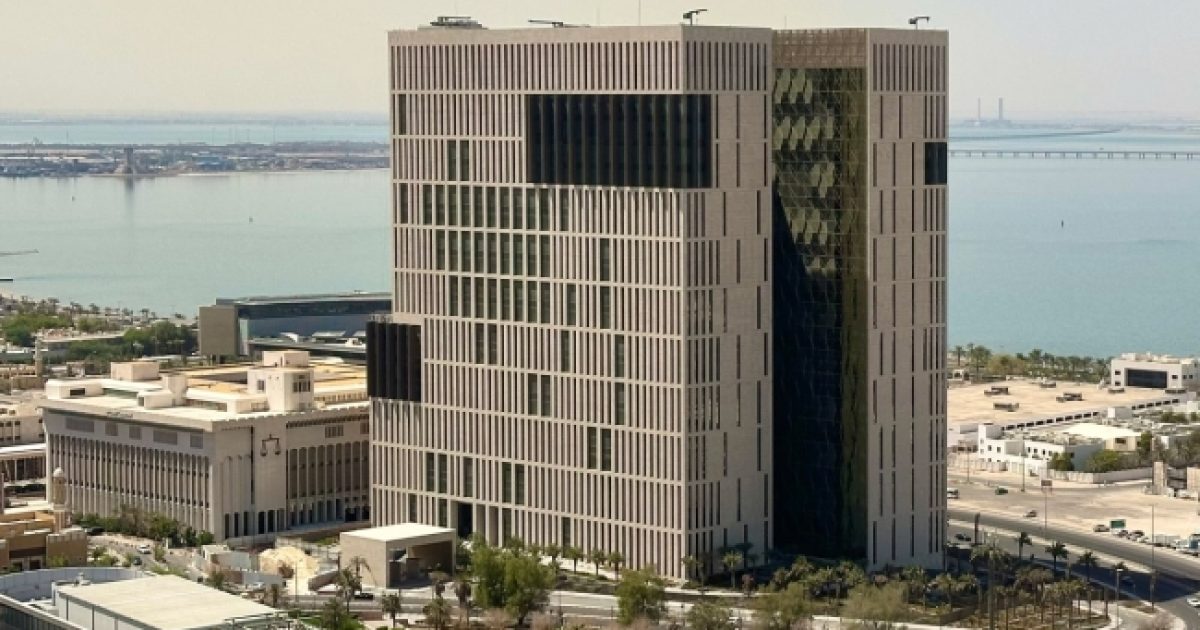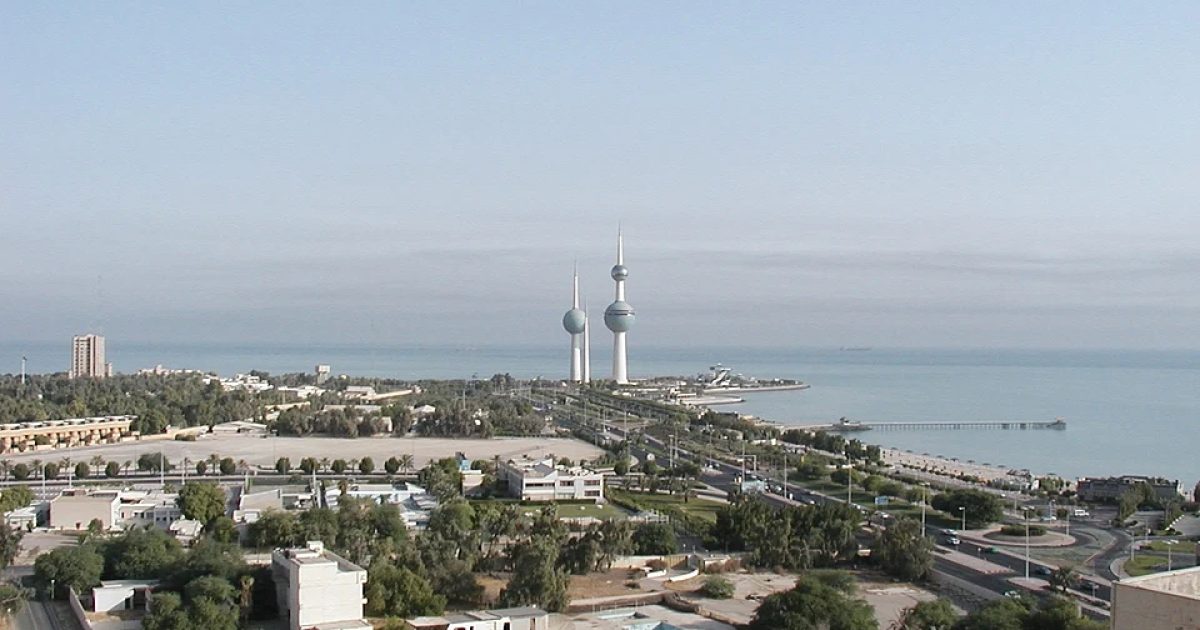
The real estate sector is one of the most important pillars of Kuwait's national economy, intertwining financial, social, and regulatory interests in ways that make understanding the legal framework essential for anyone entering this market. Kuwait's real estate system is governed by several key pieces of legislation, most notably Civil Code No. 67 of 1980, the Real Estate Registration Law, and various regulations issued by Kuwait Municipality and the Capital Markets Authority relating to real estate investment.
This article provides a comprehensive overview of the main aspects of real estate law in Kuwait, from types of property ownership and the registration system, through sale contracts and real estate financing, to property disputes and jurisdictional rules, along with practical tips for conducting safe property transactions.
Types of Property Ownership in Kuwait
Kuwaiti law distinguishes between several types of real estate based on their designated use and classification:
- Private Residential (Sakn Khass): Properties designated for the personal residence of Kuwaiti citizens and their families. These are subject to strict ownership, construction, and transfer restrictions — only Kuwaiti nationals may own them.
- Investment Residential (Sakn Istithmari): Properties designed for rental purposes, typically consisting of apartment buildings. Non-Kuwaitis may own these under specific conditions.
- Commercial Properties: Shops, offices, and commercial complexes, governed by municipal regulations regarding building heights, areas, and permitted uses.
- Industrial and Craft Properties: Allocated for industrial activities and workshops, usually situated in designated industrial zones.
- Agricultural Properties: Located outside urban areas and subject to special agricultural land regulations.
This classification carries significant legal consequences, as ownership conditions, building regulations, transfer rules, and applicable fees differ depending on the property type.
The Real Estate Registration System
Kuwait's real estate system operates on the principle of title registration (al-tasjeel al-ayni), meaning that property rights are neither created nor transferred except through registration in the real estate register maintained by the Real Estate Registration and Authentication Department at the Ministry of Justice. A sale contract between the parties — no matter how well documented — does not transfer ownership until it is officially registered.
The Real Estate Registration and Authentication Department performs several critical functions:
- Recording all property transactions including sales, gifts, mortgages, and inheritances.
- Issuing title deeds that serve as the official proof of property rights.
- Maintaining property records and cadastral maps.
- Verifying that properties are free from liens, mortgages, and encumbrances before any transaction.
- Authenticating long-term leases and other real rights such as usufruct and easements.
No property transaction may be asserted against third parties unless it has been registered, giving the registration system strong legal authority and protecting the rights of all parties.
Sale Contract Requirements and Formalities
A real estate sale contract in Kuwaiti law is a formal contract, meaning that the mere agreement between buyer and seller is insufficient — specific formalities must be fulfilled:
- Legal capacity: Both parties must have full legal capacity to enter into the transaction.
- Property identification: The property must be precisely described, including the plot number, area designation, block, and measured area.
- Price: The purchase price must be specified, known, and genuine, and must be expressly stated in the contract.
- Clearance certificate: A certificate confirming that the property is free from outstanding financial obligations must be obtained.
- Official registration: The contract must be submitted to the Real Estate Registration Department for registration and issuance of a new title deed in the buyer's name.
- Fees: Registration fees, typically calculated as a percentage of the registered property value, must be paid.
It is always advisable to engage a lawyer specialising in real estate matters to review the contract terms and ensure all procedures are properly completed before signing.
Ownership Restrictions for Non-Kuwaitis
Kuwaiti law imposes clear restrictions on property ownership by non-Kuwaitis, varying by property type and the nationality of the prospective owner:
- Private residential: Non-Kuwaitis are generally prohibited from owning private residential properties. This prohibition extends to GCC nationals, though special exemptions may be granted by specific decisions.
- Investment and commercial: GCC nationals may own investment and commercial properties subject to reciprocity conditions and applicable regulations.
- Foreign companies: Foreign companies may own property necessary for their licensed activities, provided they obtain the required approvals from competent authorities.
These restrictions aim to protect the national real estate wealth and ensure adequate housing for Kuwaiti citizens.
Real Estate Development and Off-Plan Sales
Kuwait's real estate development sector has experienced significant growth in recent years, with off-plan sales becoming increasingly common. The Kuwaiti legislature has sought to regulate this type of sale to protect buyers' rights through measures including:
- Requiring developers to obtain necessary licences and provide adequate financial guarantees.
- Mandating that buyer funds be deposited in designated escrow accounts, released only according to specified completion milestones.
- Obligating developers to adhere to agreed-upon specifications and timelines.
- Granting buyers the right to rescind the contract and recover their funds in cases of material breach.
Buyers considering off-plan purchases should carefully verify the developer's reputation, track record, and the validity of all licences and guarantees.
Mortgage and Real Estate Financing
The Kuwaiti Civil Code regulates real estate mortgages as accessory real rights established over a property to secure the performance of a debt. The law requires:
- The mortgagor must be the owner of the mortgaged property and have legal capacity to dispose of it.
- The mortgage must be registered in the real estate register; otherwise, it cannot be asserted against third parties.
- The secured debt must be specified or determinable.
Real estate financing is provided through commercial banks, Islamic banks, and the Kuwait Credit Bank (formerly the Savings and Credit Bank). The Central Bank of Kuwait supervises lending and issues guidelines regarding loan-to-value ratios and creditworthiness criteria. The Kuwait Credit Bank holds particular importance as it provides subsidised loans to Kuwaiti citizens for building or purchasing their homes.
Property Valuation
Property valuation plays a central role in the real estate system, as it is relied upon for determining property value for the purposes of sale, financing, insurance, taxation, and inheritance distribution. Valuations must be conducted by accredited appraisers registered with the relevant authorities, taking into account the property's location, area, condition, use, and prevailing market factors. In cases of dispute, the court may appoint specialised experts to carry out the valuation.
Real Estate Brokerage Regulation
The profession of real estate brokerage in Kuwait is regulated to protect the parties to a property transaction. Brokers must obtain a licence from the competent authorities and adhere to professional rules and ethics. A broker earns their commission upon the successful completion of the transaction, with the commission rate determined either by agreement or by prevailing market custom. Brokers must disclose any conflicts of interest and act honestly and impartially toward both parties.
Joint Ownership and Partition
Joint ownership (co-ownership) arises when two or more persons own a single property in undivided shares, as commonly occurs in inheritance or joint purchases. Each co-owner has the right to:
- Dispose of their undivided share by sale or mortgage without requiring the consent of other co-owners.
- Request partition to terminate the state of co-ownership, whether by amicable agreement or by judicial order.
- Use the shared property in a manner that does not harm the other co-owners.
If physical partition is not feasible because dividing the property would reduce its value, the court may order its sale at auction and distribute the proceeds among the co-owners according to their shares.
Easements and Servitudes
The Kuwaiti Civil Code regulates easements as real rights that burden one property for the benefit of another, such as rights of way, water conduit rights, or view rights. These rights may arise by agreement, prescription, or operation of law. The owner of the burdened property must not obstruct or diminish the exercise of the easement, while the easement holder must exercise the right without overburdening the servient property. Contractual easements are registered in the real estate register to ensure their enforceability against third parties.
Adverse Possession
Kuwaiti civil law recognises the concept of adverse possession (acquisitive prescription), whereby ownership of property may be acquired through continuous, peaceful, open, and uninterrupted possession with the intention of ownership over a prescribed period. However, the practical application of this principle in Kuwait remains limited due to the rigour of the real estate registration system and the comprehensiveness of government property records, making it difficult in practice to establish adverse possession leading to ownership acquisition.
Eminent Domain (Expropriation for Public Benefit)
Kuwaiti law permits the expropriation of private property for public benefit, provided that a decision is issued by the competent authority and the owner receives fair compensation. Expropriation is subject to constitutional and legal safeguards aimed at protecting private property as a right guaranteed by the Kuwaiti Constitution. The requirements include:
- The expropriation must serve a genuine public purpose such as road construction or public facilities.
- The expropriation decision must follow prescribed legal procedures.
- Compensation must be assessed at the fair market value of the property at the time of expropriation.
- Compensation must be paid before the expropriation is carried out or deposited with the state treasury.
The property owner has the right to challenge the expropriation decision or the amount of compensation before the courts.
Real Estate Disputes and Jurisdiction
The Civil Division of the Court of First Instance has general jurisdiction over real estate disputes, including claims relating to ownership, registration, eviction, pre-emption (shuf'a), and partition. The Commercial Court handles real estate disputes of a commercial nature between merchants or relating to commercial activities.
Real estate claims are classified as in rem actions subject to special territorial jurisdiction rules — the competent court is the one in whose district the property is located. Key types of real estate disputes include:
- Ownership recovery and trespass removal claims.
- Actions for the validity or nullity of sale contracts.
- Eviction and lease termination proceedings.
- Pre-emption (shuf'a) claims by co-owners and neighbours.
- Compensation claims for damage caused by construction or demolition.
- Real estate development and off-plan sales disputes.
Arbitration of real estate disputes is also available under the Judicial Arbitration Law, an option increasingly preferred by investors for its speed and confidentiality.
Practical Tips for Safe Property Transactions
To ensure the safety of real estate transactions and avoid potential disputes, consider the following recommendations:
- Verify the title deed: Confirm that the seller is the true owner by examining the title deed issued by the Real Estate Registration Department.
- Check for encumbrances: Obtain a recent property certificate showing whether the property is mortgaged, seized, or subject to any easements.
- Engage a specialised lawyer: Having a real estate lawyer review the contract and oversee the procedures significantly reduces legal risks.
- Insist on detailed written contracts: Avoid oral agreements and ensure all terms and obligations are documented clearly in writing.
- Obtain an independent valuation: Commission an accredited property valuation before completing a purchase to confirm the price is fair.
- Register promptly: Register the contract immediately after signing to prevent any subsequent dealings by the seller.
- Retain all documents: Keep copies of all documents and correspondence related to the transaction.
Conclusion
Kuwait's legal system provides a comprehensive framework for regulating the real estate market and protecting the rights of all parties involved. However, the complexity of the procedures and the breadth of applicable legislation make it essential to seek specialised legal expertise for every property transaction, whether it involves a purchase, sale, mortgage, or development project.
If you are planning a property transaction or facing a real estate dispute in Kuwait, the team at Yumnaak Law Firm includes lawyers specialising in real estate matters who are ready to provide precise legal counsel and guide you through the process to protect your rights and safeguard your interests.