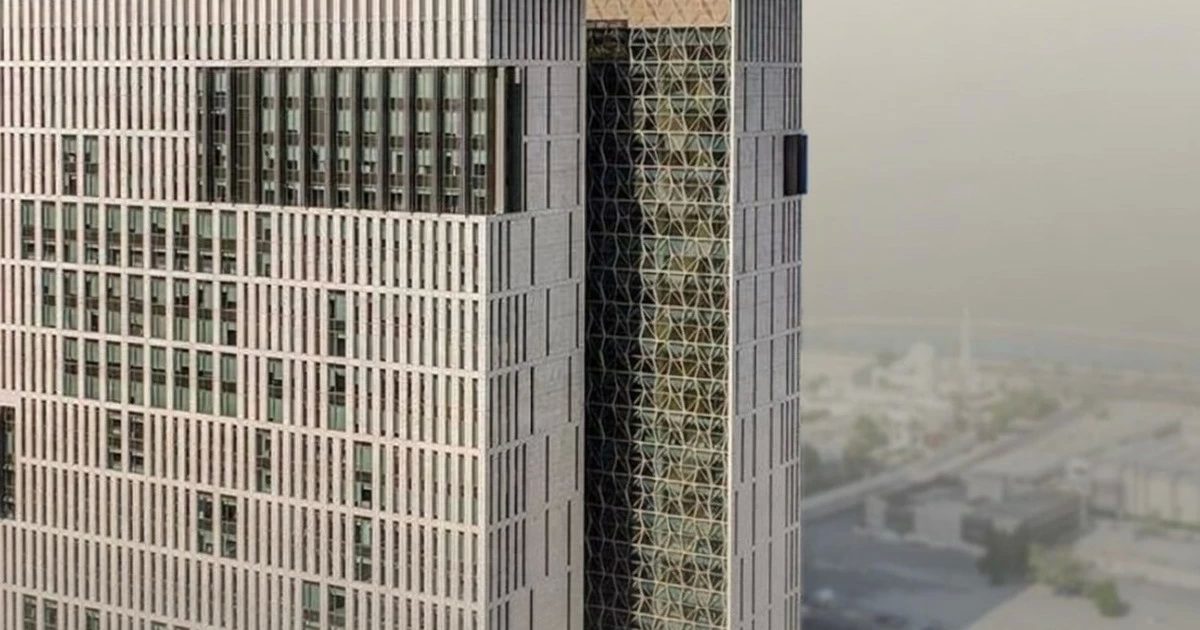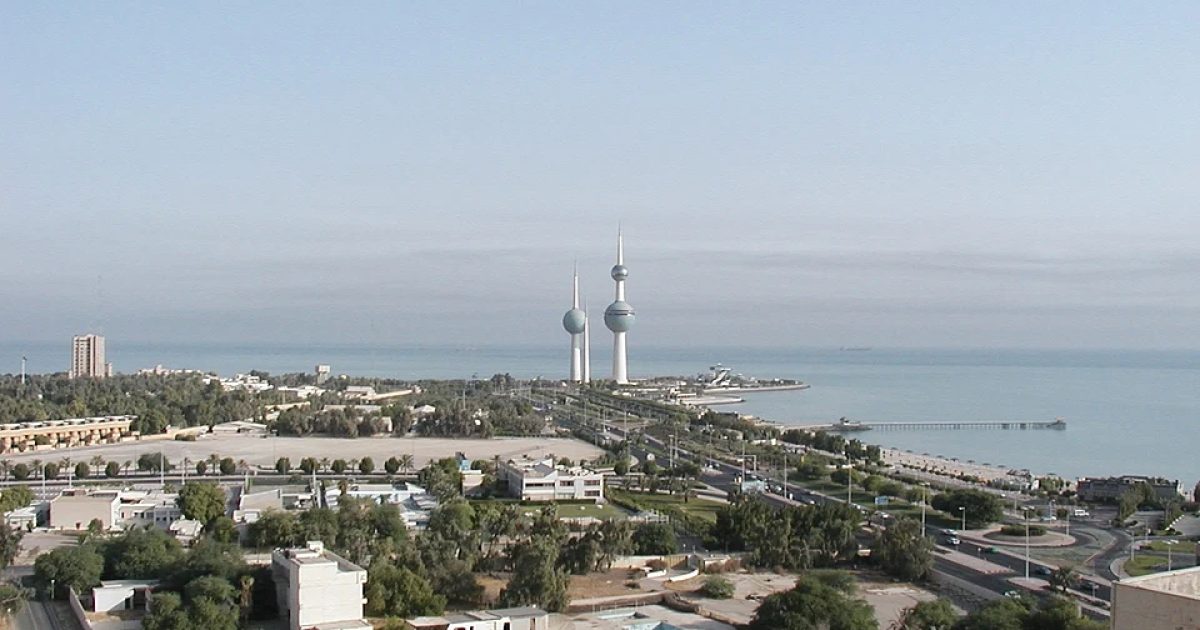
Building construction in Kuwait is governed by a comprehensive legislative framework designed to ensure building safety and compliance with urban planning and technical requirements. Kuwait Municipality plays the primary role in issuing permits, monitoring compliance with building codes, and penalizing violators.
• No construction or modification is permitted without a Municipality permit
• Requirements cover height, setbacks, building ratio, and parking
• Violations may result in demolition orders, fines, or both
• The supervising engineer bears legal responsibility for violations
• Technical committees are formed to adjudicate objections to demolition orders
Table of Contents
- Legislative Framework for Building Regulation
- Building Permits — Requirements & Procedures
- Technical and Urban Planning Requirements
- Residential and Commercial Building Requirements
- Building Violations
- Demolition and Correction Procedures
- Engineer and Contractor Liability
- Objecting to and Challenging Municipality Decisions
- The Lawyer's Role in Building Cases
1. Legislative Framework for Building Regulation
Building regulation in Kuwait rests on several primary statutes:
Authorities involved in building regulation include:
- Kuwait Municipality: Permit issuance, inspection, and enforcement
- Kuwait Society of Engineers: Engineering firm accreditation and professional oversight
- Fire Department: Fire safety requirements
- Ministry of Electricity and Water: Connections and electrical load
- Environment Public Authority: Environmental assessment for major projects
2. Building Permits — Requirements & Procedures
A building permit from Kuwait Municipality must be obtained before commencing any construction, renovation, or modification work:
Required Documents:
- Property title deed or long-term lease agreement
- Engineering plans approved by a licensed engineering firm
- Soil testing report from an accredited laboratory
- No-objection certificates from relevant authorities (fire, electricity)
- Appointment of a supervising engineer for construction
Permit Stages:
- Application submission with engineering plans
- Technical review by the Planning Department
- Obtaining approvals from other authorities
- Issuance of building permit (valid for two years, renewable)
- Commencement of construction under approved engineer supervision
3. Technical and Urban Planning Requirements
Building regulations specify detailed technical requirements that must be followed:
• Maximum building ratio to plot area
• Front, side, and rear setbacks
• Maximum height by zone
• Green space and open area ratios
• Required number of parking spaces
• Earthquake resistance (Kuwait Code)
• Fire resistance and evacuation routes
• Building thermal insulation
• Natural and mechanical ventilation
• Sewage and stormwater drainage systems
4. Residential and Commercial Building Requirements
Requirements differ based on use type:
Private Residential:
- Maximum height: three floors plus basement
- Building ratio: not exceeding 210% of plot area
- Front setback of at least 3.5 meters
- Private residential may not be used for commercial purposes
Investment (Apartments):
- Height dependent on zone and street width
- Minimum one parking space per apartment
- Additional elevator and stairway requirements
Commercial:
- Special structural load requirements
- Enhanced fire safety requirements
- Higher parking ratios
- Accessibility for persons with disabilities
5. Building Violations
Building violations in Kuwait are varied and include:
- Building Without a Permit: Commencing construction without a valid permit
- Violating Permit Conditions: Executing works that differ from approved plans
- Exceeding Building Ratio: Constructed area exceeding the permitted ratio
- Setback Violations: Building within designated setback areas
- Change of Use: Converting residential to commercial or vice versa without authorization
- Building on State Property: Encroaching on public land with construction
6. Demolition and Correction Procedures
Kuwait Municipality follows specific procedures for dealing with violations:
- Detection and Documentation: Municipality inspectors detect and document the violation with photographs and reports
- Warning: Issuing a written warning to the owner to remove the violation within a specified period
- Demolition Order: Issuing an administrative demolition order if the owner fails to comply
- Forced Execution: Municipality carries out the demolition at the owner's expense in case of non-compliance
- Violation Reports and Fines: Filing violation reports and imposing financial penalties
In urgent cases posing a risk to public safety, the Municipality may execute immediate demolition without waiting for the notice period to expire.
7. Engineer and Contractor Liability
Both engineers and contractors bear legal responsibility for building violations:
Supervising Engineer:
- Responsible for ensuring construction matches approved plans
- Obligated to report any discovered violations
- Subject to disciplinary sanctions from the Engineers Society
- License may be revoked in cases of serious violations
Executing Contractor:
- Responsible for executing works according to plans and specifications
- Bears demolition and reconstruction costs in case of violation
- Subject to decennial (10-year) liability for fundamental building defects
8. Objecting to and Challenging Municipality Decisions
Affected parties have the right to object to Municipality building-related decisions:
• Filing a grievance with the Municipality Director General
• Referral to the competent technical committee
• Possibility of administrative amendment or cancellation
• Grievance period typically 60 days
• Appeal before the Administrative Circuit of the Court of First Instance
• Request to temporarily stay the demolition order
• Appeal before the Court of Appeal
• Cassation appeal against final judgments
9. The Lawyer's Role in Building Cases
Specialized building and real estate lawyers provide comprehensive services:
- Pre-Construction Advisory: Reviewing contracts with contractors and engineers and permit conditions
- Challenging Municipality Decisions: Objecting to demolition orders or permit refusals
- Staying Demolition: Obtaining summary court orders to stay demolition execution
- Compensation Claims: Claiming compensation from contractors or engineers for building defects
- Dispute Resolution: Mediating between owners, contractors, and the Municipality
© Yumnaak Law Firm — YLF.com.kw | Information provided for legal education purposes and does not substitute professional legal advice.