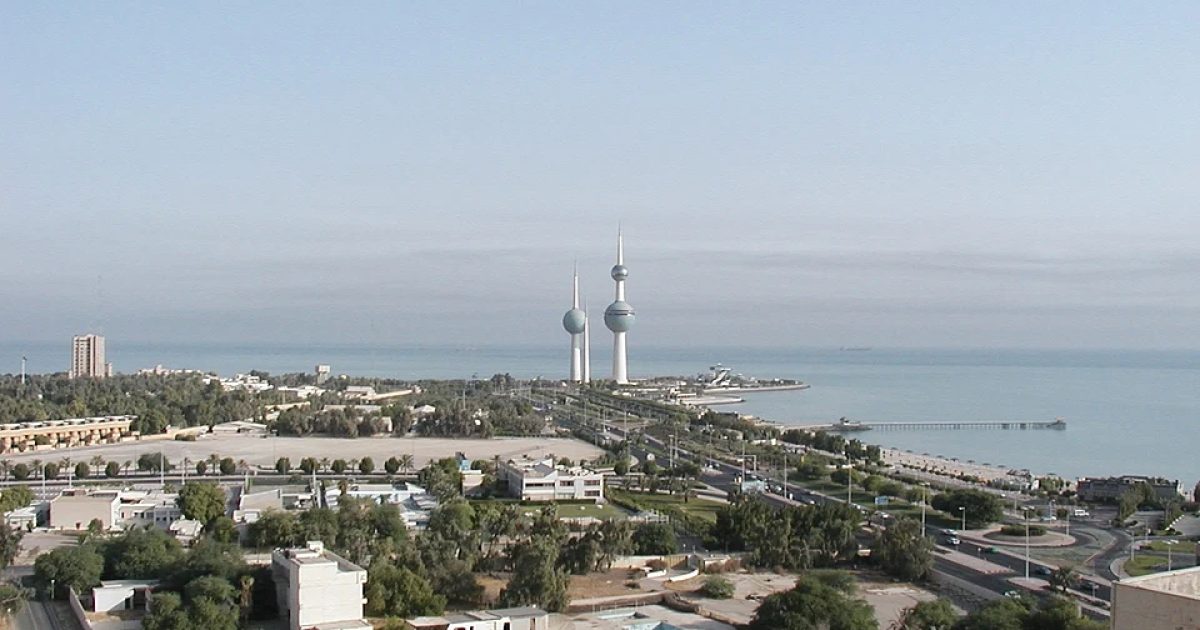
Kuwait has developed a robust environmental regulatory framework to balance economic development with ecological sustainability. The Environmental Protection Law No. 42 of 2014 serves as the cornerstone of this framework, establishing comprehensive rules governing pollution control, natural resource conservation, waste management, and marine environment protection. This article provides an overview of the key provisions, regulatory institutions, enforcement mechanisms, and practical compliance considerations under Kuwaiti environmental law.
Legislative Framework for Environmental Protection
Law No. 42 of 2014 on Environmental Protection replaced the earlier Law No. 21 of 1995, introducing a modernized and more comprehensive approach to environmental governance. The law addresses virtually every aspect of environmental protection, including:
- Air, water, and soil pollution prevention and control
- Waste management, including hazardous and medical waste
- Marine and coastal environment protection
- Biodiversity conservation and natural resource management
- Environmental impact assessment requirements
- Penalties and enforcement mechanisms for environmental violations
The law is supplemented by detailed executive regulations, ministerial decisions, and technical standards issued by the Environment Public Authority (EPA), which collectively form Kuwait's environmental regulatory system.
The Environment Public Authority (EPA)
The EPA is Kuwait's primary environmental regulatory body, endowed with broad authority over environmental policy-making, licensing, monitoring, and enforcement. Its core functions include:
- Policy development: Formulating national environmental policies, strategies, and action plans in coordination with relevant government agencies.
- Environmental licensing: Reviewing environmental impact assessments and issuing environmental approvals for industrial, commercial, and development projects.
- Inspection and enforcement: Conducting inspections of facilities to verify compliance with environmental standards. EPA inspectors hold judicial police authority, enabling them to document violations and refer cases for prosecution.
- Environmental monitoring: Operating a network of air and water quality monitoring stations across the country and publishing periodic environmental quality reports.
- Public awareness: Promoting environmental education and awareness among individuals and organizations.
Environmental Impact Assessment (EIA)
Kuwaiti environmental law requires all development, industrial, and commercial projects to undergo an Environmental Impact Assessment before commencing operations. The EIA process serves as a preventive tool designed to identify, evaluate, and mitigate potential environmental impacts. A standard EIA submission typically includes:
- A comprehensive description of the proposed project, its activities, and implementation phases
- An analysis of the existing environmental baseline at the project site
- An assessment of anticipated environmental impacts on air, water, soil, and biodiversity
- A proposed environmental management plan with mitigation and monitoring measures
- An evaluation of feasible project alternatives
The EPA may reject projects that pose unacceptable environmental risks, or impose additional conditions and monitoring requirements on approved projects.
Air Quality and Pollution Control
The law establishes strict provisions to protect air quality. It prohibits the release of pollutants into the atmosphere in excess of the limits set by the EPA. Key air quality provisions include mandatory emission limits for industrial facilities, power plants, and vehicles; requirements to employ best available technologies for emission reduction; a prohibition on open-air waste burning; regulation of ozone-depleting substances consistent with the Montreal Protocol; and ambient air quality standards aligned with international benchmarks.
Water Resource Protection and Desalination Regulations
Given Kuwait's arid climate and heavy reliance on desalinated seawater, the law places particular emphasis on water resource protection:
- Groundwater protection: Contamination or excessive depletion of groundwater is prohibited, and facilities must implement measures to prevent pollutant infiltration.
- Industrial and sewage discharge: Discharge of liquid waste into water bodies or drainage systems without treatment to specified standards is forbidden.
- Desalination plant regulation: Desalination facilities are subject to stringent requirements regarding the disposal of concentrated brine to minimize harm to the marine environment.
- Treated water reuse: The law encourages the reuse of treated wastewater for agricultural, industrial, and landscaping purposes, subject to defined quality standards.
Waste Management and Hazardous Waste Disposal
The law establishes a comprehensive waste management framework based on the waste hierarchy: reduction, reuse, recycling, and safe disposal. Key provisions include source separation requirements, prohibitions on unauthorized waste dumping, licensing requirements for hazardous waste transport, strict protocols for hazardous waste handling and disposal, a ban on importing hazardous waste consistent with the Basel Convention, and technical requirements for sanitary landfill operations. Facilities generating industrial or medical waste must maintain detailed records and submit periodic reports to the EPA.
Marine Environment Protection and Oil Spill Liability
Given Kuwait's location on the Arabian Gulf and the central role of the petroleum industry in its economy, the law contains rigorous provisions for marine environment protection:
- Marine pollution prohibition: Discharge or dumping of pollutants or waste into Kuwait's territorial waters is strictly prohibited, whether from vessels, coastal facilities, or offshore platforms.
- Oil spill liability: The law imposes strict liability on vessel owners and operators of petroleum installations for any oil spill that contaminates the marine environment. They are responsible for cleanup costs, environmental remediation, and compensation for resulting damages.
- Emergency preparedness: Offshore oil and gas operators must maintain comprehensive oil spill contingency plans and conduct regular response drills.
- Marine protected areas: The EPA is authorized to designate marine protected areas and restrict activities within them.
Kuwait also cooperates with other Gulf states through the Regional Organization for the Protection of the Marine Environment (ROPME) on marine pollution prevention and response.
Noise Pollution and Industrial Emissions Standards
The law recognizes noise as a form of environmental pollution and establishes maximum permissible noise levels for residential, commercial, and industrial zones. Facilities are required to implement noise reduction measures, and construction activities near residential areas are subject to time restrictions. Industrial facilities must comply with specific emission standards for gaseous and particulate pollutants, install emission treatment equipment and continuous monitoring systems, and submit periodic emissions reports to the EPA.
Penalties for Environmental Violations
The law provides a comprehensive enforcement regime combining administrative and criminal sanctions:
- Administrative sanctions: The EPA may issue warnings, impose administrative fines, suspend or revoke environmental licenses, temporarily or permanently halt non-compliant operations, and order violators to remediate environmental damage at their own expense.
- Criminal penalties: The law prescribes fines and imprisonment for serious environmental offenses, with the severity of punishment proportional to the gravity of the violation and the extent of environmental damage caused.
- Civil liability: In addition to administrative and criminal sanctions, affected parties may pursue civil compensation claims for damages caused by environmental pollution.
- Repeat offenses: Penalties are doubled for repeat violations or offenses committed intentionally.
The 2014 law significantly increased penalties compared to its predecessor, reflecting Kuwait's commitment to more rigorous environmental enforcement.
Environmental Litigation and Standing to Sue
Kuwaiti law provides several avenues for environmental litigation. Individuals who suffer direct harm from environmental pollution may file civil tort claims for compensation. Criminal cases are initiated by the public prosecution based on violation reports prepared by EPA inspectors. Administrative decisions of the EPA may be challenged before the administrative courts. Registered environmental associations are granted the right to report environmental violations and participate in related legal proceedings. Notably, courts have at times adopted a more expansive interpretation of standing requirements in environmental cases, recognizing their inherently public interest nature.
Kuwait's International Environmental Commitments
Kuwait is a party to numerous international environmental conventions and treaties, including:
- UNFCCC and Paris Agreement: Kuwait has committed to contributing to global climate change mitigation efforts and has submitted its Nationally Determined Contributions (NDCs).
- Basel Convention: Kuwait adheres to restrictions on the transboundary movement and disposal of hazardous waste.
- MARPOL Convention: Kuwait complies with international standards for the prevention of pollution from ships.
- Montreal Protocol: Kuwait is phasing out the use of ozone-depleting substances.
- Convention on Biological Diversity: Kuwait works to protect its biodiversity and natural habitats.
- Kuwait Regional Convention: Kuwait cooperates with regional states to protect the marine environment of the Arabian Gulf.
These international obligations are progressively integrated into domestic legislation through amendments to existing laws and the adoption of new regulations.
Environmental Remediation Obligations
The law enshrines the "polluter pays" principle, requiring anyone who causes environmental contamination to bear the full costs of cleanup, remediation, and restoration. Remediation obligations include immediately ceasing polluting activities, cleaning contaminated sites and treating affected soil and water, conducting post-remediation monitoring, and compensating for damage to natural resources and biodiversity. A prominent example of environmental remediation in Kuwait is the decades-long effort to address the environmental devastation caused by the 1990 Iraqi invasion, which involved extinguishing oil well fires, cleaning oil lakes, and treating contaminated soil.
Corporate Environmental Compliance
Businesses operating in Kuwait face a range of environmental compliance obligations that vary based on the nature and scale of their operations. These include obtaining environmental approvals before commencing activities, appointing qualified environmental officers (for certain categories of facilities), maintaining detailed records of emissions, waste, and hazardous materials, submitting periodic environmental reports to the EPA, developing emergency response plans for environmental incidents, and training employees on sound environmental practices.
Practical Guidance for Businesses
To ensure full compliance with Kuwait's environmental regulations and minimize legal risk, businesses should consider the following practical steps:
- Conduct regular environmental audits: Periodic internal or external environmental audits help identify compliance gaps before they are detected by regulatory authorities.
- Keep licenses current: Ensure all environmental permits and approvals are valid and renewed on time.
- Implement an environmental management system: Adopting a recognized framework such as ISO 14001 can help systematize compliance efforts and drive continuous improvement.
- Document everything: Maintain thorough records of all environmental measures taken and keep documentation ready to demonstrate compliance during inspections.
- Stay informed: Environmental regulations evolve regularly. Monitor new EPA decisions, amended standards, and regulatory updates.
- Seek specialized legal counsel: Given the complexity of environmental regulations, engaging a law firm with expertise in environmental law is strongly recommended to ensure full compliance and effective risk management.
Conclusion
Law No. 42 of 2014 on Environmental Protection represents a significant advancement in Kuwait's environmental governance, establishing a comprehensive legal framework that aligns with international standards and supports sustainable development. As environmental awareness and regulatory scrutiny continue to increase both locally and globally, proactive environmental compliance is essential for businesses, not only to avoid penalties but also to protect their reputation and long-term viability.
Navigating Kuwait's environmental regulatory landscape requires a thorough understanding of the law, its executive regulations, and the standards issued by the EPA. If your organization needs specialized legal advice on environmental compliance, regulatory risk management, or environmental litigation in Kuwait, the team at Yumnaak Law Firm is ready to provide the expert guidance and support you need.