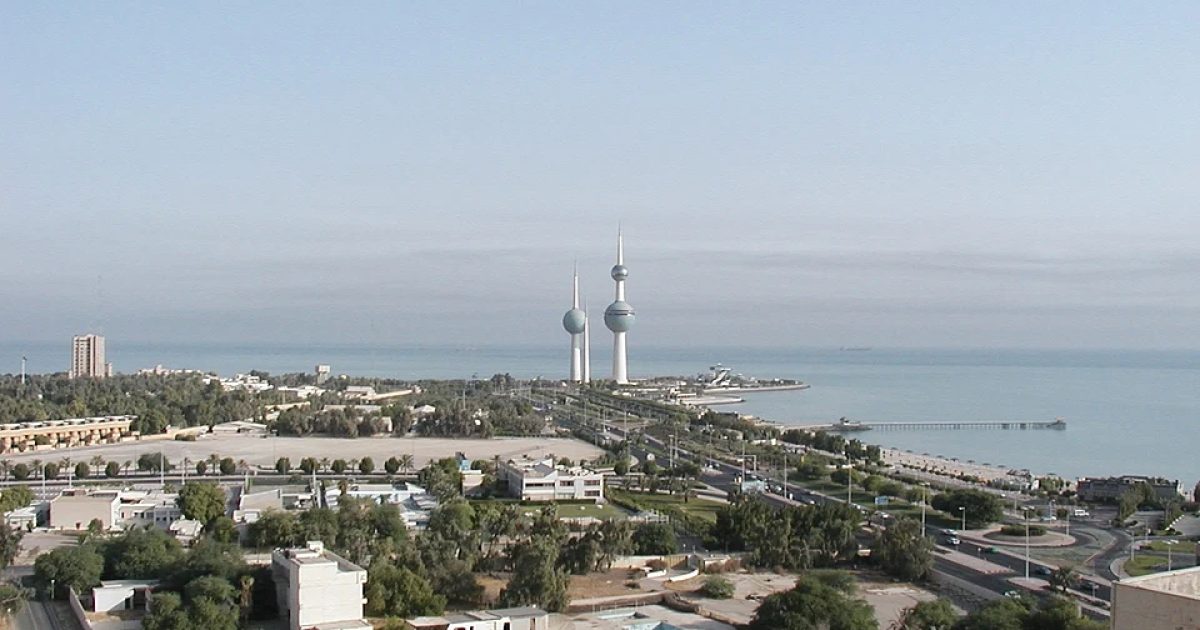
Kuwait's Maritime Commerce Law, enacted by Decree-Law No. 28 of 1980, forms one of the most significant branches of the country's commercial legislation. Given Kuwait's strategic position at the head of the Arabian Gulf and its deep-rooted maritime trading heritage, this law provides a comprehensive framework governing maritime navigation, carriage of goods by sea, and marine insurance, while aligning with widely adopted international conventions.
This guide examines the key provisions and practical applications of Kuwait's maritime law, offering valuable insights for shipping companies, importers, exporters, insurers, and maritime professionals operating in and around Kuwaiti waters.
Ship Registration and the Kuwaiti Flag
Kuwait's maritime law sets out the conditions for registering vessels and entitling them to fly the Kuwaiti flag. Registration in the Kuwaiti maritime register requires that the vessel be owned by Kuwaiti nationals or by companies meeting prescribed Kuwaiti ownership thresholds. Once registered, the vessel acquires Kuwaiti nationality, subjecting it to Kuwaiti jurisdiction and entitling it to the state's diplomatic protection.
Registration obliges the shipowner to comply with applicable maritime safety and environmental standards, including certificates of seaworthiness and classification requirements. It is also essential for establishing title to the vessel and for completing legal transactions such as sale or mortgage.
Bills of Lading and Contracts of Carriage
The bill of lading is the central document in any contract for the carriage of goods by sea, serving three core functions: a receipt for the goods shipped, evidence of the contract terms, and a negotiable document of title. Kuwait's maritime law regulates bills of lading in a manner consistent with the internationally recognized Hague-Visby Rules.
The carrier is obligated to deliver the goods at the port of destination in the condition in which they were received. Liability for loss, damage, or delay attaches unless the carrier can establish a recognized defence — such as force majeure, inherent vice of the goods, or fault of the shipper.
Charter Parties: Voyage and Time
The law recognizes two principal types of charter party:
- Voyage Charter: The shipowner undertakes to carry cargo between specified ports for freight calculated typically by reference to the quantity of goods. Operating expenses and crew costs remain with the owner.
- Time Charter: The vessel is hired for a defined period. The charterer bears fuel costs and port charges, while the owner remains responsible for the crew and vessel maintenance.
Charter parties must be in writing and should specify essential particulars including the vessel's description, charter period, freight rate, loading and discharge terms, laytime, and demurrage provisions.
Cargo Claims and Carrier Liability
The shipper or consignee may bring a liability claim against the carrier where goods are lost, damaged, or delayed. The law imposes maximum limits on the carrier's liability, calculated by reference to the weight of the goods or the number of packages, unless the shipper has declared the value of the cargo on the bill of lading.
The consignee must inspect the goods promptly upon delivery and serve written notice of loss or damage within the legally prescribed time frame; failure to do so raises a presumption of conforming delivery. Limitation periods for cargo claims are defined by law, running from the date of actual or expected delivery.
Maritime Liens and Mortgages
Kuwaiti maritime law permits the mortgage of vessels as security for financing, with the mortgage registered in the maritime register. This gives the mortgagee priority and the right to follow the vessel into the hands of third parties — a vital financing mechanism for the shipping industry.
Maritime liens are statutory rights that attach to the vessel by operation of law to secure certain privileged debts, including crew wages, salvage expenses, port dues, and collision damages. Importantly, maritime liens rank ahead of registered mortgages in the order of priority.
Collision Rules
The law establishes liability rules for collisions between vessels. Where fault lies with one vessel alone, that vessel bears full liability. Where both vessels are at fault, liability is apportioned according to the degree of fault attributable to each. If the degree of fault cannot be determined, liability is divided equally.
The master of every vessel involved in a collision is obligated to render assistance to the other vessel, its passengers, and crew, so far as practicable without serious danger to his own vessel. A maritime protest must be filed promptly, detailing the circumstances of the incident.
Salvage and General Average
Kuwait's maritime law regulates salvage and assistance at sea, recognizing the salvor's right to a fair reward proportionate to the effort expended, the risks undertaken, and the result achieved. The traditional "No Cure, No Pay" principle applies, subject to exceptions relating to the protection of the marine environment.
General average arises when the master intentionally sacrifices part of the vessel or cargo to save the maritime venture from a common peril. The resulting losses are distributed among all interested parties — shipowner, cargo interests, and insurers — in proportion to the value of each party's interest, typically in accordance with the York-Antwerp Rules.
Marine Insurance: Types and Claims
Marine insurance is a cornerstone of maritime commerce in Kuwait. The principal categories include:
- Hull Insurance: Covers physical damage to the vessel from maritime perils such as sinking, grounding, collision, and fire.
- Cargo Insurance: Covers loss or damage to goods carried by sea, with graduated levels of coverage from comprehensive (Institute Cargo Clauses A) to more limited terms.
- Protection and Indemnity (P&I) Insurance: Covers the shipowner's third-party liabilities, including personal injury, environmental pollution, and cargo damage, typically provided through mutual P&I clubs.
- Freight Insurance: Covers loss of expected freight revenue where the vessel is lost or unable to complete the voyage.
Upon the occurrence of a maritime casualty, the assured must notify insurers promptly and take reasonable steps to mitigate the loss. The principle of utmost good faith (uberrima fides) requires full disclosure of all material facts both at inception of the policy and when presenting a claim.
Port Regulations and Crew Contracts
Kuwait's ports operate under strict regulations governing navigation, pilotage, berthing, cargo handling, and port security. The Kuwait Ports Authority oversees port operations and ensures safe navigation within territorial waters.
Seafarer employment contracts are subject to special provisions that account for the unique conditions of work at sea. These cover terms of engagement, wages, leave, health insurance, compensation for work-related injuries, and grounds for contract termination. Kuwait adheres to international standards for seafarers' rights and working conditions as set by the International Maritime Organization.
Maritime Security and Anti-Piracy
Kuwait places significant emphasis on maritime security and the protection of shipping lanes in the Arabian Gulf. The country implements the International Ship and Port Facility Security (ISPS) Code, which imposes rigorous security standards on vessels and port facilities to counter security threats.
In the fight against maritime piracy, Kuwait cooperates with international and regional organizations to secure vital sea passages in the Gulf region. Acts of piracy and attacks on vessels on the high seas are criminalized under both Kuwaiti domestic law and applicable international conventions.
Arbitration in Maritime Disputes
Maritime arbitration is the preferred method for resolving international shipping disputes, valued for its speed, specialist expertise, and procedural flexibility compared with ordinary litigation. Kuwaiti law permits arbitration of maritime disputes pursuant to an arbitration clause in the contract of carriage or a standalone arbitration agreement.
Most bills of lading and charter parties contain arbitration clauses referring disputes to specialized fora such as London Maritime Arbitrators Association (LMAA) arbitration. Parties may also submit disputes to the Kuwait Centre for International Commercial Arbitration under Kuwait's judicial arbitration law.
Kuwait as a Gulf Shipping Hub
Kuwait's strategic geography positions it as a key node in Arabian Gulf maritime trade. Shuwaikh Port, Shuaiba Port, and specialized terminals provide a well-developed port infrastructure supporting regional and international commerce.
As part of its national development vision, Kuwait seeks to strengthen its maritime sector, attract investment in logistics and shipping services, and modernize its maritime legal framework to keep pace with international developments and the demands of contemporary seaborne trade.
Practical Guidance for Maritime Businesses
- Thorough Documentation: Ensure all maritime transactions — bills of lading, charter parties, and insurance policies — are properly documented in writing, with certified copies retained.
- Adequate Insurance: Secure insurance coverage appropriate to the nature and risks of the maritime activity.
- Regulatory Compliance: Meet all registration, licensing, port, safety, and environmental requirements applicable to your operations.
- Clear Arbitration Clauses: Include well-drafted arbitration clauses specifying the seat of arbitration, governing law, and language of proceedings.
- Specialist Legal Counsel: Consult a lawyer experienced in maritime law before entering into major shipping contracts or when a maritime dispute arises.
Conclusion
Kuwait's maritime law provides a comprehensive legal framework governing every aspect of maritime activity, from ship registration through marine insurance to dispute resolution. As regional and international maritime trade continues to evolve, a solid understanding of this legal regime is indispensable for all participants in the maritime sector.
If you require specialized legal advice on maritime law, shipping, or marine insurance matters in Kuwait, the team at Yumnaak Law Firm is ready to provide the expert legal support you need to protect your interests and ensure full compliance with applicable maritime regulations. Do not hesitate to contact us for a consultation.