Kuwait's military legal framework forms a distinct pillar of the country's legal system, establishing the rules and standards that govern the conduct, discipline, and rights of armed forces personnel. Because of the unique demands of military life and national security imperatives, the Kuwaiti legislature has enacted specialized laws that differ significantly from general civil and criminal statutes.
The Military Penal Code, Law No. 32 of 1967, serves as the principal legislation defining military crimes and their corresponding penalties. This law has been amended over the decades to keep pace with developments in both military practice and legal thought.
In this article, we examine the key aspects of Kuwait's military law, including types of military offenses, military court jurisdiction, the rights of accused service members, military pensions, and practical guidance for those facing military legal proceedings.
Legislative Framework of Kuwait's Military Law
Law No. 32 of 1967 (the Military Penal Code) regulates penal matters relating to members of the Kuwait Armed Forces. It defines acts that constitute military crimes, prescribes the applicable penalties, and sets out the procedural rules to be followed before military courts.
The law applies to all members of the armed forces — officers, non-commissioned officers, and enlisted personnel — whether on active duty or called up from reserve. It also extends to cadets enrolled in military colleges and institutes, and in certain circumstances to prisoners of war.
Types of Military Offenses
Kuwait's Military Penal Code classifies military offenses into several principal categories that reflect the demands of military discipline:
- Desertion: One of the most serious military crimes, desertion involves a service member leaving their post or failing to report to their unit at the designated time without authorization. Penalties are significantly harsher when desertion occurs in the face of the enemy or during wartime.
- Insubordination: This covers refusal to obey lawful orders issued by military superiors or acts of defiance against military authority. Penalties vary according to the circumstances and severity of the disobedience.
- Absence Without Leave (AWOL): Unauthorized absence from duty without obtaining official leave or permission. It differs from desertion in the duration of absence and the intent of the service member.
- Mutiny: Whether individual or collective, mutiny carries severe penalties that escalate when weapons are involved or when the act is carried out by a group. It is among the gravest offenses under military law.
- Disclosure of Military Secrets: The law criminalizes the unauthorized disclosure of classified information related to national defense, military operations, or intelligence matters, with enhanced penalties when the disclosure causes harm to national security.
- Conduct Unbecoming: Acts that bring dishonor to the military institution or violate the military code of conduct may be prosecuted as offenses.
Military Courts and Their Jurisdiction
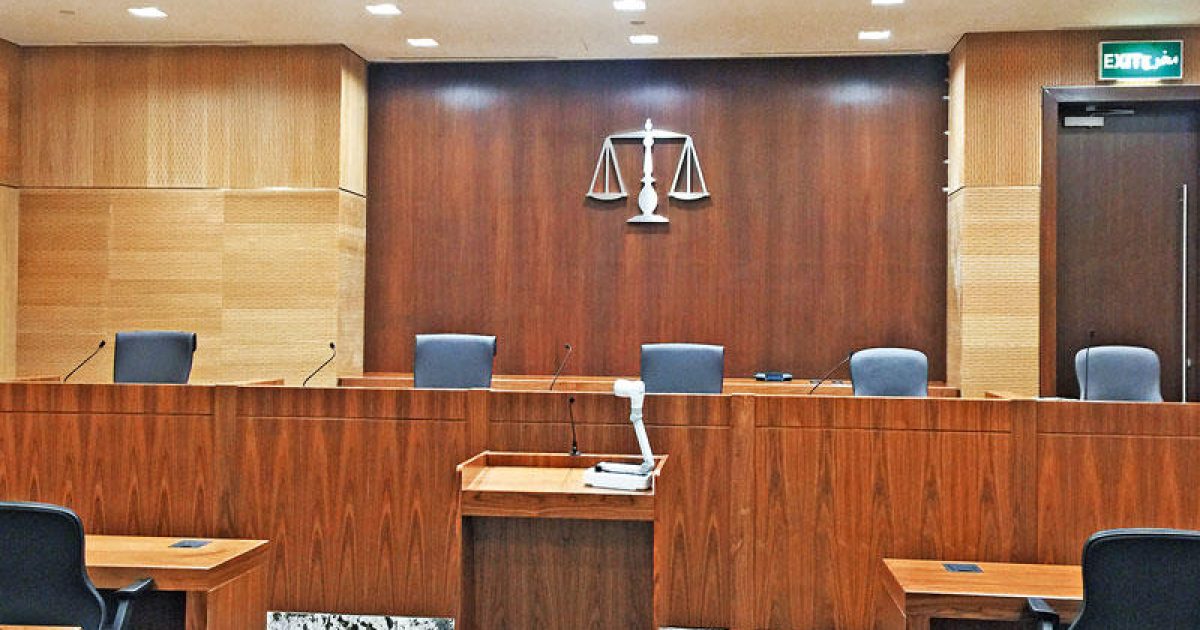
Kuwait has established an independent military judicial system responsible for adjudicating military offenses. Military courts differ from civilian courts in both their composition and procedures — they are typically composed of officers of specified ranks who serve in a judicial capacity.
The jurisdiction of military courts extends to offenses defined under the Military Penal Code and, in certain circumstances, to ordinary crimes committed by service members during or by reason of their duty. It is important to distinguish between disciplinary measures that commanding officers may impose (such as warnings, disciplinary confinement, and leave restrictions) and criminal proceedings before military courts that may result in more severe penalties such as imprisonment or dismissal from service.
Relationship Between Military and Civilian Courts
Practical questions frequently arise regarding the boundaries between military and civilian court jurisdiction. As a general rule, military courts handle offenses of a purely military character, while ordinary criminal courts deal with common crimes.
However, jurisdictional overlap can occur — particularly when a single act constitutes both a military offense and an ordinary crime. Kuwaiti law addresses this overlap through rules that establish jurisdictional priority and prevent double jeopardy for the same act.
Rights of the Accused in Military Trials
Despite the specialized nature of military justice, accused persons before military courts are afforded fundamental guarantees to ensure a fair trial:
- Right to Legal Representation: The accused is entitled to be represented by a civilian or military lawyer before the military court.
- Right of Confrontation: The accused has the right to examine the evidence against them and to cross-examine witnesses.
- Presumption of Innocence: The accused is presumed innocent until proven guilty by a final judicial ruling in accordance with established procedures.
- Right of Appeal: The accused may appeal judgments rendered against them through the channels prescribed under military law.
Military Police Powers
The Military Police play a central role in maintaining order and discipline within the armed forces. They hold broad powers including the authority to apprehend service members who have committed violations, conduct preliminary investigations into military offenses, and execute commands related to military discipline.
Military Police must operate within legal constraints that protect the rights of individuals and prevent the abuse of authority.
Military Pensions, Benefits, and Service Obligations
Kuwaiti law provides a comprehensive benefits framework for armed forces personnel, covering salaries, allowances, healthcare, housing, and various types of leave. A dedicated military pension system ensures that retired service members receive a pension commensurate with their years of service and rank.
Military procurement and contracts are subject to special rules that take into account the requirements of confidentiality and national security. Kuwait has also experienced periods of mandatory conscription aimed at strengthening the nation's defense capabilities, and every person who joins the armed forces — whether conscripted or volunteering — is bound by the military code of conduct.
Code of Conduct and International Humanitarian Law
The military code of conduct defines the values and ethical principles that service members must uphold, including loyalty to the nation and constitution, respect for the chain of command, and the safeguarding of military secrets. In situations of armed conflict, service members are required to comply with international humanitarian law, including the prohibition of war crimes and the humane treatment of prisoners of war and civilians.
Practical Advice for Service Members Facing Legal Issues
- If you are charged with a military offense, seek the assistance of a lawyer experienced in military law at the earliest opportunity.
- Document all written correspondence and orders related to your case.
- Familiarize yourself with your rights under the Military Penal Code before appearing before any investigative body.
- Understand the distinction between disciplinary proceedings and criminal proceedings, as each carries different consequences for your career.
- Do not make any statements or confessions before consulting your attorney.
Conclusion
Kuwait's military legal system represents a comprehensive framework designed to balance the demands of military discipline with the protection of service members' rights. Military cases require specialized legal expertise due to the complexity of procedures and the distinctive nature of the governing legislation.
If you are a member of the Kuwait Armed Forces facing a legal matter, or if a family member needs assistance with a military case, do not hesitate to contact Yumnaak Law Firm for specialized legal advice that respects the particularities of military law and ensures the fullest protection of your rights.