Inheritance and wills are among the most sensitive legal matters in Kuwait. The Kuwaiti Personal Status Law governs these issues based on Islamic Sharia principles, with special provisions for non-Muslim residents. This article provides an overview of estate distribution rules, will registration procedures, and how inheritance disputes are resolved before Kuwaiti courts.
Mandatory Heirs and Residuary Heirs
Kuwait's inheritance system follows Islamic jurisprudence, which assigns each heir a precisely defined share. Heirs are divided into two main categories:
- Fixed-share heirs (Ashab al-Furud): These are heirs whose portions are explicitly prescribed by Sharia, including the surviving spouse, parents, daughters, and sisters. The exact share of each heir varies depending on the presence or absence of other heirs.
- Residuary heirs (Asabat): These heirs inherit whatever remains of the estate after the fixed shares have been distributed. Priority is determined by proximity of relationship — a son takes precedence over a grandson, and a full brother over a half-brother.
A key concept is blocking (Hajb), whereby a closer heir may partially or entirely exclude a more distant one from inheriting. For example, a brother is blocked from inheritance by the presence of the deceased's son.
Wills — Limits and Validity Requirements
Kuwaiti law permits a person to bequeath a portion of their estate through a will, subject to important restrictions:
- A will may not exceed one-third of the total estate unless the heirs unanimously consent after the testator's death.
- A bequest to an existing heir is invalid unless the remaining heirs approve it.
- The testator must be of legal capacity — an adult of sound mind acting voluntarily.
- While oral wills may be recognized, it is strongly recommended to register the will officially to avoid future disputes.
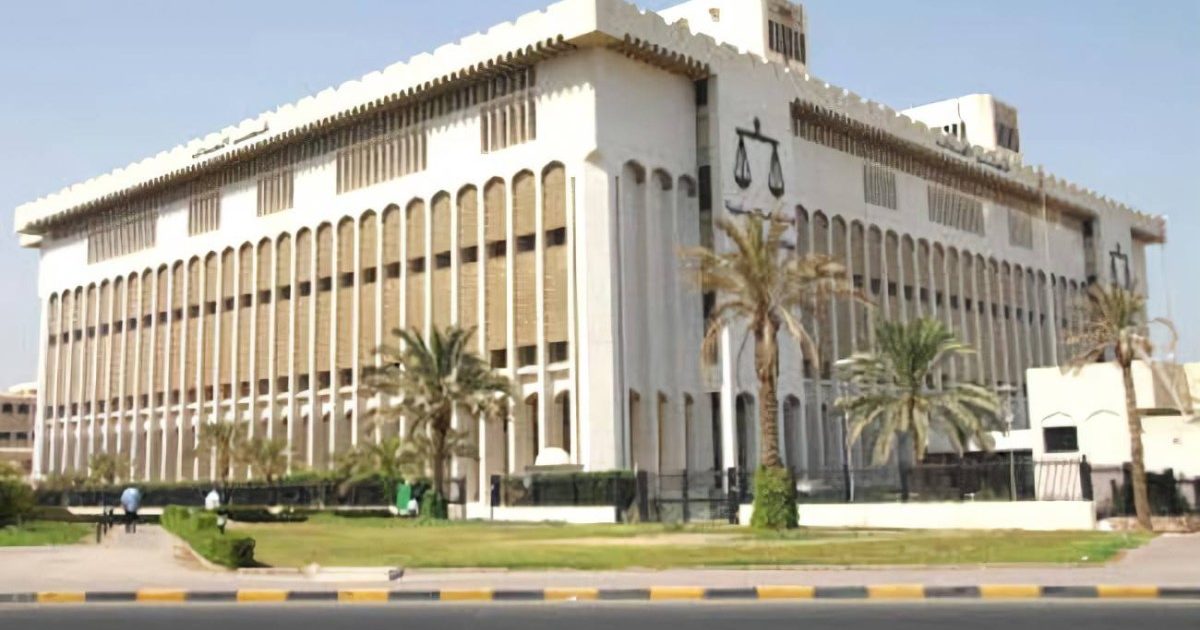
Wills can be registered with the Authentication Department at the Ministry of Justice, which gives the document formal legal standing and simplifies enforcement before the courts.
Estate Distribution Procedure and Required Documents
When a person passes away in Kuwait, the estate goes through a structured legal process:
- Certificate of Heirs: The court issues this document identifying all lawful heirs and their respective shares. Applicants must provide the death certificate, civil IDs or birth certificates of the heirs, and marriage contracts where applicable.
- Estate inventory: All assets of the deceased — real property, bank accounts, movable property, and outstanding debts — are identified and valued.
- Settlement of debts and wills: The deceased's debts are paid first from the estate, followed by execution of any valid will (up to one-third), and the remainder is distributed among the heirs.
- Division by agreement or court order: If the heirs reach consensus, the estate is divided amicably. Otherwise, the matter is referred to the court for adjudication.
Inheritance Disputes and Appeals
Disagreements among heirs are common, and typical grounds for dispute include:
- Challenges to the validity or authenticity of a will.
- Disagreement over the valuation of real estate or business assets.
- Claims that a rightful heir was wrongfully excluded.
- Errors in the Certificate of Heirs regarding the identity of heirs or their shares.
Aggrieved parties may file claims before the Personal Status Court. Judgments can be appealed to the Court of Appeal, and in eligible cases, further appealed to the Court of Cassation.
Inheritance for Non-Muslims in Kuwait
For non-Muslim residents of Kuwait, different rules may apply. As a general principle, inheritance between persons of different religions is not permitted under Kuwaiti law. However, when all parties belong to the same non-Muslim denomination, the rules of that denomination or applicable civil law provisions may govern the distribution. Non-Muslim residents are especially encouraged to register their wills formally to protect their rights and those of their families.
Practical Estate-Planning Tips
To minimize future disputes and ensure a smooth transfer of assets, consider the following steps:
- Register your will with the Ministry of Justice as early as possible.
- Maintain clear, up-to-date records of all assets and liabilities.
- Consult a lawyer specializing in personal status matters to fully understand your rights and obligations.
- Seek amicable resolution of disagreements before resorting to litigation, saving time and emotional strain for all involved.
Proactive estate planning is not a luxury — it is a legal necessity that safeguards the rights of heirs and spares families from painful disputes. If you need specialized legal advice on inheritance or wills in Kuwait, the team at Yumnaak Law Firm is ready to assist you with expertise and professionalism.