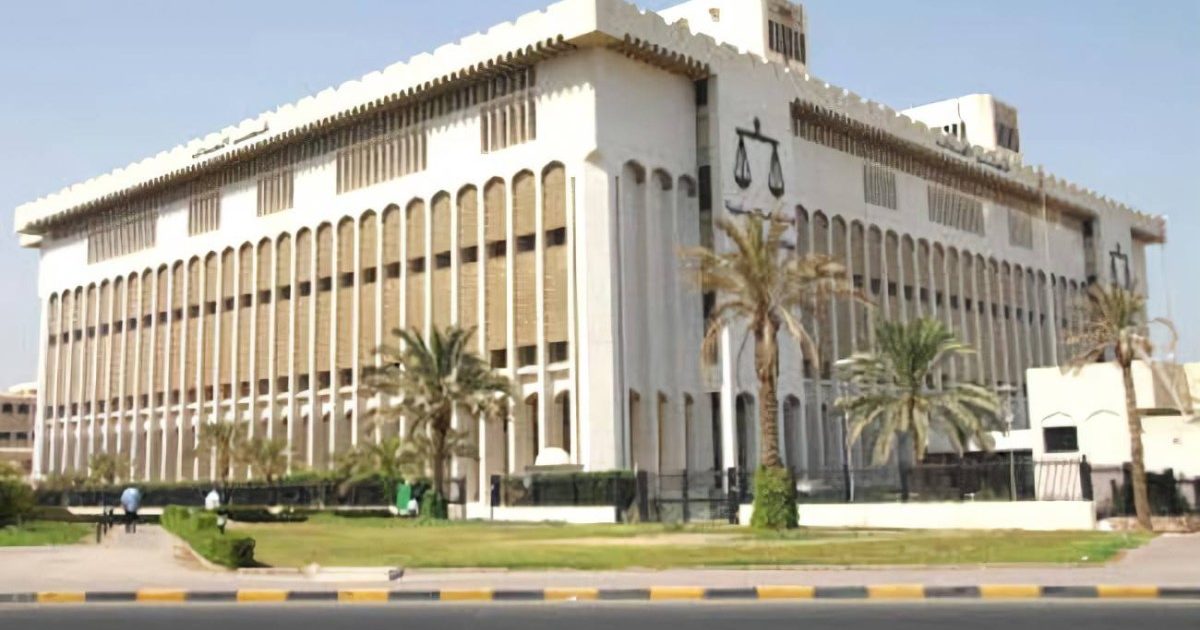
Guardianship and trusteeship are among the most consequential areas of Kuwaiti personal status law. They exist to protect those who cannot protect themselves — minors, persons with mental disabilities, and others who lack full legal capacity. Kuwaiti law establishes a rigorous framework that balances the guardian's authority with robust judicial oversight, ensuring that the interests of vulnerable individuals always come first.
Key Concepts: Wilaya, Wisaya, and Qiwama
Kuwaiti law recognizes three distinct legal regimes for the care of persons lacking full capacity:
- Wilaya (Natural Guardianship): This is the inherent legal authority of the father over his minor children. It encompasses guardianship over the person (upbringing, education, healthcare) and guardianship over property (managing and investing the minor's assets). The father is the natural guardian by operation of law, with no court appointment required.
- Wisaya (Trusteeship/Testamentary Guardianship): When the natural guardian dies, loses capacity, or is absent, a trustee (wasi) is appointed to manage the minor's affairs. The trustee may be designated by the father before his death (a chosen trustee) or appointed by the court.
- Qiwama (Curatorship): This applies to adults who have lost or lack full legal capacity due to mental illness, intellectual disability, prodigality, or recklessness. The court appoints a curator (qayim) to manage their financial affairs and protect their interests.
Natural Guardianship and Its Transfer
Under Kuwaiti law, the father is recognized as the primary natural guardian of his minor children. His authority is broad, covering both personal and financial matters, but it must always be exercised in the child's best interest.
Upon the father's death or incapacity, the law first looks for a testamentary trustee he may have designated. If no valid designation exists, the court steps in to appoint a suitable trustee. The paternal grandfather also plays a significant role in the guardianship hierarchy under Islamic jurisprudence, which informs Kuwaiti personal status legislation.
Appointment of a Trustee or Curator
The court exercises broad discretion in selecting the most suitable trustee or curator, guided above all by the ward's best interest. A person appointed to this role must meet several conditions:
- Be of full legal age and capacity.
- Be trustworthy and of good character.
- Be capable of managing the responsibilities entrusted to them.
- Have no prior convictions for offenses involving dishonesty or breach of trust.
- Have no conflict of interest or existing dispute with the ward.
The court may appoint more than one trustee where the circumstances warrant it, and it retains the power to replace or remove a trustee at any time.
Powers and Limitations of the Guardian
A trustee or curator has authority to manage and preserve the ward's property, but Kuwaiti law imposes strict limitations to prevent abuse:
- Donating, lending, or pledging the ward's assets requires prior court authorization.
- Selling or mortgaging the ward's real estate is prohibited except with judicial permission and in cases of genuine necessity.
- Borrowing in the ward's name or accepting conditional gifts requires court approval.
- The guardian must invest the ward's funds prudently and avoid speculative or high-risk ventures.
These restrictions apply equally to curators appointed over incapacitated adults, with any additional limitations the court may specify in the appointment order.
Judicial Oversight, Accounting, and Removal
Every guardian's actions are subject to thorough judicial supervision:
- Initial Inventory: Upon appointment, the trustee must conduct a comprehensive inventory of the ward's assets and submit it to the court.
- Periodic Accounting: The trustee must file regular financial reports detailing income, expenditures, and the current state of the ward's property.
- Prior Authorization: Major transactions — sales, mortgages, settlements — require the court's advance approval.
- Removal: The court may remove a guardian who breaches their duties, mismanages assets, or becomes unfit. Any interested party may petition the court for removal.
A guardian who causes harm to the ward's property through negligence or mismanagement faces civil liability for damages. In cases of embezzlement or deliberate dissipation, criminal liability may also arise.
Guardianship Over Incapacitated Adults and Temporary Guardianship
The curatorship regime extends protection to adults who lose capacity due to mental illness or psychological conditions. The court issues an interdiction order only after reviewing specialized medical reports, and then appoints a curator to handle the person's financial affairs.
Kuwaiti law also provides for temporary guardianship. Where urgent circumstances arise — such as the temporary absence of the natural guardian — the court may appoint a temporary trustee to safeguard the minor's interests until the situation is resolved.
Conflict of Interest and Mixed-Nationality Families
The law takes conflicts of interest seriously. If a guardian's personal interests conflict with those of the ward in any particular transaction, the court must appoint a special trustee to represent the ward in that matter. A guardian is strictly prohibited from transacting with themselves on behalf of the ward.
In mixed-nationality families, Kuwaiti personal status law generally governs the guardianship of minors residing in Kuwait, subject to conflict-of-laws rules. These situations can raise complex jurisdictional questions that benefit from specialized legal advice.
The Minors' Affairs Authority
The Minors' Affairs Authority (Hay'at Shu'un al-Qussar) is a specialized government body that plays a central role in protecting minors' rights in Kuwait. Its responsibilities include:
- Professionally managing and investing minors' assets.
- Safeguarding minors' property and financial rights.
- Submitting periodic reports on minors' assets to the competent courts.
- Cooperating with the judiciary in supervising trustees and curators.
- Transferring assets to the ward upon reaching the age of majority and establishing full capacity.
The Authority serves as an institutional safeguard that complements judicial oversight, ensuring transparency and accountability in the management of minors' property.
Practical Advice for Families
Families navigating guardianship matters in Kuwait should keep the following points in mind:
- Consider designating a testamentary trustee through proper legal documentation to plan for unforeseen circumstances.
- Maintain meticulous financial records of all transactions involving the ward's assets.
- Never execute significant transactions involving a minor's property without obtaining prior court authorization.
- Contact the Minors' Affairs Authority for guidance on protecting the ward's financial rights.
- Seek advice from a lawyer experienced in personal status law whenever a dispute or legal question arises.
Guardianship, trusteeship, and curatorship matters require deep legal knowledge and familiarity with Kuwaiti court procedures. If you need guidance on any aspect of these issues, the team at Yumnaak Law Firm is ready to assist with extensive experience in Kuwaiti personal status law and the protection of the rights of minors and their families.