Juvenile justice is one of the most sensitive areas of law, dealing with a vulnerable age group that requires special treatment centered on the best interests of the child and focused on rehabilitation rather than mere punishment. Kuwait has given significant attention to this area through the enactment of Law No. 111 of 2015 on Juveniles, which established a comprehensive legal framework aligned with international standards for the protection of children's rights. This article outlines the key provisions of this law and the safeguards it provides for juveniles and their families.
Age of Criminal Responsibility and Classification of Juveniles
Under Kuwaiti law, a juvenile is defined as any person who has not yet reached eighteen years of age at the time of committing the act or when found in a situation of vulnerability to delinquency. The law distinguishes between two main categories:
- Children under seven: No criminal proceedings may be brought against them. They are considered entirely exempt from criminal responsibility, and only preventive measures and social care may be applied.
- Juveniles aged seven to eighteen: They are subject to the provisions of the Juveniles Law. The penalties prescribed for adults do not apply to them; instead, special measures aimed at correction and reform are imposed.
This classification reflects Kuwait's adherence to international principles that prohibit the criminalization of children below a certain age while providing graduated treatment appropriate to the juvenile's maturity and circumstances.
The Juvenile Court: Jurisdiction and Composition
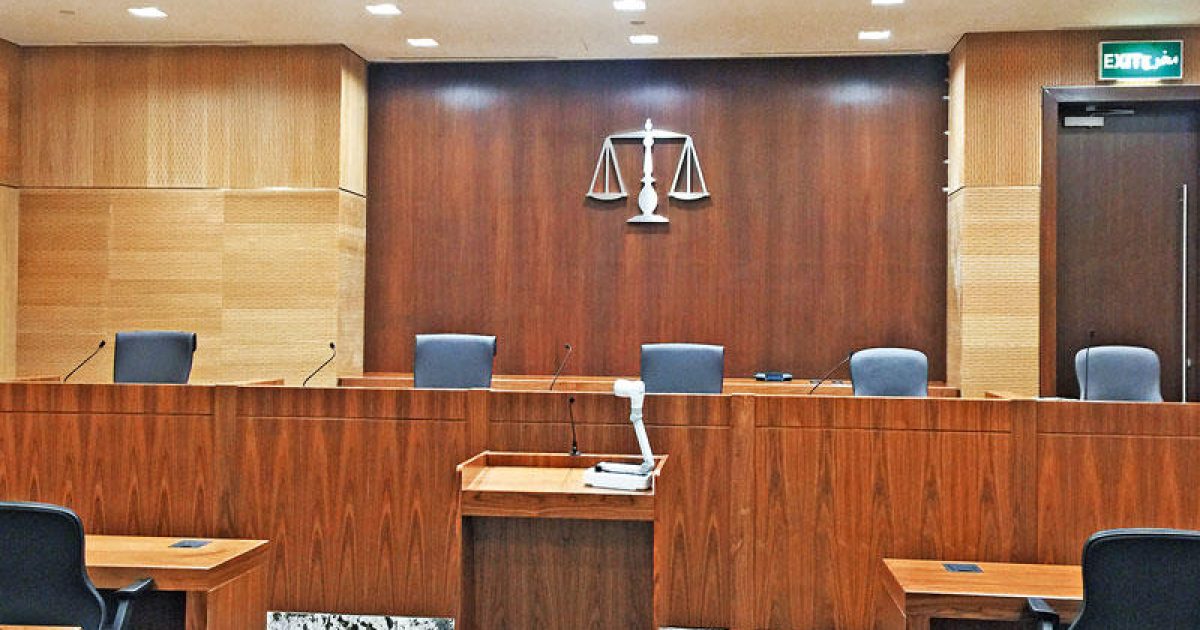
The law established a specialized court for juvenile cases with several distinctive features:
- Specialized composition: The Juvenile Court consists of qualified judges trained to handle this age group, supported by social and psychological experts who submit reports to the court.
- Comprehensive jurisdiction: The court has jurisdiction over felonies and misdemeanors committed by juveniles, as well as cases involving vulnerability to delinquency.
- Confidential proceedings: Juvenile hearings are held in closed sessions to protect the privacy and future of the child. Publication of any information that could reveal the juvenile's identity is prohibited.
- Guardian notification: The juvenile's parent or guardian must be notified of hearing dates and has the right to attend and provide observations.
Alternatives to Detention and Diversion Programs
One of the most notable aspects of Kuwait's Juveniles Law is its embrace of alternatives to detention, treating deprivation of liberty as a last resort. Key alternatives include:
- Release to a guardian: The court may hand the juvenile over to a parent or caregiver with specific undertakings.
- Judicial probation: Placing the juvenile under the supervision of a social monitor for a specified period with defined conditions.
- Vocational training: Directing the juvenile toward professional training programs to help them acquire useful skills.
- Community service: Assigning the juvenile to perform beneficial community work instead of detention.
- Placement in a care home: Used when other solutions are unavailable or when the juvenile's family environment is unsuitable.
These alternatives aim to keep the juvenile within their natural environment as much as possible and to shield them from the negative effects of incarceration.
Probation Officers' Role and Parental Responsibility
The law created the role of the probation officer (social monitor), who is assigned to follow the juvenile throughout the investigation, trial, and enforcement of measures. The officer prepares comprehensive reports on the juvenile's social and psychological condition and family environment and recommends the most appropriate measure to the court.
The law also imposes responsibilities on parents or caregivers, who may be required to fulfill specific obligations related to the proper upbringing and supervision of the juvenile. Neglect of care or failure in supervision may, in certain circumstances, lead to legal accountability for the guardian.
Detention Facilities and Rehabilitation Programs
The law explicitly prohibits placing juveniles in penal institutions designated for adults. Separate facilities exist for juvenile detention that address educational, psychological, and health needs. These facilities include rehabilitation and reintegration programs such as:
- Continuation of academic education so the juvenile's schooling is not interrupted.
- Individual and group psychological and social counseling.
- Vocational training and sports and cultural activities.
- Gradual preparation for the juvenile's return to society.
Serious Offenses, Confidentiality, and Juvenile Records
When a juvenile commits a serious crime such as a felony carrying severe penalties, the law addresses these cases with stricter measures while maintaining the rehabilitative nature of the system. The court may extend placement periods in care or observation homes as the circumstances of each case require.
The law ensures full confidentiality of all investigation and trial proceedings related to juveniles and criminalizes the publication of any data or images that could reveal a juvenile's identity. It also regulates juvenile criminal records in a manner that protects their future and prevents social stigma, allowing for the expungement of these records under specific conditions defined by law.
Protection of Child Victims and Witnesses, and International Compliance
The Juveniles Law is not limited to accused minors; it extends to protect children who are victims of or witnesses to crimes. The law provides special safeguards for these children, including being heard in an appropriate environment and, where necessary, not being directly confronted with the accused.
These provisions align with the Convention on the Rights of the Child (CRC), which Kuwait has ratified, obligating state parties to establish a specialized juvenile justice system that considers the age and circumstances of minors and seeks their reintegration into society.
Practical Advice for Families
If your child or a minor family member faces a legal issue, we recommend the following:
- Immediately retain a lawyer specializing in juvenile cases before any proceedings.
- Do not make any statements to security authorities without the lawyer present.
- Cooperate fully with the court-appointed probation officer.
- Ensure the juvenile continues their education and social activities.
- Approach the situation calmly and with understanding — the law aims to reform the juvenile, not to destroy their future.
Handling juvenile cases requires specialized legal expertise and a deep understanding of Law No. 111 of 2015 and its practical application before the Juvenile Courts. The team at Yumnaak Law Firm is pleased to provide consultation and legal representation in all juvenile matters to serve the best interests of the child and protect the family's rights. Do not hesitate to contact us for appropriate legal counsel.