Juvenile justice is one of the most sensitive areas of law, reflecting a society's commitment to protecting children while maintaining public order. Kuwait enacted Law No. 111 of 2015 concerning Juveniles, establishing a comprehensive framework for dealing with minors who commit offences or who are at risk of delinquency. Drawing on international standards — particularly the United Nations Convention on the Rights of the Child (CRC), which Kuwait has ratified — this law prioritises rehabilitation over punishment. This article provides an overview of the key provisions, court procedures, and the rights available to young offenders and their families.
Age of Criminal Responsibility and Classification of Minors
Kuwaiti juvenile law distinguishes between three categories based on the minor's age at the time the offence was committed:
- Children under 7: No criminal proceedings may be brought against them. The law conclusively presumes that a child below this age lacks the capacity to form criminal intent.
- Juveniles aged 7 to under 15: They are subject to reformative and protective measures rather than criminal penalties. Available measures range from a judicial reprimand to placement in a care institution.
- Young persons aged 15 to under 18: They may receive reduced penalties or alternative measures, depending on the gravity of the offence and the individual's personal and social circumstances.
A key principle is that the relevant age is determined at the date the offence was committed, not at the date of trial — a safeguard consistently upheld by Kuwaiti courts.
The Juvenile Court: Composition and Jurisdiction
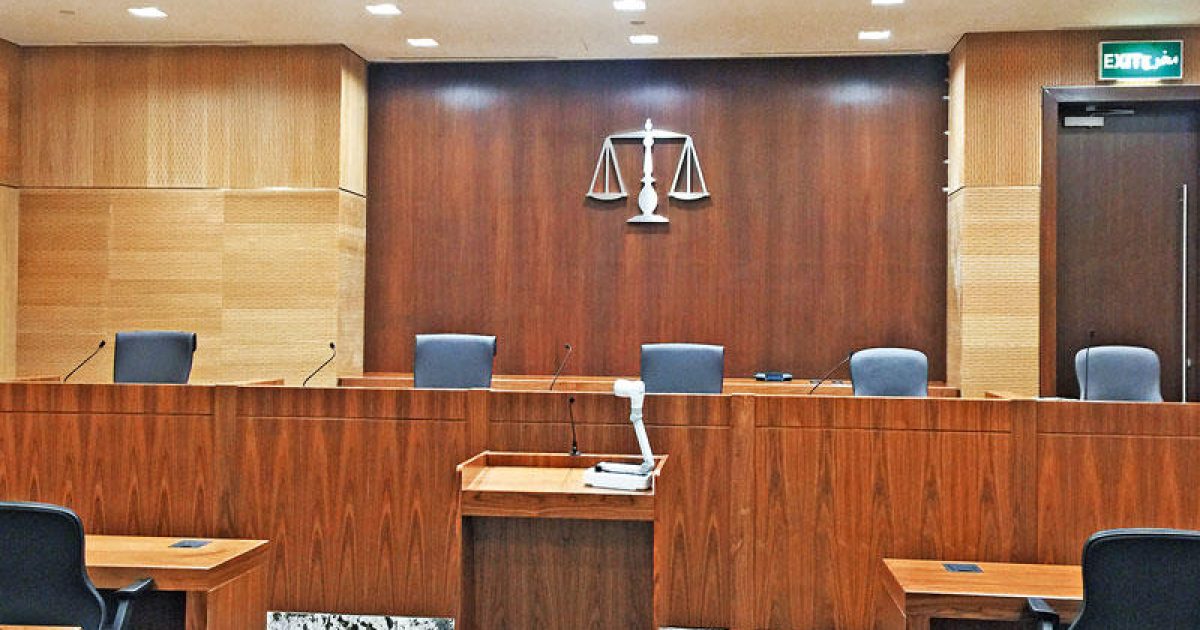
The law establishes a specialised Juvenile Court with features that set it apart from ordinary criminal courts:
- Bench composition: Cases are heard by one or more judges, with a social worker or psychologist required to attend hearings and provide reports on the juvenile's circumstances.
- Confidentiality: All proceedings are held in closed session to protect the juvenile's privacy. Publishing any information that could reveal a juvenile's identity is strictly prohibited.
- Juvenile Prosecution: A dedicated prosecution unit handles investigations involving minors, ensuring that interrogation methods are age-appropriate and psychologically sensitive.
- Broad jurisdiction: The court hears misdemeanours and felonies committed by minors, as well as cases involving children deemed at risk of delinquency.
Measures, Alternative Sanctions, and Rehabilitation
The cornerstone of Kuwait's juvenile justice system is the principle that reform and reintegration take priority over punishment. The law provides several graduated measures:
- Reprimand: A formal judicial warning cautioning the juvenile against repeating the behaviour.
- Delivery to a guardian: Returning the juvenile to a parent or legal guardian, who assumes responsibility for supervision and proper upbringing.
- Judicial probation: Placing the juvenile under the supervision of a social worker for a fixed period, with regular progress reports submitted to the court.
- Vocational training: Enrolling the juvenile in a skills-development programme to aid social reintegration.
- Placement in a care home (Dar Al-Ri'aya): Residential placement in a social care facility where the juvenile receives educational and rehabilitative programmes.
- Placement in a reformatory: Reserved for more serious cases, this involves institutional placement with continued access to education and psychological support.
The law explicitly prohibits detaining juveniles alongside adult offenders. It also bars the imposition of the death penalty or life imprisonment on any person who was under 18 at the time of the offence, in line with Kuwait's obligations under international human rights treaties.
Social Workers, Reports, and Continued Education
Social workers play a central role at every stage of the juvenile justice process:
- Social inquiry reports: Before the court determines the appropriate measure, a detailed report is prepared covering the juvenile's family background, psychological state, educational status, and social environment. This report is a key tool guiding the court's decision.
- Monitoring compliance: Social workers oversee the implementation of court-ordered measures and verify that the juvenile and the family are meeting the specified conditions.
- Rehabilitation and reintegration: After the measure concludes, support programmes help the juvenile transition back into the community, reducing the risk of reoffending.
Care institutions and reformatories are required by law to provide educational programmes so that a juvenile's schooling is not interrupted during placement. Vocational training and psychological counselling are also mandated.
Parental Responsibility and Child Protection
The law extends beyond delinquency to address children at risk due to neglect or abuse:
- Parents and guardians are legally obligated to fulfil their caregiving duties; the court may impose supervisory measures on families found to be neglectful.
- Authorities may intervene to remove a child from a harmful home environment when the child's welfare requires it.
- Any person who incites a minor to commit a crime or exploits a minor in unlawful activities faces criminal liability.
These provisions align with Kuwait's commitments under the CRC, which enshrines the principle that the best interests of the child must be the primary consideration in all proceedings affecting them.
Practical Guidance for Families
If your family is facing a legal situation involving a minor, consider the following steps:
- Engage a lawyer experienced in juvenile cases as early as possible — ideally before the investigation stage — to safeguard the minor's rights from the outset.
- Cooperate fully with social workers and the relevant authorities; this cooperation positively influences the court's assessment of the juvenile's situation.
- Attend every scheduled hearing and meeting with the Juvenile Prosecution or the court without exception.
- Provide a stable and supportive family environment — judges consider this factor heavily when deciding on an appropriate measure.
- Comply strictly with any court-ordered measure; failure to do so may lead to a more restrictive order.
Juvenile cases demand careful legal handling that balances community protection with the rehabilitation and reintegration of the young person. If you need specialised legal advice in this area, the team at Yumnaak Law Firm is ready to provide the professional support your family needs, with full confidentiality and a commitment to protecting your child's rights before the Juvenile Court.