Juvenile justice rests not on punishment but on rehabilitation. The court, the procedure and the disposal therefore differ fundamentally from adult justice — something many families do not realise, and so approach the case with the wrong instincts from the outset.
Contents
1) Who Is a Juvenile?
Kuwait's Juveniles Law governs the position of those below a defined age at the time of the act. Status is determined by age at the time of the incident, not at the time of trial.
2) Stages of Responsibility
Responsibility is graded by age as the law prescribes:
- No responsibility: below the minimum age, no charge is brought and no trial takes place.
- Diminished responsibility: rehabilitative measures rather than penalties.
- Approaching majority: mitigated penalties may be imposed under statutory conditions.
3) The Prescribed Measures
The law offers a graded range beginning with the lightest:
- Reprimand before the court.
- Delivery to the parents or guardian, on an undertaking.
- Judicial probation under the supervision of a social supervisor.
- Placement in vocational training or education.
- Imposition of obligations or prohibitions on frequenting certain places.
- Committal to a care home or reform institution — the gravest, and a last resort.
4) The Juvenile Court
Its features
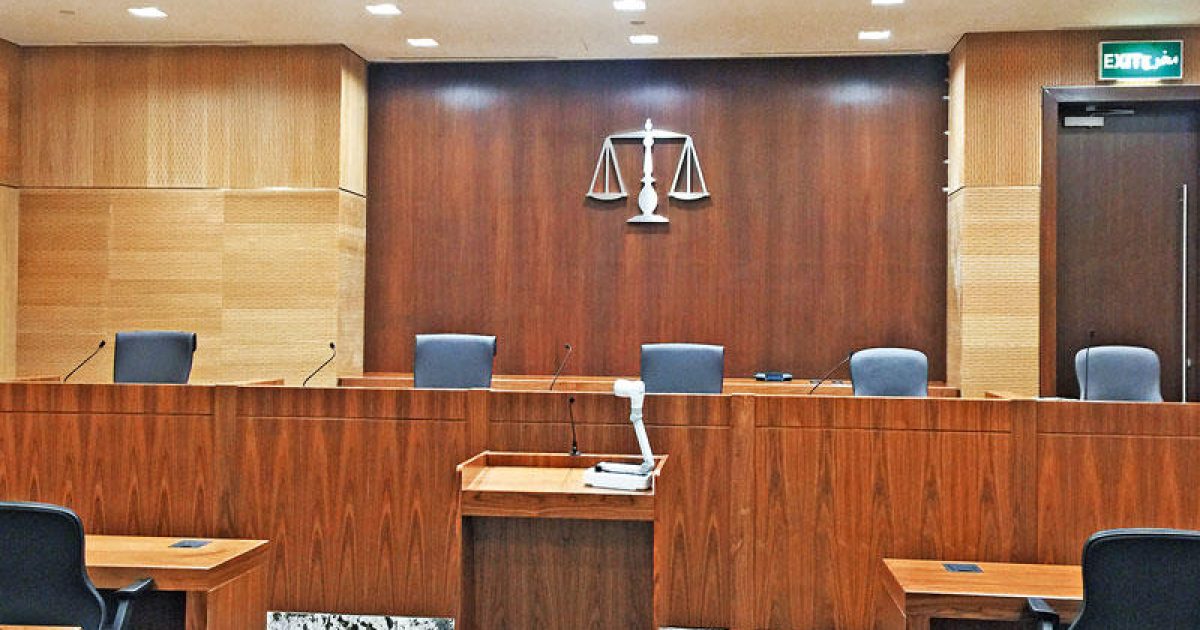
- A specialised court with a particular composition.
- Hearings are not public, to protect the child.
- Publishing the child's name or image is prohibited.
- It relies on the social supervisor's report.
The social supervisor
Prepares a report on the child's family, educational and psychological circumstances, forming an important basis for the court's choice of measure.
5) The Child's Rights During Investigation
- Presence of a guardian or their representative.
- Assistance of a lawyer, mandatory in serious offences.
- Never being detained with adults.
- Treatment preserving dignity and appropriate to age.
- Confidentiality of proceedings and a publication ban.
- Medical and psychological examination where needed.
6) Children at Risk of Delinquency
The law intervenes before any offence where a child's environment endangers them, including:
- Begging, vagrancy, or association with delinquents.
- Unexplained withdrawal from education.
- Serious neglect by the person responsible for their care.
- Presence in an environment exposing them to danger.
7) Parental Liability
- Civil liability for damage the child causes to others, under the rules governing those charged with supervision.
- An obligation to implement the measure and follow up on the child.
- Liability for serious neglect of care where the law so provides.
- An obligation to attend before the competent authorities.
8) Practical Guidance
If a child is detained
- Attend immediately; never leave the child alone.
- Insist a lawyer attends before any questioning.
- Do not let the child sign what has not been read and understood.
- Verify they are not held with adults.
Building the file
- Gather evidence of school attendance and conduct.
- Cooperate with the social supervisor.
- Present a realistic family follow-up plan.
- Seek the lightest measure and show why it will work.