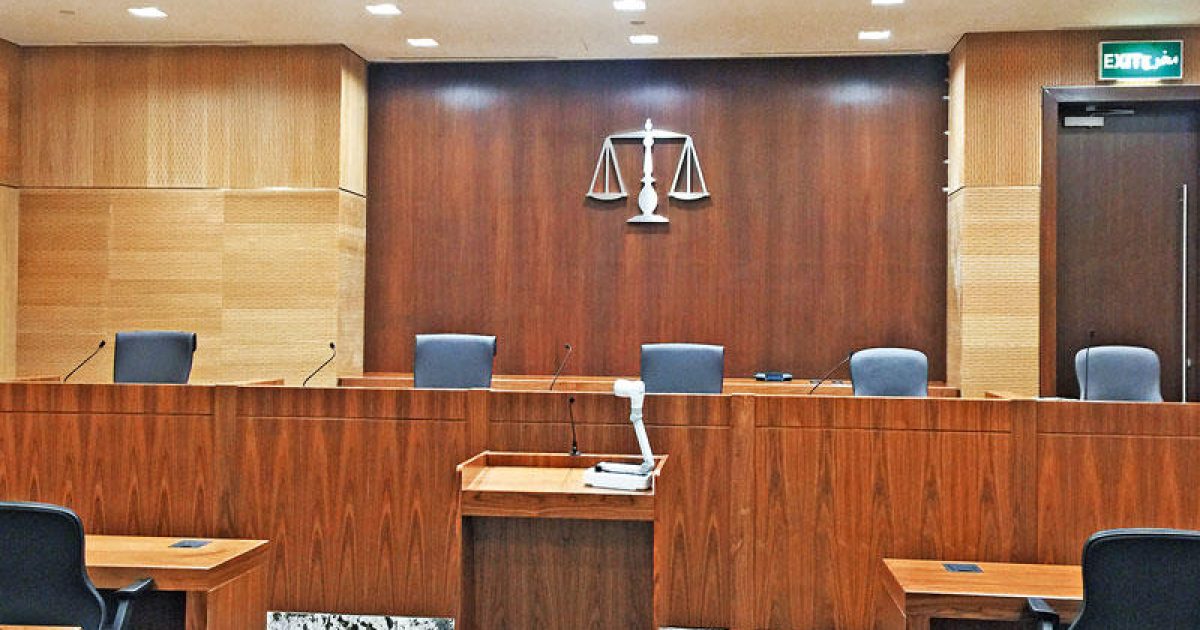
Kuwaiti law provides a comprehensive framework of rights and protections for any person accused of committing a crime, from the moment of arrest through to final judgment. These safeguards are designed to strike a balance between society's interest in prosecuting crime and the individual's right to dignity and liberty, preventing any abuse of authority during criminal proceedings.
This article outlines the key rights of the accused during investigation and interrogation under Kuwaiti legislation, along with guidance on what to do if those rights are violated.
The Presumption of Innocence
The presumption of innocence is one of the most fundamental constitutional principles enshrined in the Kuwaiti Constitution. It provides that an accused person is presumed innocent until proven guilty by a final court judgment. The burden of proof falls on the prosecution, not the accused — meaning that the accused is never required to prove their innocence.
This principle also means that any doubt regarding the evidence must be resolved in favor of the accused, and that treatment throughout the investigation must reflect the fact that the person has not yet been convicted.
Right to Legal Counsel from the First Moment
Kuwaiti law guarantees the accused the right to retain a lawyer from the moment of arrest. No security or investigative authority may deny this right. Key aspects include:
- Choice of counsel: The accused has the freedom to choose their own lawyer. In felony cases where the accused cannot afford representation, the court must appoint one.
- Presence during interrogation: In felony cases, the accused may not be interrogated without their lawyer present, except in cases of flagrante delicto or urgent circumstances where evidence may be lost.
- Access to the case file: The defense lawyer is entitled to review all investigation documents and evidence related to the charges.
Right to Silence and to Be Informed of the Charges
The accused has the fundamental right to remain silent and refuse to answer any questions during interrogation. Exercising this right cannot be treated as evidence of guilt or held against the accused in any way. No form of coercion may be used to extract a confession or statements that could harm the accused's legal position.
Furthermore, the accused must be clearly and specifically informed of the charges against them before any interrogation begins, allowing them to prepare an effective defense. An interrogation conducted without properly informing the accused of the charges may be deemed invalid.
Limits on Arrest and Pretrial Detention
Kuwaiti law places strict limits on arrest and detention procedures to protect individual liberty:
- Police detention limit: The police may not hold any person for more than 48 hours without presenting them to the Public Prosecution. This period includes weekends and public holidays.
- Role of the Public Prosecution: The Public Prosecution conducts criminal investigations and has the authority to order pretrial detention for a specified and renewable period, provided there are legitimate legal grounds such as flight risk, potential interference with the investigation, or evidence tampering.
- Judicial oversight: Pretrial detention is subject to judicial review, and extensions beyond a certain period require a court order.
Prohibition of Torture and Coercion
Kuwaiti law absolutely prohibits all forms of torture, cruel treatment, or degrading treatment of the accused. Any confession or statement obtained through physical or psychological coercion is considered void and inadmissible as evidence in court. This prohibition covers:
- Physical assault or harm in any form.
- Threats, intimidation, or promises of benefits in exchange for a confession.
- Deprivation of sleep, food, or medical care.
- Prolonged isolation or arbitrary solitary confinement.
The accused also has the right to request a medical examination at any time during detention to document their physical condition. Refusal of this request constitutes a serious violation.
Bail and Release Procedures
Pretrial detention is an exceptional measure, not a punishment. The accused or their lawyer may request release at any stage of the investigation. Release may be granted:
- On financial bail: A sum determined by the competent authority is deposited as a guarantee of the accused's appearance when required.
- On personal guarantee: Another person undertakes to ensure the accused's attendance when summoned.
- Without bail: In certain cases, the accused may be released without financial conditions, subject to an obligation to appear when summoned.
The Public Prosecution must order the release of the accused once the grounds for pretrial detention no longer exist.
Conditions of Pretrial Detention
Kuwaiti law regulates the conditions of pretrial detention to preserve the dignity of the accused who has not yet been convicted. Key requirements include:
- Separation of pretrial detainees from convicted prisoners.
- Humane conditions regarding space, ventilation, and lighting.
- The right to communicate with family and legal counsel.
- The right to receive necessary medical care.
- The right to file complaints about detention conditions.
What to Do If Your Rights Are Violated
If an accused person's rights are violated during investigation or interrogation, several steps can be taken:
- Immediately inform your lawyer of any violation during the investigation or detention.
- Request a medical examination to document any injuries or signs of mistreatment.
- File a formal complaint with the Public Prosecution or the relevant oversight authority.
- Challenge the validity of any procedure or evidence obtained in violation of the law before the court.
- Engage a lawyer specializing in criminal law to follow up on procedures and protect your rights.
Conclusion
The rights of the accused during investigation and interrogation are not a luxury — they are a cornerstone of any fair justice system. Kuwaiti law provides a comprehensive set of protections to shield the accused from any abuse while maintaining society's right to fair and effective prosecution.
If you are facing a criminal investigation or a family member has been arrested, acting quickly and retaining experienced legal counsel is the most important step in protecting your rights. The team at Yumnaak Law Firm is ready to provide specialized legal advice and stand by your side throughout every stage of investigation and trial to ensure your rights are fully preserved.