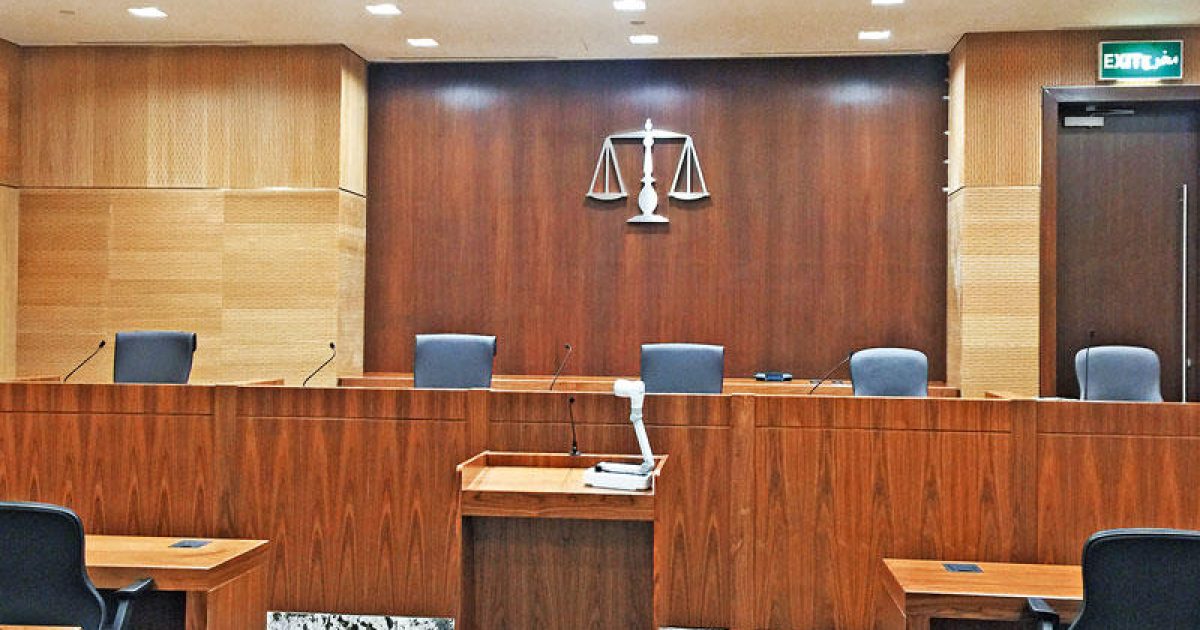
Witness and whistleblower protection is a cornerstone of Kuwait's justice system, ensuring the safety of those who testify in court or report corruption, and encouraging reporting without fear of retaliation. This framework is governed by several statutes, most notably the Criminal Procedures Law and the Anti-Corruption Authority (Nazaha) Law.
• Witness protection is a state obligation, not a privilege
• Good-faith whistleblowers enjoy legal immunity from prosecution
• Retaliation against witnesses or whistleblowers is a criminal offense
• Nazaha (the Anti-Corruption Authority) is the designated body for receiving corruption reports
• Whistleblower identity is legally protected as confidential
Table of Contents
- Legal Concept of Witness & Whistleblower Protection
- Legislative Framework in Kuwaiti Law
- Witness Rights and Guarantees
- Whistleblower Protection — Nazaha Law
- Protection Mechanisms and Confidentiality
- Retaliation and Intimidation Offenses
- Testimony in Major Crimes
- Comparison with International Conventions
- Practical Application and the Lawyer's Role
1. Legal Concept of Witness & Whistleblower Protection
Witness protection encompasses the legal and administrative measures that ensure the safety of individuals who testify in judicial proceedings — whether criminal or civil — from any assault, pressure, or threat arising from their testimony.
A whistleblower, by contrast, is any person who voluntarily reports a crime, violation, or administrative or financial corruption to the competent authorities. The key distinction is that witnesses are called upon to share what they observed or know, while whistleblowers proactively come forward with information.
Protection measures include: non-disclosure of identity, physical protection when necessary, immunity from criminal prosecution for good-faith whistleblowers, and protection against wrongful dismissal or retaliatory workplace actions.
2. Legislative Framework in Kuwaiti Law
Witness and whistleblower protection in Kuwait rests on several legislative sources:
Kuwait has also ratified the United Nations Convention Against Corruption, which obliges states to provide effective protection for whistleblowers and witnesses.
3. Witness Rights and Guarantees
Under Kuwaiti law, witnesses enjoy several rights and guarantees:
• Right to refuse self-incriminating testimony
• Right to refuse testimony that may implicate a spouse or relatives up to the fourth degree
• Protection from threats or harm due to testimony
• Right to legal counsel during testimony
• Right to compensation for damages arising from testimony
• Appear before the court or investigative authority when summoned
• Take an oath before testifying
• Tell the truth without addition or omission
• Maintain investigation confidentiality
• Cooperate with law enforcement agencies
4. Whistleblower Protection — Nazaha Law
Through Law No. 2 of 2016, the Kuwaiti legislature established the Kuwait Anti-Corruption Authority (Nazaha) and tasked it with receiving reports and complaints related to corruption crimes. The law explicitly provides for whistleblower protection.
Protections granted to whistleblowers include:
- Identity Confidentiality: The whistleblower's identity may not be disclosed except with their consent or by court order
- Prosecution Immunity: No criminal action may be brought against a good-faith whistleblower even if the reported facts prove unsubstantiated
- Employment Protection: The whistleblower may not be dismissed, arbitrarily transferred, or denied promotion because of their report
- Physical Protection: Security escorts are provided when genuine threats of harm exist
5. Protection Mechanisms and Confidentiality
Kuwait's system provides several mechanisms for protecting witnesses and whistleblowers:
Complete Confidentiality: Nazaha and the Public Prosecution are obligated not to disclose the data of the whistleblower or witness at any stage of investigation or trial, unless necessary for defense rights.
Remote Testimony: Courts may allow witnesses to testify via video communication technology in serious crimes to avoid direct confrontation with the accused.
Security Protection: The Ministry of Interior provides personal protection for witnesses or whistleblowers when genuine threats of harm are established.
Identity Changes: In exceptional cases, temporary identity documents may be issued or the witness may be relocated to a secure location.
6. Retaliation and Intimidation Offenses
Kuwaiti law criminalizes any act of retaliation or intimidation directed against witnesses or whistleblowers:
Retaliation offenses include:
- Threats of physical or psychological harm
- Actual assault on the witness or their family
- Wrongful dismissal from employment
- Defamation or damage to reputation
- Deprivation of employment or financial rights
The victim being a witness or whistleblower constitutes an aggravating circumstance for sentencing.
7. Testimony in Major Crimes
Witness protection takes on heightened importance in major crimes such as money laundering, terrorism, human trafficking, and drug offenses, where witnesses face greater pressures and risks.
The legislature has provided enhanced protection measures for these crimes, including:
- Option to omit the witness's name from case files and replace it with a code
- Permission to testify behind a screen or via closed-circuit television
- Comprehensive protection programs extending beyond the trial
- Possibility of witness relocation in cases of severe danger
8. Comparison with International Conventions
• UN Convention Against Corruption (2003) — Article 33
• Convention Against Transnational Organized Crime (Palermo) — Article 24
• Arab Anti-Corruption Convention (2010)
• Financial Action Task Force (FATF) Recommendations
• Ratified the Anti-Corruption Convention in 2007
• Established Nazaha in fulfillment of international obligations
• Working to develop the witness protection framework
• Subject to the UN periodic review mechanism
9. Practical Application and the Lawyer's Role
Lawyers play a pivotal role in activating the witness and whistleblower protection framework:
- Guidance: Directing the whistleblower to file their report correctly through proper channels
- Ensuring Confidentiality: Verifying that investigative authorities maintain the client's identity confidentiality
- Requesting Protection: Filing formal protection requests with the prosecution or court
- Challenging Retaliation: Filing annulment actions against any disciplinary or administrative decision taken as retaliation
- Seeking Compensation: Bringing compensation claims for material and moral damages resulting from retaliation
© Yumnaak Law Firm — YLF.com.kw | Information provided for legal education purposes and does not substitute professional legal advice.