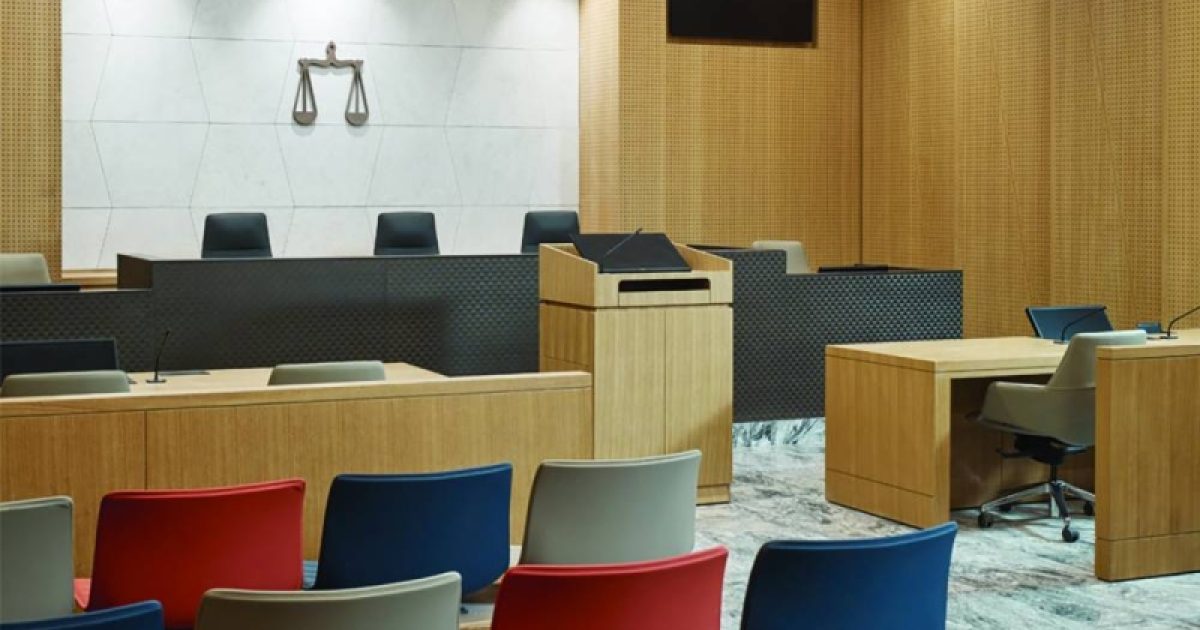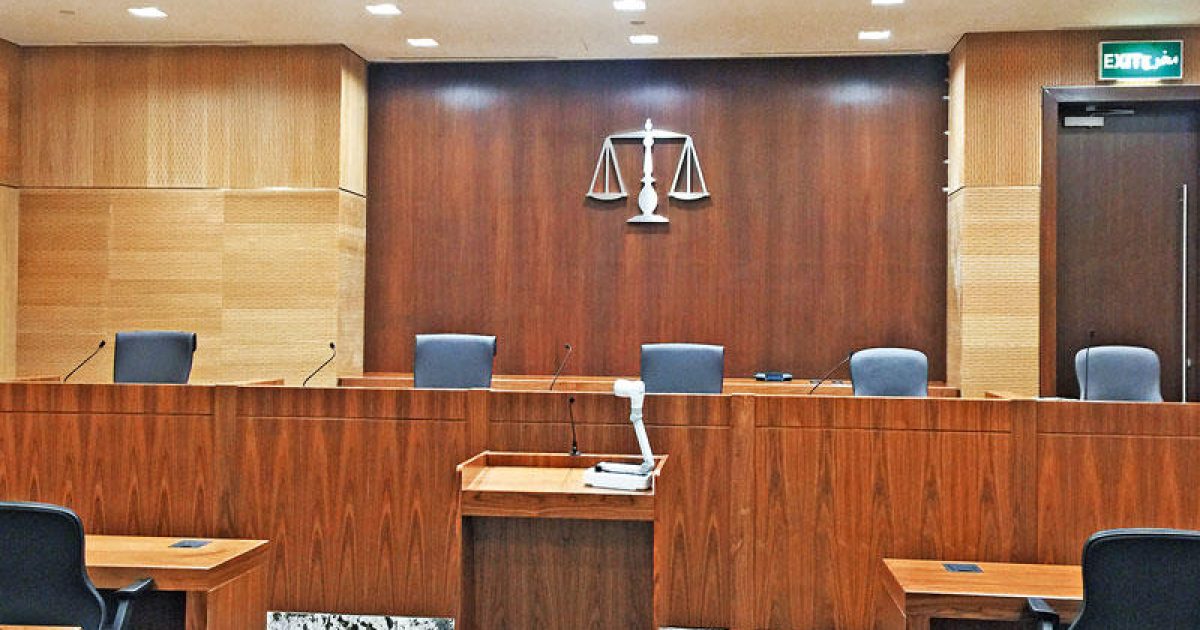
Witness testimony is one of the oldest and most important means of proof in the Kuwaiti legal system. It serves as a fundamental pillar upon which courts rely in forming their convictions and reaching the truth. The Kuwaiti legislature has meticulously regulated witness testimony across several statutes, most notably the Evidence Law in Civil and Commercial Matters No. 39 of 1980, the Civil and Commercial Procedure Code, the Criminal Procedure Code No. 17 of 1960, and the Penal Code No. 16 of 1960. This article provides a comprehensive guide to the rules, procedures, and implications of witness testimony in Kuwait.
Legislative Framework
Witness testimony in Kuwait draws its legal regulation from an integrated legislative framework:
- Evidence Law No. 39 of 1980: The primary reference governing witness testimony as a means of proof in civil and commercial proceedings, specifying the conditions for its admissibility and the restrictions imposed upon it.
- Civil and Commercial Procedure Code: Contains the procedural rules for hearing and examining witnesses before civil courts.
- Criminal Procedure Code No. 17 of 1960: Regulates the hearing of witnesses in criminal cases, including investigation and trial procedures and the safeguards afforded to the accused.
- Penal Code No. 16 of 1960: Criminalizes perjury and subornation of perjury, establishing the applicable penalties.
- The Kuwaiti Constitution: Guarantees the right of defense and the presumption of innocence, which directly impact the accused's right to cross-examine prosecution witnesses and present defense witnesses.
Admissibility of Witness Testimony
Witness testimony is defined as a person's statement before the court regarding facts they have personally perceived that relate to the subject matter of the dispute. Kuwaiti law establishes specific rules governing when oral testimony is admissible:
Value threshold in civil matters: As a general rule, witness testimony is not admissible to prove legal transactions in civil cases when their value exceeds the statutory threshold. In such cases, written documentary evidence is required. This restriction aims to protect parties and ensure stability in high-value transactions.
Cases where testimony is admissible regardless of value:
- Commercial obligations: These may be proven by all means of evidence, including testimony, given the nature of commercial transactions that rely on speed and credit.
- Commencement of proof in writing: When there exists a written document that makes the claim probable, the court may permit completion of proof through witness testimony.
- Material or moral impediment: When circumstances prevented obtaining written evidence, such as family relationships or exceptional situations.
- Loss of written instrument: When the creditor lost their written document due to causes beyond their control, such as fire or theft.
- Material facts: Facts such as trespass, damage, possession, and tortious acts may be proven by testimony regardless of value, as they are not legal transactions.
Criminal matters: The principle of free proof prevails, allowing crimes to be established through all means of evidence including witness testimony. The criminal judge is not bound by any monetary threshold and evaluates testimony based on personal conviction.
Witness Competence and Requirements
Kuwaiti law requires certain conditions to be met for a witness's testimony to be admissible:
- Mental capacity: The witness must be capable of understanding the facts they testify about and comprehending the meaning and obligations of testimony.
- Age of majority: Generally, the witness must have reached the age of legal majority. However, the law permits hearing the testimony of minors who have reached a certain age for informational purposes without administering the oath, leaving it to the court to assess its reliability.
- Sound senses: The witness must possess sound faculties relevant to the fact being testified about.
- Absence of bias: A party may challenge a witness's testimony if the witness has a relationship of kinship or interest with one of the parties that raises doubt about their impartiality.
Testimony of minors: Kuwaiti courts treat the testimony of children and minors with particular caution. They may be heard for informational purposes without taking the oath, and the court assesses the child's perception, maturity, and ability to distinguish between truth and imagination. Their testimony is not treated as full testimony given by an adult after being sworn in.
Oath Requirements and Examination Procedures
Kuwaiti law requires the witness to take the legal oath before giving testimony, to ensure truthfulness and to remind the witness of the gravity of lying before the court and the criminal liability it entails. The oath formula is: "I swear by Almighty God that I will tell the truth and nothing but the truth." Testimony given without the oath is considered merely informational and does not rise to the level of full testimony.
Examination procedures:
- Summons and attendance: The witness is summoned to appear before the court on the designated date and is obligated to attend under penalty of sanctions that may include fines or compulsory attendance.
- Examination-in-chief: The party who called the witness begins by directing questions to elicit the facts sought to be proven. Questions must be clear and non-leading.
- Cross-examination: The opposing party has the right to examine the witness to test their truthfulness and the accuracy of their information, and to reveal any contradictions or weaknesses in their testimony. Cross-examination is a fundamental right of defense that may not be denied.
- Questions by the court: The court may on its own initiative direct any questions it deems necessary to clarify the testimony or complete unclear aspects.
- Recording of testimony: The testimony is recorded in the session minutes by the court clerk, and the witness signs after the testimony is read back and verified for accuracy.
Hostile witnesses: If it becomes apparent that a witness called by one party has turned against that party and given testimony contrary to what was expected, the calling party may request the court to treat the witness as hostile, permitting leading questions and confrontation with prior inconsistent statements.
Exemptions and Privileges
The Kuwaiti legislature has established protections for certain relationships and professional secrets by prescribing cases where a person is prohibited from or exempted from testifying:
- Professional privilege: Professionals who have access to others' secrets by virtue of their profession — such as lawyers, doctors, and accountants — may not disclose these secrets through testimony unless authorized by the secret's owner or where the law mandates disclosure in specific cases.
- Spousal privilege: The law provides special protection for the marital relationship; one spouse generally cannot be compelled to testify against the other in certain circumstances, to preserve the family unit.
- Family relationships: The court may hear testimony from relatives for informational purposes in some cases, taking into account the degree of kinship and its effect on the witness's impartiality.
- Privilege against self-incrimination: The Kuwaiti Constitution and law guarantee the right against self-incrimination. No person may be compelled to give testimony that could lead to their criminal conviction, and this is considered a fundamental constitutional guarantee.
Expert Witnesses vs. Fact Witnesses
Kuwaiti law distinguishes between fact witnesses and expert witnesses:
- Fact witnesses testify about what they perceived through their own senses and may not offer personal opinions or conclusions.
- Expert witnesses are specialists appointed by the court or requested by the parties to provide opinions on technical matters requiring specialized knowledge beyond the judge's expertise. The expert submits a written report presenting their findings and professional opinion, and may be summoned to discuss the report before the court.
It is important to note that the expert's opinion is not binding on the court, which may adopt it in whole or in part, or disregard it entirely if it finds it inconsistent with the circumstances and evidence of the case, provided the court states its reasons.
Corroboration, Hearsay, and Written Statements
Corroboration: In certain cases, particularly criminal ones, the court may require a witness's testimony to be corroborated by independent supporting evidence, especially when the testimony is sole or comes from a witness whose credibility warrants caution.
Hearsay evidence: Direct testimony — what the witness perceived personally — is the standard. Hearsay testimony, where a witness reports what they heard from another person, has limited evidentiary value. In civil matters, it may be accepted in narrow circumstances, while in criminal matters it is subject to the judge's assessment under the principle of personal conviction and is generally insufficient alone to sustain a conviction.
Written vs. oral testimony: The default under Kuwaiti law is that testimony is given orally before the court, allowing the judge to observe the witness's demeanor and assess credibility. However, the law permits written statements in exceptional cases, such as when the witness cannot attend due to illness, travel, or being outside the court's jurisdiction.
Perjury: Criminalization and Penalties
The Kuwaiti legislature has given considerable attention to combating perjury due to its grave impact on the administration of justice:
- Definition: Perjury is the deliberate giving of false statements or concealment of material facts by a witness after taking the legal oath before a competent judicial authority.
- Penalties: The Kuwaiti Penal Code prescribes penalties for perjury that vary according to the type of case in which the false testimony was given. Penalties are more severe in criminal cases, particularly when the false testimony leads to the conviction of an innocent person or the acquittal of a guilty party in a felony. Penalties are also aggravated when the witness received financial compensation for the false testimony.
- Exemption from penalty: A perjurer may be exempted from punishment if they retract their false testimony and tell the truth before the judgment is rendered in the original case and before being reported, as an incentive to return to the truth.
Subornation of perjury: Criminalization extends beyond the lying witness to include anyone who incites, induces, or persuades another to give false testimony by any means, whether the perjury actually occurs or not. The instigator faces penalties that may equal those of the perjurer.
Constitutional Protections in Criminal Cases
Testimony in criminal cases carries particular significance due to the gravity of its consequences, and is surrounded by numerous constitutional and legal safeguards:
- Presumption of innocence: The accused is presumed innocent until proven guilty by a final judicial ruling, and the burden of proof rests with the prosecution.
- Right to confront witnesses: The law guarantees the accused the right to confront and cross-examine prosecution witnesses, a fundamental defense right whose violation may render proceedings void.
- Right to counsel: The accused has the right to legal representation during witness hearings, and in felony cases the presence of a lawyer is mandatory.
- Right to call defense witnesses: The accused may request the hearing of defense witnesses who can help refute or mitigate the prosecution's evidence.
- Prohibition of coercion: Kuwaiti law prohibits all forms of physical or psychological coercion to obtain testimony, and testimony extracted under duress is void.
Remote Testimony and Modern Developments
The Kuwaiti judicial system has undergone notable modernization in recent years with the adoption of technology in litigation procedures:
- Video testimony: Kuwaiti courts have begun utilizing video conferencing technology to hear witnesses in certain cases, particularly when the witness cannot physically attend court for legitimate reasons.
- Witness protection: Kuwaiti law ensures necessary protection for witnesses, especially in serious criminal cases. Courts may take measures to protect a witness's identity or safety when circumstances require it.
- Electronic recording: Courts are increasingly relying on electronic recording of witness hearing sessions, enhancing documentation accuracy and facilitating review of testimony upon appeal.
Practical Guidance for Witnesses and Litigants
- For witnesses: Commit to truthfulness and precision in your testimony, and confine yourself to what you know personally without adding conclusions or opinions. Attend at the designated time and respect court procedures, and remember that perjury is a criminal offense.
- For litigants: Select your witnesses carefully from those with direct knowledge of the relevant facts, and ensure there are no legal impediments to accepting their testimony. Prepare your questions precisely with your lawyer before the witness hearing session.
- Legal preparation: Consult a specialized lawyer to assess whether proof by testimony is permissible in your case and whether the law requires alternative or supplementary documentary evidence.
Witness testimony is a powerful tool in Kuwait's justice system, but it is subject to precise rules and requirements that must be understood and observed. Whether you are a witness or a party to a dispute, a proper understanding of the rules governing testimony helps protect your rights and ensures the proper administration of justice. For further consultation and legal guidance regarding your cases, do not hesitate to contact the team at Yumnaak Law Firm for specialized advice tailored to your circumstances.