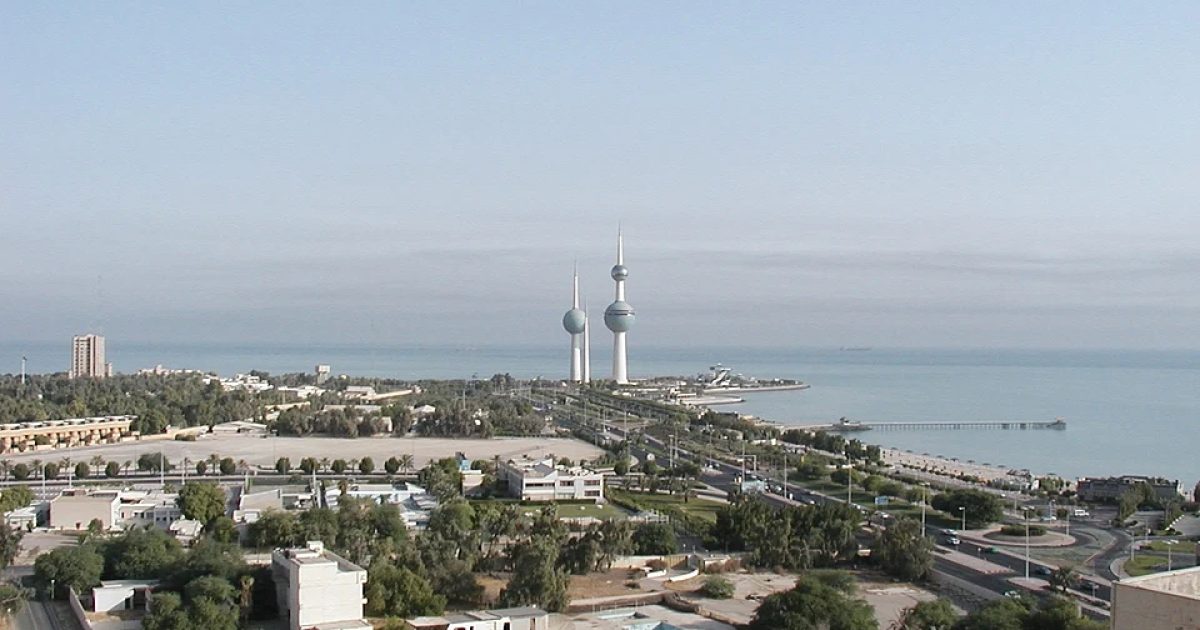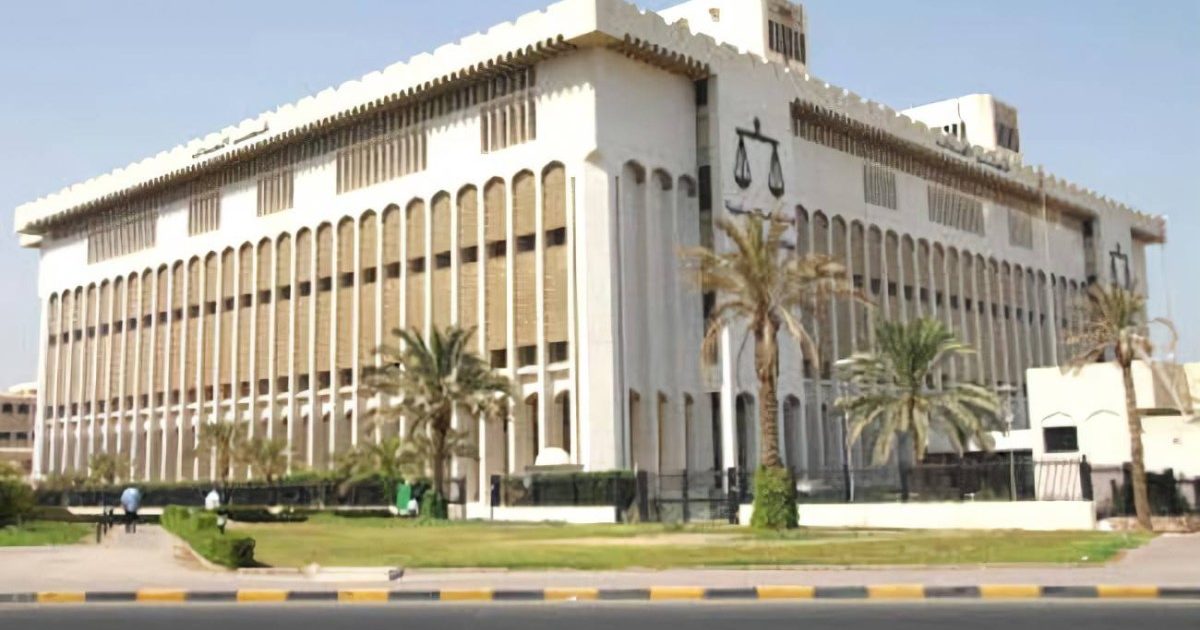
Kuwait's Capital Markets Authority (CMA) is the regulatory and supervisory body responsible for overseeing the securities market, protecting investors, and combating market manipulation and insider trading. Established under Law No. 7 of 2010, the CMA represents a transformative shift in Kuwait's financial market regulation.
• The CMA is an independent body with legal personality
• The law regulates securities issuance, trading, and disclosure
• Insider trading is punishable by imprisonment and fines
• Small investors are protected from manipulation and fraud
• Boursa Kuwait is a shareholding company under CMA oversight
Table of Contents
1. Establishment and Jurisdiction of the CMA
The Capital Markets Authority was established under Law No. 7 of 2010 concerning the establishment of the Capital Markets Authority and the regulation of securities activities, replacing the Kuwait Stock Exchange Committee that previously operated under the Ministry of Commerce.
The CMA enjoys financial and administrative independence and is supervised by the Minister of Commerce and Industry. A board of five commissioners manages the authority.
CMA jurisdiction includes:
- Regulating and overseeing securities activities
- Protecting investors and strengthening market confidence
- Issuing regulations and regulatory decisions
- Licensing registered persons (brokers, portfolio managers, advisors)
- Monitoring trading operations and detecting violations
- Cooperating with local and international regulatory bodies
2. Law No. 7 of 2010 — Legislative Framework
The law contains several main sections:
• Definitions and terminology
• Establishment and organization of the CMA
• Board of Commissioners' jurisdiction
• Independence and legal personality
• Exchange and clearing company regulation
• Licensing and registration
• Disclosure and transparency rules
• Offenses and penalties
The executive regulations were subsequently issued, detailing trading, disclosure, and listed company governance requirements.
3. Regulation of Boursa Kuwait
Boursa Kuwait is a closed Kuwaiti shareholding company that operates and manages the securities market. It transformed from a government entity to a private company as part of the exchange privatization plan.
Exchange regulation encompasses:
- Listing Rules: Requirements for listing securities on the Premier Market and Main Market
- Trading Mechanisms: Electronic trading system, price change units, and trading hours
- Clearing & Settlement: Managed by the Kuwait Clearing Company, which guarantees transaction completion
- Market Makers: Licensed persons authorized to provide liquidity in specific securities
The exchange is subject to CMA oversight, which has the authority to halt trading and delist any non-compliant security.
4. Disclosure and Transparency
The law requires listed companies to disclose their financial and material information to ensure market transparency:
Disclosure requirements include:
- Quarterly and audited annual financial statements
- Material events (major contracts, lawsuits, management changes)
- Related-party transactions
- Annual corporate governance report
- Board members' disclosure of their holdings and trades
5. Investor Protection
The CMA law provides several mechanisms for investor protection:
Investor Protection Fund: Established to compensate investors in case of broker bankruptcy or inability to meet obligations.
Client Asset Segregation: Brokers are prohibited from commingling their own funds with client funds; client assets are held in separate accounts.
Suitability Rules: Brokers must assess the suitability of an investment product for the client's experience and financial condition before executing orders.
Right to Complain: Any investor may file a complaint with the CMA against any licensed person, and the CMA is obligated to investigate.
6. Market Crimes — Manipulation & Insider Trading
The law criminalizes several acts that undermine market integrity:
Market crimes include:
- Insider Trading: Exploiting undisclosed material information for trading or disclosing it to others
- Price Manipulation: Conducting fictitious or sham transactions to move prices
- Disseminating Misleading Information: Spreading rumors or false statements that affect the market
- Unlawful Influence: Collusion among traders to control the price of a security
7. Licensing and Broker Oversight
Securities activities in Kuwait may only be conducted under a CMA license. Licensed activities include:
• Securities brokerage
• Investment portfolio management
• Investment advisory
• Securities custody
• Investment fund management
• Sufficient capital based on activity type
• Qualified and registered personnel
• Internal control and risk management systems
• Professional liability insurance
• Anti-money laundering compliance
8. Penalties and Sanctions
Penalties under the CMA law range from administrative sanctions to criminal punishments:
Administrative Sanctions: Warning, administrative fine (up to KD 100,000), license suspension, license revocation, market dealing ban.
Criminal Penalties: Imprisonment and fines for insider trading, manipulation, and dissemination of misleading information, plus confiscation of profits derived from the offense.
9. The Lawyer's Role in Securities Disputes
Specialized capital markets lawyers provide diverse services:
- Defense Before the CMA: Representing the accused before the CMA's Dispute Resolution Committee
- Challenging Decisions: Appealing CMA administrative decisions before the Court of Appeal
- Compensation Claims: Claiming compensation from brokers or listed companies for investor losses
- Regulatory Advisory: Assisting companies in complying with disclosure and governance requirements
- Acquisition Transactions: Legal counsel on mandatory and voluntary tender offers
© Yumnaak Law Firm — YLF.com.kw | Information provided for legal education purposes and does not substitute professional legal advice.