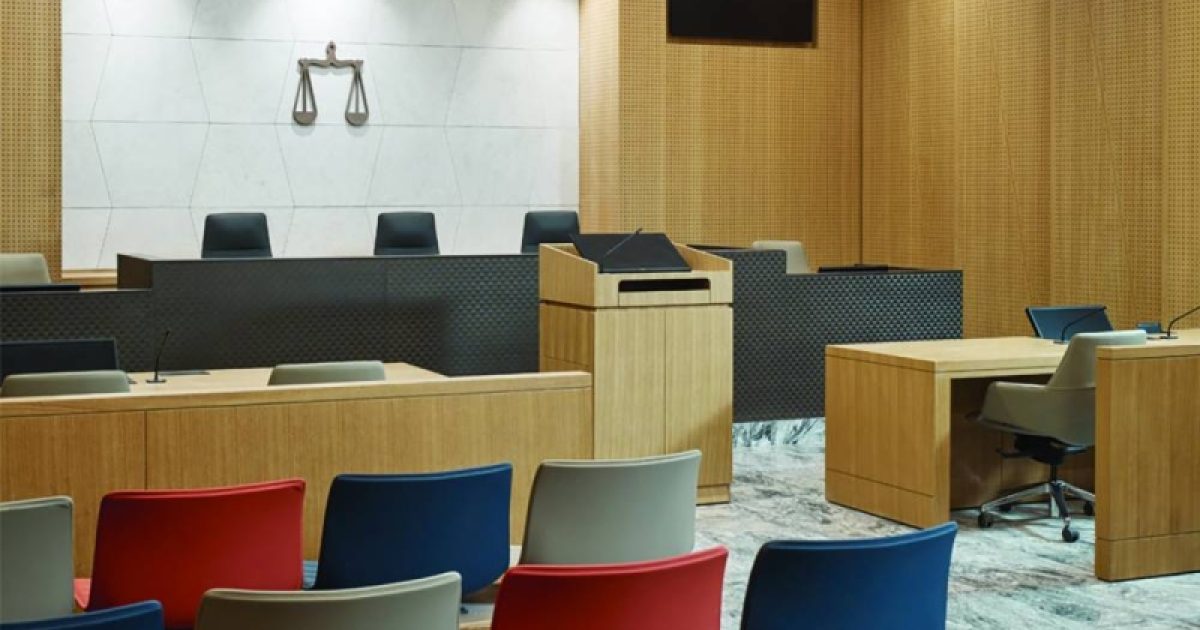
The general rule is that every person is responsible for their own acts — but the Kuwaiti Civil Code requires, in specified cases, one person to compensate damage caused by another. This liability is not punishment — it is a guarantee for the injured party.
Presumed liability: in most cases of vicarious liability the injured party does not need to prove the responsible party's fault — fault is presumed and the burden of rebuttal falls on the responsible party.
Contents
1) The General Principle
Vicarious liability is a form of tortious liability that takes three main forms:
- Employer's liability for subordinates' acts (employer for employee).
- Custodian's liability (parent for minor, teacher for pupil).
- Keeper's liability (for damage caused by dangerous things).
Legal basis: Articles 240 et seq. of the Kuwaiti Civil Code govern liability for others' acts and for things. See compensation and civil claims.
2) Employer's Liability for Employees
This is the most common form of vicarious liability in practice:
- The employer is liable for damage caused by employees in the course of or by reason of their work.
- Relationship of subordination: it suffices that the employer has actual authority over the employee in supervision and direction.
- In the course of work: the harmful act must have occurred during or on the occasion of performing the job.
- Presumed liability: the employer cannot escape liability by proving precautions were taken — the liability is absolute.
Practical example: a company driver causes an accident while delivering goods — the company is fully liable for the victim's compensation even if its driving rules are strict. See traffic accidents and compensation.
3) Parents' Liability
- The guardian is liable: for damage caused by the minor under their supervision.
- Presumption of negligence: the guardian is presumed to have failed in supervision — and must prove otherwise.
- Even if absent: liability exists even if the act occurred in the guardian's absence.
- Time limit: parents' liability continues until the child reaches the age of majority.
Rebuttal: the guardian can rebut liability by proving that the duty of supervision was discharged or that the damage would have occurred even with adequate supervision — but this is difficult in practice. See guardianship over assets and minors.
4) Custodian's Liability
Liability extends to anyone who supervises another by operation of law or agreement:
- Care institutions: orphanages and disability centres are liable for their residents.
- Hospitals: liable for psychiatric patients under their supervision.
- Sponsor: in some cases the sponsor of a foreign worker may be liable.
- Caregiver: anyone caring for an incapacitated or sick person.
Contract as a source: the supervisory relationship may arise from a contract — such as placing a child in a nursery or club — in which case the depositary bears responsibility.
5) Teacher and Trainer Liability
- The teacher is liable: for damage caused by pupils while under their supervision.
- Sports coach: liable for trainees' injuries during training.
- Time scope: during school or training hours only.
- Joint liability: the school (as an institution) may share liability with the teacher.
Medical malpractice: a hospital's liability for its doctors' errors is an important form of employer liability — the patient does not need to sue the doctor personally. See medical malpractice.
6) Conditions for Liability
- Harmful act by another: the subordinate or supervised person must have committed an act that damages a third party.
- Relationship of subordination or supervision: a link of subordination or supervision must exist between the responsible party and the actor.
- Occasion: the act must have occurred during work or the supervision period.
- Damage: the injured party must have suffered actual damage (material or moral).
- Causation: the damage must be a direct result of the subordinate's act.
7) Defences
Custodian's defences
- Proof that the duty of supervision was fulfilled.
- Proof that the damage would have occurred despite adequate supervision.
- Force majeure or unforeseen event.
- Contributory fault of the injured party.
Employer's defences
- The act occurred entirely outside the scope of employment.
- The subordinate acted purely in their personal interest.
- Absence of the subordination relationship.
- Absence of causation.
Right of recourse: an employer who pays compensation may reclaim the amount from the employee who actually caused the damage.
8) Practical Guidance
For employers
- Obtain civil-liability insurance.
- Document written instructions and policies for employees.
- Train employees on safety procedures.
- If damage occurs — notify the insurer immediately.
For injured parties
- Direct your claim at the employer — they are more solvent.
- Document the circumstances of the incident and the actor's employment relationship.
- Do not accept a settlement before knowing the full extent of your damage.
- Consult a lawyer to identify all potentially liable parties.
Need advice on employer liability or supervisory responsibility? Contact Attorney Meshari Obaid Al-Enezi — Yumnaak Law Firm.