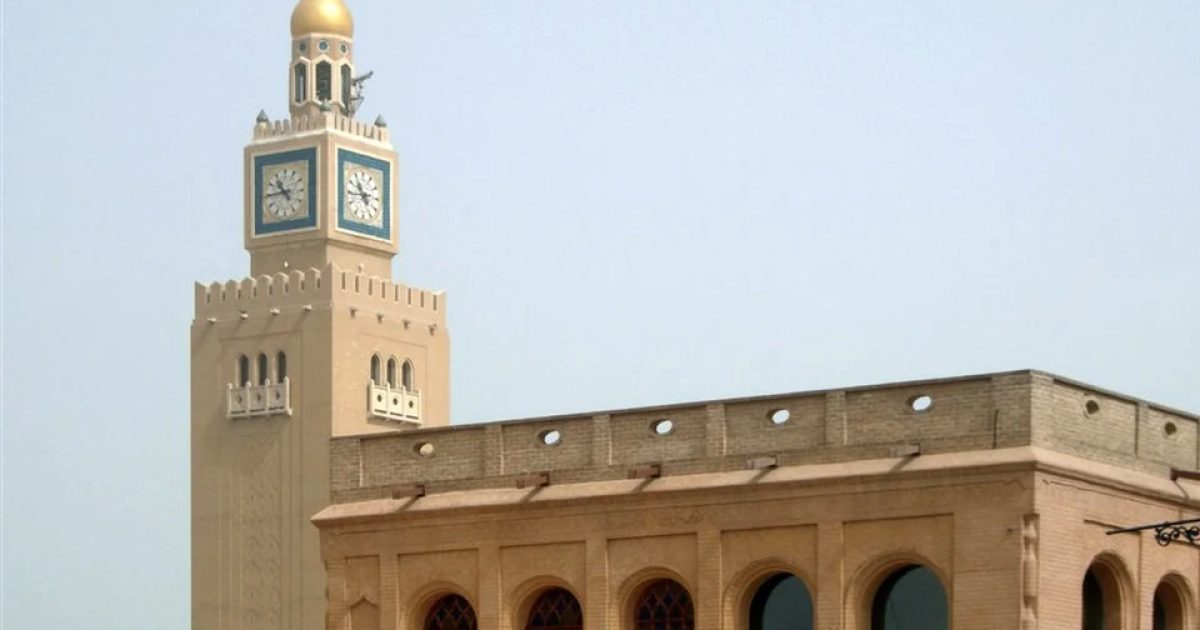
The waqf (Islamic endowment) system is one of the most significant legal institutions in Islamic jurisprudence, and Kuwaiti lawmakers have given it particular attention due to its pivotal role in social and economic development. In Kuwait, waqf serves as a cornerstone of charitable work and social solidarity, with roots extending deep into the country's heritage and governed by a modern legal framework that regulates its affairs and protects the rights of beneficiaries. This article provides a comprehensive overview of the legal framework governing waqf in Kuwait, highlighting contemporary applications and the challenges facing this institution.
Definition and Types of Waqf in Kuwaiti Law
In Islamic jurisprudence, waqf refers to the dedication of property — removing it from private ownership and disposal — so that its benefits may be directed toward charitable or specified purposes. Kuwaiti law has adopted and codified this concept within a comprehensive legal framework. Waqf under Kuwaiti law is divided into two principal categories:
- Charitable Waqf (Waqf Khayri): An endowment whose benefits are directed from the outset toward public charitable purposes, such as the construction of mosques, hospitals, and schools, or the support of the poor and needy. The revenue from this type of waqf is spent on general charitable causes rather than being designated for specific individuals.
- Family Waqf (Waqf Dhurri / Ahli): An endowment whose benefits are initially directed to the endower or their descendants and relatives, eventually reverting to charitable purposes once the designated line of beneficiaries is exhausted. This type raises numerous legal complexities related to beneficiary rights, income distribution, and property management.
A waqf may also be of a mixed character, where part of the revenue is allocated to descendants and another part to general charitable purposes — known as a combined or shared waqf.
Legislative Framework for Waqf in Kuwait
The waqf system in Kuwait is grounded in a comprehensive legislative framework drawing on several legal sources:
- Decree-Law No. 35 of 1962 Concerning Awqaf: This law represents the cornerstone of waqf regulation in Kuwait, establishing the general rules for waqf creation, management, and supervision. It has been amended several times to keep pace with economic and social developments.
- The Personal Status Law (Law No. 51 of 1984): Contains provisions relevant to waqf in the context of inheritance, bequests, and family rights, particularly regarding the relationship between family waqf and inheritance rules.
- Regulations Governing the Kuwait Awqaf Public Foundation (KAPF): The Foundation is the governmental body responsible for overseeing waqf affairs, managing waqf properties, and developing waqf assets, issuing necessary regulations and administrative decisions.
Conditions for Valid Waqf Establishment and Registration
Kuwaiti law stipulates several essential conditions for the valid creation of a waqf:
- Legal Capacity of the Endower: The endower must be an adult of sound mind, acting of their own free will, not under legal guardianship, and must hold full and unencumbered ownership of the property to be endowed.
- Declaration of Intent: The waqf must be established through a clear declaration that reflects the endower's intention to dedicate the property and direct its benefits. While oral declarations are recognized, formal written documentation is strongly recommended to safeguard rights.
- The Endowed Property: The property must be specifically identified, known, and capable of generating benefit while its substance remains intact — traditionally real estate, land, and buildings. Modern jurisprudence has expanded this to include financial instruments such as securities, shares, and sukuk.
- Designation of Purpose: The beneficiaries or charitable purposes to which the waqf's income will be directed must be clearly specified.
Regarding registration and documentation, waqf properties must be registered with the competent official authorities, particularly the Real Estate Registration Department for endowed real estate. Registration is essential for establishing and protecting the waqf against encroachment or disputes. The Kuwait Awqaf Public Foundation also maintains dedicated records of all registered endowments.
Role of the Kuwait Awqaf Public Foundation (KAPF)
The Kuwait Awqaf Public Foundation is the government body entrusted with supervising, managing, and developing waqf affairs. Its responsibilities include:
- Managing charitable endowments and overseeing the distribution of their income in accordance with the endowers' stipulations.
- Developing and investing waqf assets to maximize returns while preserving the principal endowed capital.
- Maintaining and preserving endowed properties against deterioration or loss.
- Supervising and auditing nazirs (administrators) of family endowments.
- Providing legal support and advisory services on waqf matters.
- Implementing developmental waqf projects that serve Kuwaiti society.
KAPF has achieved notable progress in developing Kuwait's waqf sector through the launch of diverse investment projects in education, healthcare, and social welfare.
Waqf Property Management and Investment
The management of waqf assets in Kuwait is subject to strict Sharia and legal controls aimed at protecting endowed assets and growing their returns. Those responsible for waqf management must adhere to several core principles:
- Preservation of Principal: The sale, gifting, or mortgaging of the endowed principal is prohibited, except in cases of istibdal (replacement) as prescribed by law.
- Revenue Growth: Investment of waqf funds in projects that generate income for the purposes specified in the waqf deed is encouraged.
- Sharia Compliance: All investments must conform to the principles of Islamic law and avoid prohibited transactions.
In the modern context, Kuwait has seen significant innovation in waqf investment methods. Investment is no longer confined to traditional real estate but extends to diversified investment portfolios, real estate funds, and waqf sukuk — reflecting the flexibility of the Kuwaiti legal system in adapting to evolving economic realities.
Istibdal: Replacement of Waqf Property
Istibdal — the exchange or replacement of endowed property with another asset when circumstances require — is one of the most important legal issues in waqf law. Under Kuwaiti law, istibdal is subject to specific conditions and procedures:
- A genuine need must exist, such as the property becoming unusable or falling into disrepair.
- Authorization must be obtained from the competent authority — either the court or KAPF, depending on the type of waqf.
- The replacement property must be equal to or greater in value than the original endowed asset.
- The exchange must be officially documented and the new property registered in the name of the waqf.
The regulation of istibdal aims to balance the preservation of the original endower's intent with the practical interests of the waqf and its beneficiaries amid changing economic conditions.
Beneficiary Rights and the Role of the Nazir
Kuwaiti law guarantees the rights of waqf beneficiaries (mustahiqqun) — the individuals or entities entitled to receive the waqf's income according to the endower's conditions. Key rights include:
- The right to receive their share of waqf revenue at the designated times.
- The right to inspect and review the waqf's accounts.
- The right to seek judicial recourse if their rights are violated or the waqf is mismanaged.
- The right to petition for the removal of a negligent or dishonest nazir.
The nazir (also called mutawalli) is the person appointed to administer the waqf and oversee its affairs. A nazir may be designated in the waqf deed itself or appointed by the competent court. The nazir is obligated to manage the waqf with integrity and prudence, maintain its properties, and distribute its income according to the endower's stipulations. Nazirs are subject to oversight by both KAPF and the courts, and may be removed upon proof of negligence or breach of trust.
Judicial Supervision of Waqf Disputes
Kuwaiti courts have jurisdiction over disputes related to waqf, including:
- Determining the validity or invalidity of a waqf's establishment.
- Interpreting the endower's conditions when disagreements arise over their meaning.
- Adjudicating beneficiaries' claims regarding their entitlements.
- Ruling on istibdal applications and authorizations.
- Appointing, removing, and auditing nazirs.
- Resolving disputes among beneficiaries over income distribution.
The Kuwait Constitutional Court has established important principles in waqf jurisprudence, particularly regarding the balance between the protection of private property rights and the public interest served by the waqf system. Kuwaiti case law has also contributed to the development of legal reasoning on contemporary waqf issues, especially those related to investment governance and accountability.
Family Waqf Disputes and Succession Issues
Family (dhurri) waqf gives rise to complex legal issues, particularly as generations pass and lines of beneficiaries multiply. Among the most common matters brought before the courts:
- Identifying Beneficiaries: Disputes often arise over the interpretation of the endower's stipulations regarding who qualifies as a beneficiary, especially after many generations.
- Income Distribution: Beneficiaries may disagree over how waqf revenue should be divided and each party's proportionate share.
- Conflict with Inheritance Rules: Family waqf may conflict with mandatory Sharia inheritance provisions, requiring judicial intervention to reconcile the two systems.
- Termination of Family Waqf: Whether a family waqf can be legally dissolved is a question on which juristic and legal opinions diverge.
Handling family waqf disputes requires specialized legal expertise that combines a thorough understanding of Islamic jurisprudence with knowledge of Kuwaiti statutory law.
Termination and Dissolution of Waqf
While waqf is in principle perpetual, there are circumstances under which it may come to an end:
- Total destruction of the endowed property rendering it incapable of generating benefit, where replacement is not feasible.
- Extinction of the line of beneficiaries in a family waqf without a designated charitable alternative — a rare occurrence in practice.
- A judicial ruling invalidating the waqf for failure to meet its Sharia or legal requirements.
- Compulsory acquisition for public interest purposes in accordance with established legal procedures, with fair compensation directed to the same waqf purposes.
Tax and Zakat Considerations
Waqf properties in Kuwait benefit from a special tax treatment reflecting their charitable and social nature. Charitable endowments are generally exempt from taxes and fees, in order to encourage philanthropic activity and support waqf institutions. As for zakat, juristic opinions vary on whether zakat is due on waqf assets, depending on the type of waqf and the nature of its holdings. Professional advice should be sought on these matters.
Conclusion
Kuwait's waqf system represents a distinguished model of integration between Islamic jurisprudence and modern statutory law. The Kuwaiti legislature has succeeded in building a coherent legal framework that regulates waqf affairs and protects the rights of all stakeholders. As waqf-related legal complexities continue to grow — particularly in the areas of real estate investment, family disputes, and waqf governance — the need for specialized legal counsel becomes ever more apparent.
If you require legal advice on establishing or managing a waqf, resolving waqf-related disputes, or navigating the regulatory landscape, the team at Yumnaak Law Firm is ready to provide expert legal counsel and the support necessary to protect your rights. Contact us to schedule a consultation with our attorneys specializing in waqf law and personal status matters.