The waqf (Islamic endowment) is one of the oldest and most enduring legal institutions in Islamic jurisprudence. Kuwait's legislature has given it particular attention, establishing a comprehensive legal framework that protects the rights of both founders and beneficiaries. This article provides an overview of the key provisions governing waqf under Kuwaiti law, its types, formation requirements, and modern applications.
Definition and Types of Waqf
A waqf is the dedication of property — removing it from private ownership — and directing its income or usufruct to a specified purpose. Kuwaiti law recognizes three main categories:
- Charitable Waqf (Waqf Khayri): Property whose income is devoted from inception to a public charitable purpose, such as building mosques, schools, hospitals, or supporting the poor.
- Family Waqf (Waqf Dhurri / Ahli): Property whose income benefits the founder, their descendants, or named individuals, eventually reverting to a charitable purpose when the designated beneficiaries are exhausted.
- Combined Waqf: A hybrid that allocates part of the income to family members and part to charitable causes.
Legal Framework and Formation Requirements
Waqf in Kuwait is governed by dedicated waqf legislation and relevant provisions of the Civil Code, supplemented by ministerial decisions and directives from the General Secretariat of Awqaf. To validly establish a waqf, the following conditions must be met:
- The founder must have legal capacity to make a gratuitous disposition — meaning they must be of sound mind, of legal age, acting voluntarily, and not under interdiction.
- The property must be identifiable, fully owned by the founder, and capable of yielding benefit while preserving its substance.
- The purpose of the waqf must be lawful and permissible under Sharia.
- The waqf declaration must be expressed in clear, definitive terms, whether oral or written.
- Official registration with the competent authorities is required for enforceability.
The General Secretariat of Awqaf
The General Secretariat of Awqaf plays a central supervisory role over waqf affairs in Kuwait. Its responsibilities include:
- Registering and documenting all waqf endowments and maintaining comprehensive records.
- Overseeing the management and investment of waqf assets to fulfill the founder's objectives.
- Appointing and supervising nazirs (administrators) and monitoring their performance.
- Protecting waqf properties from encroachment or neglect.
- Developing waqf projects and promoting modern waqf investment vehicles.
Waqf Administration and the Nazir
The nazir is the individual or entity responsible for managing the waqf property and carrying out its purposes. The founder may designate themselves or another person as nazir in the waqf deed. If no nazir is appointed, the General Secretariat of Awqaf assumes this role. A nazir's duties include:
- Preserving and maintaining waqf assets.
- Collecting income and distributing it to beneficiaries according to the founder's stipulations.
- Refraining from disposing of waqf property without authorization from the competent authority.
- Submitting periodic financial reports on waqf administration.
Istibdal and Beneficiary Rights
Istibdal refers to the exchange or substitution of one waqf asset for another — for example, selling a waqf property and purchasing a replacement. This is permitted only under strict conditions and with the approval of the relevant judicial or administrative authority, to safeguard the waqf's corpus and the interests of beneficiaries. Beneficiary rights are determined by the terms set out in the waqf deed, and no beneficiary may be deprived of their share except for a legitimate legal or Sharia-based reason.
Waqf Disputes and Court Jurisdiction
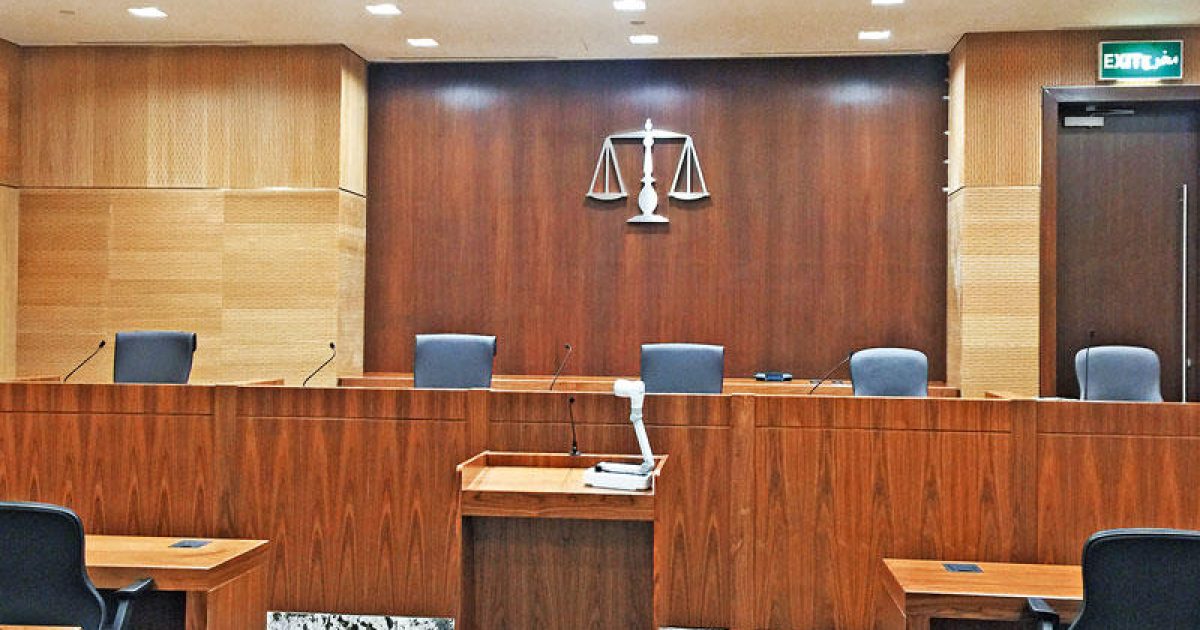
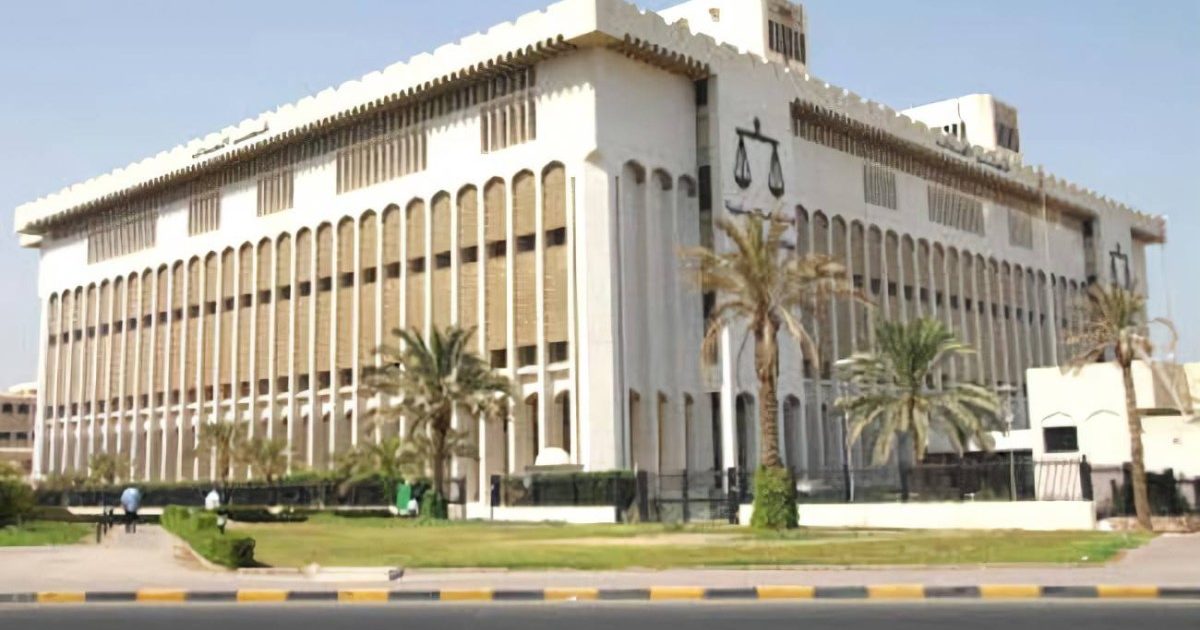
Kuwaiti courts have jurisdiction over waqf-related disputes, including challenges to the validity of a waqf, interpretation of the founder's conditions, removal or accountability of a nazir, beneficiary entitlements, and istibdal matters. Certain waqf cases may fall within the personal status court divisions, given the Sharia-based nature of waqf law. Engaging a specialized lawyer is strongly recommended in such proceedings.
Modern Waqf Applications
The waqf sector in Kuwait has evolved considerably in recent decades, with several contemporary forms gaining prominence:
- Cash Waqf: Monetary endowments where the principal is invested and the returns are spent on charitable purposes.
- Share Waqf: Endowment of corporate shares, with dividends directed to waqf objectives.
- Waqf Funds: Modern investment vehicles that pool contributions from multiple founders and manage them professionally.
These contemporary instruments have broadened participation in waqf and enhanced its social and economic impact.
Waqf vs. Trust and Other Instruments
A waqf differs from a bequest (wasiyyah) in that a waqf takes effect during the founder's lifetime and continues after death, whereas a bequest is executed only posthumously. It also differs from the common-law trust: a waqf is, according to the prevailing juristic opinion, irrevocable once established, whereas a trust may be revocable depending on its terms. Both instruments, however, serve the purpose of dedicating assets for the benefit of others.
Tax Treatment and Termination
Waqf income in Kuwait generally enjoys favorable tax treatment, with charitable waqf revenues typically exempt from taxation to encourage philanthropic activity. Regarding termination, a charitable waqf is in principle perpetual and irrevocable. A family waqf, however, may come to an end upon the extinction of the founder's designated line of descendants, in accordance with the waqf's terms.
Practical Advice for Establishing a Waqf in Kuwait
If you are considering establishing a waqf in the State of Kuwait, we recommend the following steps:
- Define the waqf's purpose clearly and draft its conditions with precision.
- Consult a lawyer who specializes in waqf and endowment law before initiating the process.
- Register the waqf with the relevant official authorities to ensure its legal enforceability.
- Select a competent and trustworthy nazir to manage the waqf assets.
- Coordinate with the General Secretariat of Awqaf to understand procedural requirements.
The team at Yumnaak Law Firm is pleased to provide specialized legal counsel on waqf matters, including drafting waqf deeds, documentation, and liaising with the competent authorities on your behalf. Do not hesitate to contact us to schedule a consultation.