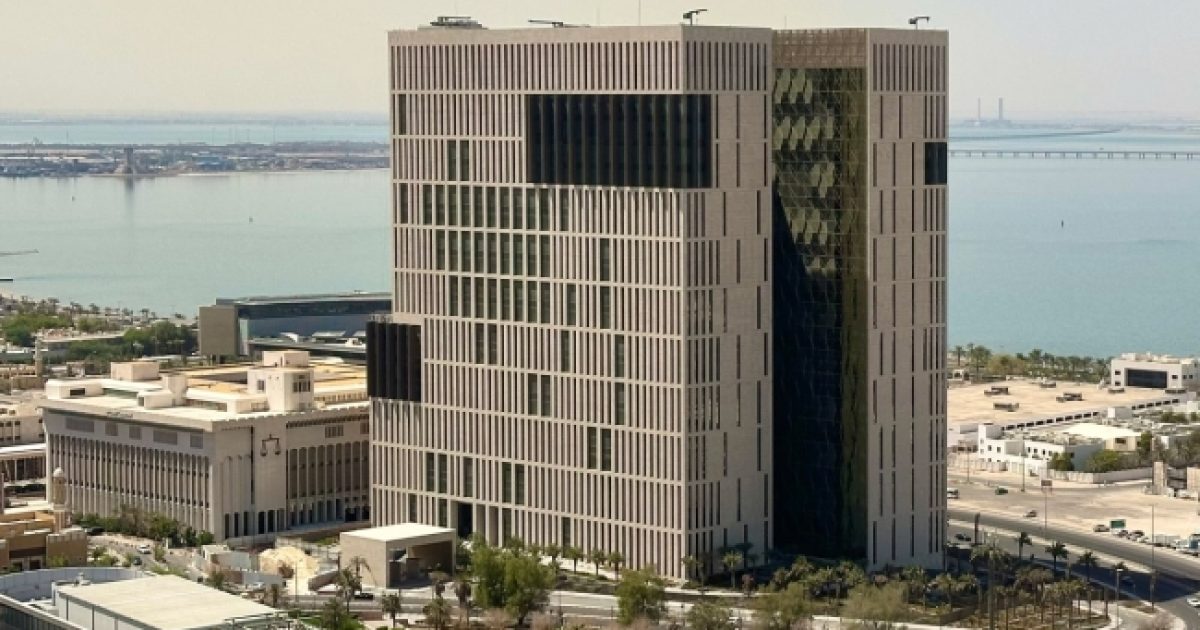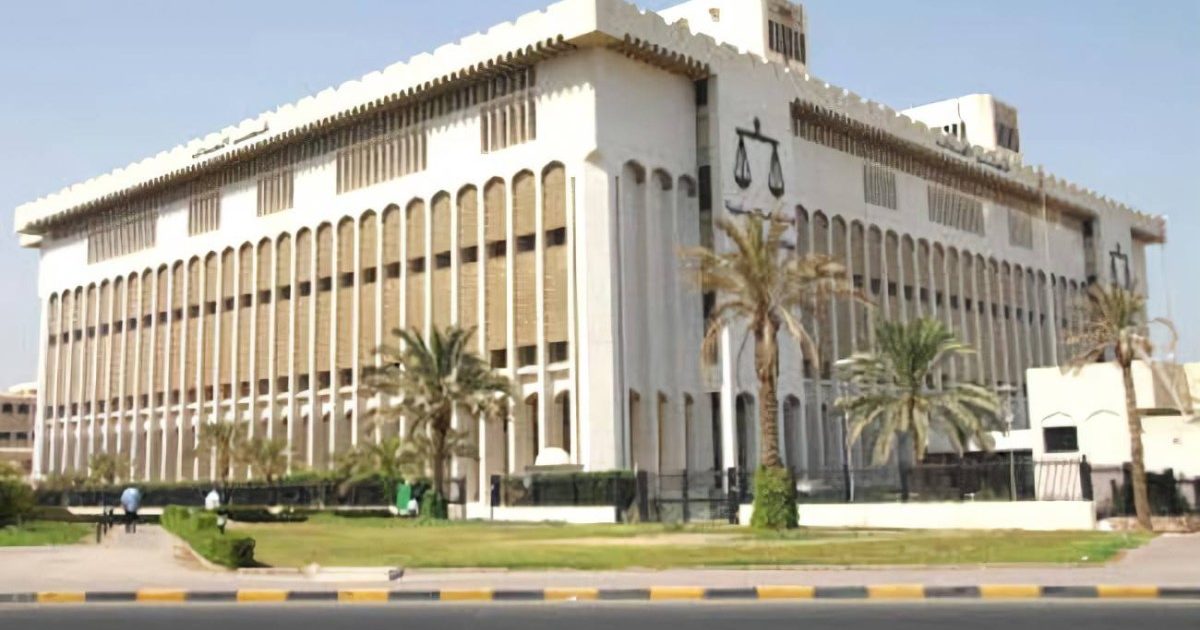
Damage does not always require a direct human act — it may result from a building collapse, a machine defect or an animal attack. The Kuwaiti Civil Code holds the keeper of a thing or the owner of an animal liable for compensation — a strict liability that does not require proof of fault.
Presumed liability: the injured party need only prove the damage and its connection to the thing — the keeper must prove an extraneous cause to escape liability.
Contents
1) The Keeper's Liability
- Keeper: the person with actual control over the thing in terms of use, direction and supervision — not necessarily the owner.
- Things covered: anything requiring special care — machines, vehicles, chemicals, electrical wiring.
- Strict liability: the injured party does not need to prove the keeper's fault — it suffices to prove the damage arose from the thing.
- Irrebuttable presumption: for highly dangerous things the keeper cannot rebut liability even by proving due care.
Legal basis: Article 243 of the Kuwaiti Civil Code provides for the liability of keepers of things requiring special care. See vicarious liability.
2) The Building Owner's Liability
A special and strict liability for damage caused by buildings:
- Total or partial collapse: the building owner is liable for any damage resulting from collapse.
- Construction defects: liability arises whether the collapse was due to a construction defect or neglect of maintenance.
- Falling parts: even a falling tile or glass facade triggers liability.
- Contractor and engineer: may share liability if the defect resulted from a design or execution error.
Ten-year warranty: the contractor and engineer are jointly liable for fundamental construction defects for ten years from handover. See construction contracts.
3) Dangerous Machines and Equipment
Common examples
- Lifts and elevators.
- Cranes and construction equipment.
- Power-transmission lines.
- Gas cylinders.
Who is liable?
- The factory or facility owner.
- The actual operator of the machine.
- The maintenance company (if the defect was due to poor maintenance).
- The manufacturer (if the defect was in manufacturing).
Workplace injuries: if a worker is injured by a machine during work, workplace-injury rules apply in addition to the keeper's liability. See workplace injuries and compensation.
4) The Animal Keeper's Liability
- The keeper is liable: the animal's keeper is liable for any damage the animal causes — whether it was in their custody or had strayed or escaped.
- Domestic and wild animals: liability covers all types of animals.
- Custody, not ownership: the person actually keeping the animal is liable — not necessarily the owner.
- Attack or damage: whether the animal bit a person, damaged property or caused a traffic accident.
Dangerous dogs: keeping dangerous breeds may attract heightened liability — some municipalities prohibit keeping them or require a special permit.
5) Conditions for Liability
- Existence of a thing or animal: requiring special care or of a nature that may cause harm.
- The thing's involvement in causing the damage: the thing must be a cause of the damage, not merely present at the scene.
- Custody: the responsible party must have actual control over the thing or animal.
- Damage: actual material, physical or moral damage must have occurred.
- Causation: a direct link between the thing and the damage.
6) Grounds for Exemption
The keeper is exempted only by proving an extraneous cause:
- Force majeure: an unforeseeable and irresistible event (earthquake, hurricane).
- Victim's fault: if the injured party caused the damage themselves (e.g. climbing a fence to play with an animal).
- Third-party fault: intervention by a third party who was the real cause.
- Absence of custody: proof that the keeper was not in custody at the time (e.g. the thing was stolen).
Warning: merely proving that the keeper took all precautions is not enough — the specific extraneous cause must be established.
7) Liability Insurance
- Compulsory insurance: certain activities require compulsory insurance (vehicles, lifts).
- Voluntary insurance: civil-liability insurance is recommended for any establishment.
- Direct action: the injured party may claim directly against the insurer.
- Coverage limits: insurance covers compensation but does not prevent criminal liability.
Motor insurance: compulsory motor insurance is the most common form of liability insurance. See traffic accidents.
8) Practical Guidance
For property and animal owners
- Maintain your property regularly — neglect exposes you to liability.
- Obtain comprehensive civil-liability insurance.
- Place warning signs in hazardous areas.
- Keep your animals under control in public areas.
For injured parties
- Document the damage immediately with photos and reports.
- Identify the actual keeper at the time of the damage.
- Report to the competent authorities (police, municipality).
- Consult a lawyer to assess compensation before accepting any settlement.
Suffered damage from a building, machine or animal and need compensation? Contact Attorney Meshari Obaid Al-Enezi — Yumnaak Law Firm.