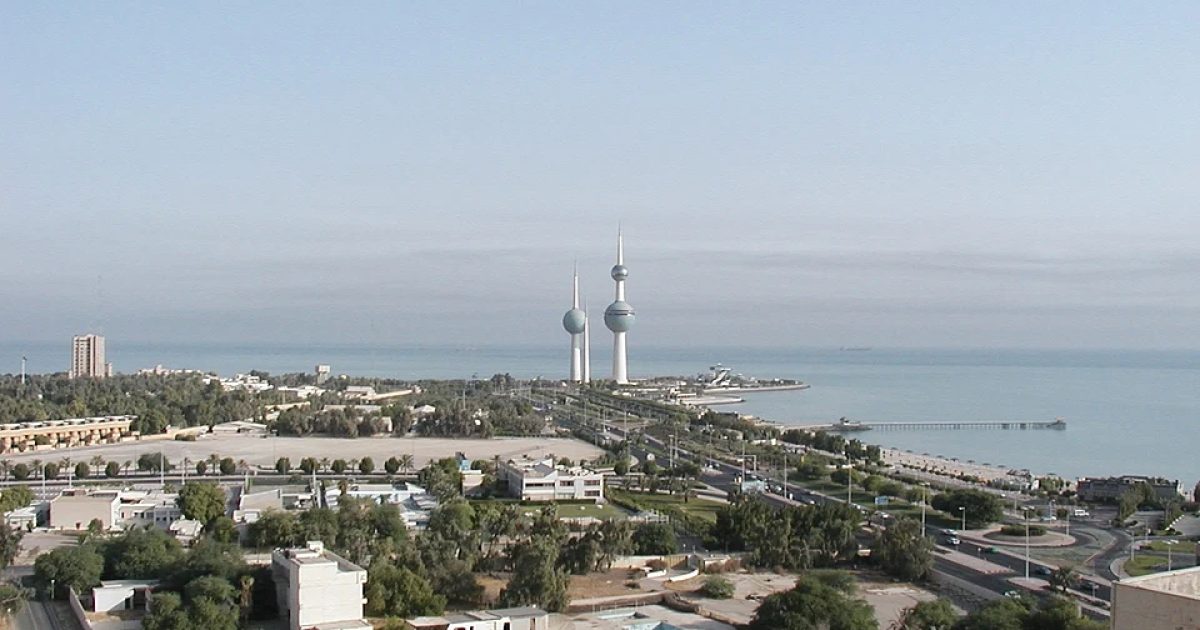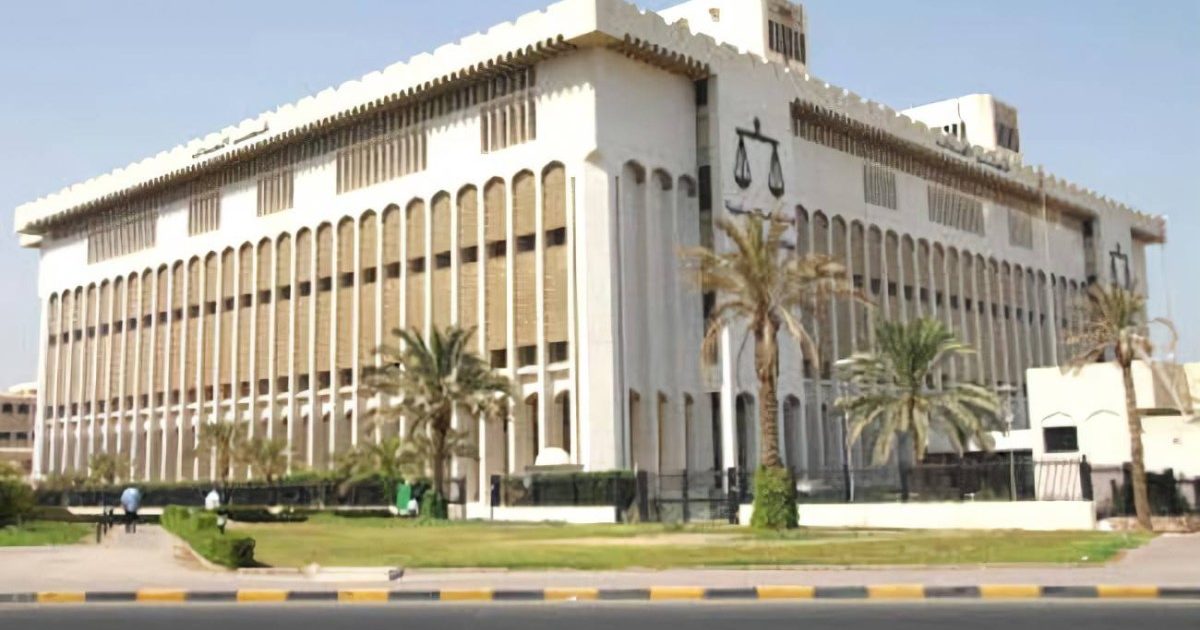
Kuwait places growing importance on environmental protection and the conservation of its natural resources. Law No. 42 of 2014 on Environmental Protection serves as the primary legislative framework governing this area. The law contains wide-ranging provisions addressing pollution control, waste management, environmental impact assessment, and deterrent penalties for violations. This article examines the key features of this law and the obligations and liabilities it imposes.
The Environment Public Authority — Kuwait's Regulatory Body
Kuwait established the Environment Public Authority (EPA) as the government body responsible for formulating environmental policies and overseeing their implementation. The EPA holds broad powers, including:
- Issuing binding environmental regulations and standards for all sectors.
- Granting environmental licenses to industrial and commercial establishments and monitoring their compliance.
- Conducting environmental inspections and exercising judicial enforcement powers.
- Taking necessary measures to address environmental emergencies such as oil spills.
- Coordinating with other government agencies and international organizations on environmental protection.
Pollution Control — Air, Water, and the Marine Environment
The law imposes strict controls on various pollution sources and regulates several key areas:
Air Pollution and Emissions: The law requires industrial facilities and power stations to comply with ambient air quality standards and emission limits set by the EPA. This includes limiting greenhouse gas emissions and particulate pollutants, with facilities required to install emission monitoring and treatment systems.
Water Pollution and Marine Protection: Given the importance of Kuwait's coastline and marine environment, the law prohibits the discharge of waste and pollutants into territorial waters without prior treatment to approved standards. It provides special protection for the marine environment against oil pollution and industrial discharge, and requires vessels to comply with marine pollution prevention requirements.
Noise Pollution: The law regulates permissible noise levels in residential, industrial, and commercial zones, requiring facilities to take necessary measures to reduce noise from their operations.
Waste Management and Hazardous Waste
Waste management regulation is one of the law's most prominent pillars, with detailed provisions that include:
- Requiring facilities to sort, classify, and handle waste according to approved standards.
- Regulating the transport and disposal of hazardous waste through environmentally safe methods.
- Prohibiting the import of hazardous waste or internationally banned substances, in line with Kuwait's obligations under the Basel Convention.
- Requiring special permits for waste collection, treatment, and disposal activities.
Environmental Impact Assessment and Licensing
The law requires project owners to conduct an Environmental Impact Assessment (EIA) before commencing any project that may adversely affect the environment. The study must analyze potential environmental risks and identify appropriate mitigation measures. Major industrial and construction projects cannot obtain the necessary permits without EPA approval of the EIA.
Existing industrial facilities are also required to obtain environmental licenses, renew them periodically, comply with the environmental conditions specified in the license, and notify the EPA of any material changes to their operations.
Protected Areas and the Oil Industry
Nature Reserves and Wildlife Conservation: The law provides for the protection of designated natural areas and the preservation of biodiversity. Activities that may harm wildlife or their natural habitats within these areas are prohibited. The EPA is responsible for designating and managing protected areas in accordance with appropriate conservation standards.
Oil Industry Obligations: Given the central importance of the oil sector to Kuwait's economy, the law imposes stringent environmental obligations on oil and gas companies. These include preventing oil spills, treating industrial waste, rehabilitating environmentally damaged sites, and preparing comprehensive environmental emergency plans.
Criminal Penalties and Civil Liability
The law contains deterrent penalties that escalate according to the severity of the violation, including fines, imprisonment, facility closure, and requiring the violator to remove pollution sources at its own expense. Penalties are enhanced in cases of serious, intentional, or repeated pollution.
The law enshrines the "polluter pays" principle, whereby the party causing environmental pollution bears full responsibility for compensating all resulting damage, whether environmental harm or damage to third parties. Those harmed by environmental pollution have the right to file civil lawsuits seeking compensation. The law also grants the EPA standing to bring claims relating to public environmental damage.
International Commitments and Compliance
Kuwait is party to several international environmental agreements that complement the domestic legal framework, most notably:
- The Paris Agreement on Climate Change: committing Kuwait to contribute to global efforts to reduce greenhouse gas emissions.
- The Basel Convention: governing the transboundary movement and disposal of hazardous waste.
- Regional Agreements: such as the Protocol for the Protection of the Marine Environment of the Arabian Gulf.
Businesses operating in Kuwait must take these international commitments into account alongside domestic legislation when planning their activities and operations.
Practical Compliance Advice for Businesses
To ensure compliance with environmental protection law and avoid penalties, we advise companies and facilities to:
- Ensure all required environmental licenses and permits are obtained and renewed on time.
- Appoint a dedicated environmental officer to oversee compliance and liaise with the EPA.
- Conduct periodic internal environmental audits to verify adherence to applicable standards.
- Maintain accurate records of emissions, waste, and environmental activities, and submit required reports to the relevant authorities.
- Develop an environmental emergency response plan and conduct regular drills.
Environmental matters require a thorough understanding of both domestic legislation and relevant international agreements. If you need specialized legal advice on environmental law, or face a compliance or environmental liability issue, the team at Yumnaak Law Firm is fully prepared to provide expert legal counsel and help protect your interests.