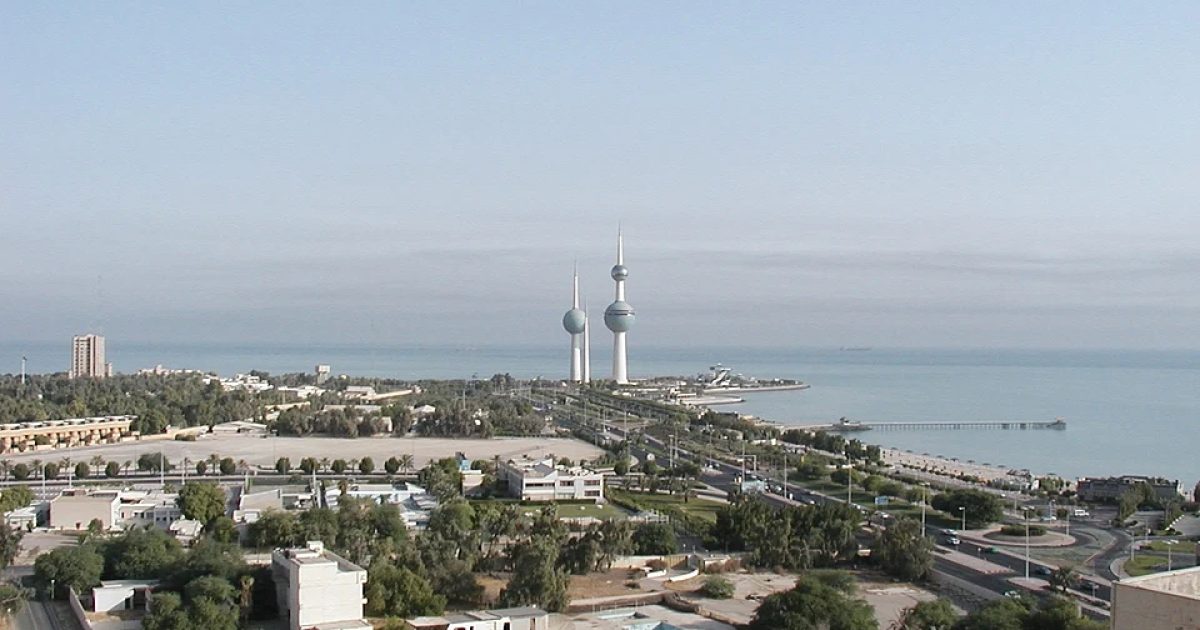
Environmental protection has become a national priority in Kuwait, and Law No. 42 of 2014 on Environmental Protection serves as the comprehensive legislative framework governing the relationship between economic activities and the natural environment. This law consolidates previously scattered environmental regulations into a unified legal system that addresses pollution, resource depletion, and ecological conservation.
Given Kuwait's unique environmental challenges — including industrial and petroleum-related pollution, waste management pressures, and the need to protect marine and terrestrial biodiversity — this law carries particular significance for businesses, developers, and individuals operating in the country.
Scope of the Law and Protected Natural Resources
Law 42/2014 casts a wide protective net over all elements of Kuwait's natural environment, including:
- Marine environment: Territorial waters, coastlines, coral reefs, and marine organisms are protected from pollution, over-fishing, and habitat destruction.
- Terrestrial environment: Nature reserves, wildlife, vegetation cover, and soil quality fall under the law's protection.
- Air quality: The law regulates atmospheric emissions, particulate matter, and greenhouse gases from industrial and commercial sources.
- Water resources: Groundwater reserves, freshwater sources, and desalination facilities are safeguarded against contamination.
Any activity that could harm these resources requires prior licensing from the Environment Public Authority (EPA), and relevant entities must develop management plans for the sustainable use and preservation of natural resources.
Environmental Impact Assessments and Pollution Control
One of the law's cornerstones is the mandatory Environmental Impact Assessment (EIA) requirement before commencing any industrial, construction, or development project that may affect the environment. An EIA must comprehensively evaluate potential impacts on air, water, soil, and biodiversity, along with a detailed mitigation plan.
Regarding pollution control, the law establishes stringent standards:
- Maximum permissible limits for industrial and gaseous emissions.
- Prohibition on discharging untreated liquid waste into water bodies.
- A ban on disposing of solid or hazardous waste outside designated facilities.
- Regulation of chemical substances and pesticide use.
The EPA monitors compliance through specialized inspection teams and continuous environmental monitoring systems.
Waste Management and Corporate Liability
The law devotes substantial attention to waste management, requiring industrial and commercial establishments to:
- Segregate waste at source and classify it by type (ordinary, hazardous, medical, electronic).
- Engage licensed contractors for the transport and safe disposal of hazardous waste.
- Maintain accurate records of waste volumes produced and disposal methods used.
- Apply reduce, reuse, and recycle principles wherever feasible.
Critically, the law imposes corporate liability for environmental damage caused by a company's activities, whether through negligence or deliberate violation. This includes civil liability for compensating individuals and the public for environmental harm, as well as bearing the full costs of pollution cleanup and site rehabilitation.
Penalties for Environmental Violations
Law 42/2014 introduces a robust penalty regime designed to deter environmental offences. Sanctions are graduated according to the severity of the violation and include:
- Monetary fines: Varying in amount based on the nature and gravity of the offence, with substantial fines for cases of serious pollution.
- Imprisonment: Custodial sentences may be imposed for grave violations such as illegal disposal of hazardous waste or causing environmental disasters.
- Suspension and closure: The EPA can order the temporary or permanent shutdown of non-compliant facilities.
- Remediation obligations: Offenders must remediate the environmental damage and bear all rehabilitation costs.
Repeat offenders face enhanced penalties, and courts may confiscate materials and equipment used in committing environmental violations.
The Role of the Environment Public Authority
The Environment Public Authority (EPA) is Kuwait's primary regulatory body for environmental protection. Its broad mandate includes:
- Issuing environmental permits and approving EIA reports.
- Conducting scheduled and surprise inspections of facilities.
- Documenting violations and referring cases to the Public Prosecution.
- Developing executive regulations and national environmental standards.
- Coordinating with other government agencies and regional and international environmental organizations.
In recent years, Kuwait has seen a notable strengthening of environmental enforcement, with the EPA intensifying inspections of industrial facilities and waste disposal sites. Several high-profile cases of marine and industrial pollution have drawn public attention and resulted in enforcement action.
Conclusion
Law No. 42 of 2014 on Environmental Protection represents a significant advancement in Kuwait's legislative framework, providing a comprehensive legal structure that balances economic development needs with environmental conservation imperatives. As environmental awareness grows and regulatory enforcement tightens, compliance with environmental provisions has become essential — not optional — for all businesses and institutions operating in Kuwait.
If you have questions about environmental compliance, EIA requirements for your projects, or need legal counsel regarding an environmental violation or a claim for environmental damage compensation, the team at Yumnaak Law Firm is ready to provide specialized legal advice and help protect your rights and interests.