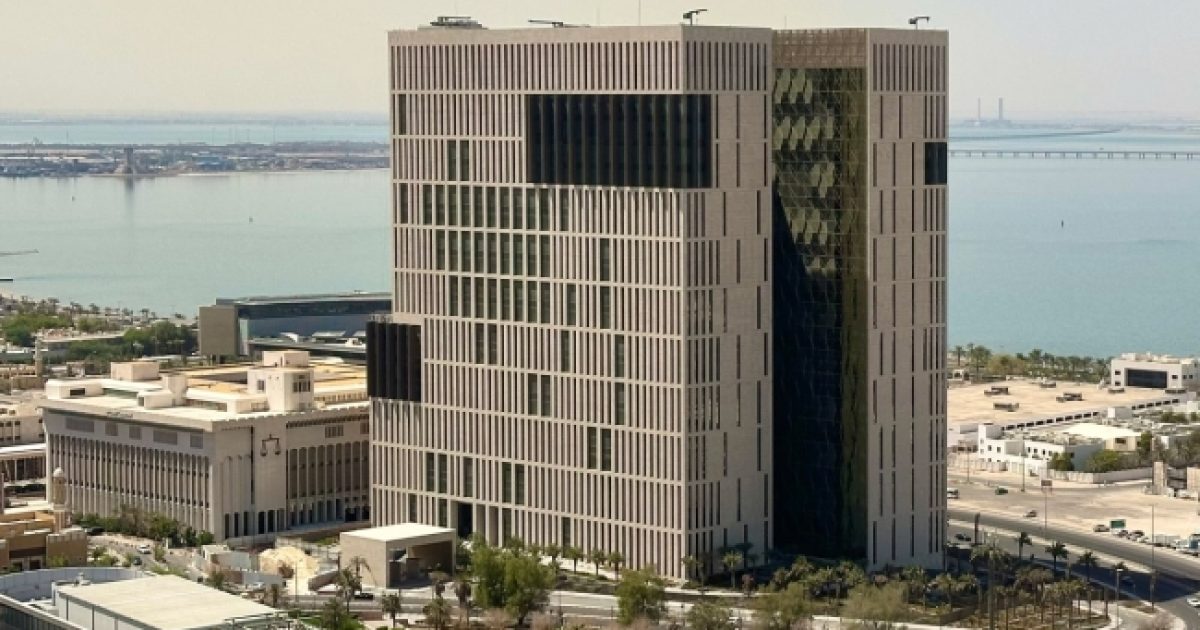
The construction sector is one of the most dynamic pillars of the Kuwaiti economy, with large-scale infrastructure, housing, and commercial projects underway across the country. Given the multiplicity of stakeholders and the complexity of contractual relationships involved, disputes are common and demand a solid understanding of the legal framework. This article examines the principal legal aspects of construction disputes under Kuwaiti legislation.
Construction Contract Essentials and Party Obligations
The Kuwaiti Civil Code regulates the construction contract (عقد المقاولة) as a nominate contract whereby one party (the contractor) undertakes to deliver a specified work in exchange for remuneration from the other party (the employer). A well-drafted construction contract should address the following core elements:
- Scope of works: A precise description of the works, technical specifications, and approved drawings.
- Price mechanism: Whether lump-sum, unit-rate, or cost-plus.
- Timeline: Start and completion dates, with intermediate milestones where applicable.
- Liquidated damages clauses: Pre-agreed compensation for breach of contractual obligations.
The contractor must execute the works in accordance with the agreed specifications and sound workmanship standards, supply materials unless otherwise agreed, and maintain site safety. The employer must deliver the site free of obstructions, make timely payments, and cooperate with the contractor to facilitate performance.
Regarding subcontracting, the law permits the main contractor to assign all or part of the work to a subcontractor unless the contract prohibits it or the nature of the work requires personal performance. The main contractor remains liable to the employer for the subcontractor's work.
Delay Penalties, Liquidated Damages, and Variation Orders
Delay penalties are among the most frequently litigated issues in construction disputes. Contracts typically include a penalty clause stipulating a daily rate for each day of delay, treated as liquidated damages. Kuwaiti courts retain discretionary power to adjust these amounts — upward or downward — if the agreed sum is disproportionate to the actual loss suffered by the employer.
Variation orders give the employer the right to modify the scope of works during execution, provided the changes do not fundamentally alter the nature of the project. The contractor is entitled to fair compensation for additional work and may request a time extension if the variations affect the programme. It is advisable to document every variation order in writing, with its cost and schedule impact agreed before execution begins.
Payment Certificates, Retention, and the Engineer's Role
Construction projects typically operate on interim payment systems tied to progress milestones, certified by the supervising engineer or consultant. The employer may withhold a percentage of each payment as retention money, serving as security for proper completion and defects rectification during the maintenance period.
Late payment by the employer is a leading cause of disputes and may entitle the contractor to suspend works or seek termination if the default is material and persistent. The supervising engineer plays a pivotal role in issuing completion and payment certificates and making technical determinations. The engineer's decisions are temporarily binding unless challenged through the contractually agreed dispute mechanism.
Project Handover and Decennial Liability
Project delivery typically proceeds in two stages: provisional acceptance (upon substantial completion of the main works, triggering the defects liability period) and final acceptance (after the maintenance period expires and all apparent defects have been remedied). The employer is entitled to issue written reservations at the time of acceptance.
One of the most significant statutory protections in Kuwaiti construction law is decennial liability (الضمان العشري). Under the Civil Code, the architect and the contractor are jointly and severally liable if the building suffers total or partial collapse, or if a defect threatening its safety or structural integrity appears, within ten years of delivery. This guarantee is a matter of public policy — it cannot be waived or shortened by agreement.
Dispute Resolution: Arbitration vs. Litigation
Kuwaiti law offers two principal avenues for resolving construction disputes:
- Litigation before the courts: The Court of First Instance has jurisdiction over construction claims. Courts routinely appoint technical experts to assess works and damages, which can extend the duration of proceedings.
- Arbitration: A popular choice for major construction contracts, offering speed, confidentiality, and specialist expertise. Kuwaiti law requires the arbitration clause to be in writing and to identify the subject matter of the dispute or the relationship from which it arises.
Many parties also incorporate tiered dispute resolution clauses — negotiation, then mediation, followed by arbitration or litigation.
Concerning force majeure, Kuwaiti law excuses a party from liability if non-performance results from an external cause beyond its control — such as natural disasters, epidemics, or sudden governmental decisions — provided the event was unforeseeable and unavoidable.
Government Projects, Public Tenders, and Insurance
Government construction projects are subject to special regulations under Kuwait's Public Tenders Law and the Central Agency for Public Tenders, which impose strict rules on pre-qualification, bid submission, and bank guarantees. Contractors are required to provide insurance coverage including: a bid bond at tender stage, a performance bond after award, third-party liability insurance, and contractor's all-risk insurance.
Both employer and contractor may terminate the contract in specified circumstances, such as material breach, contractor insolvency, or — in government contracts — requirements of public interest. The consequences of termination differ depending on whether it results from fault or from circumstances beyond the parties' control.
Practical Tips for Avoiding Construction Disputes
- Draft a clear and comprehensive contract that precisely defines scope, specifications, pricing, and timeline.
- Document all correspondence, variation orders, and meeting minutes in writing.
- Engage an independent consulting engineer to supervise execution and issue certificates.
- Include a clear tiered dispute resolution mechanism — negotiation, mediation, then arbitration or litigation.
- Observe contractual deadlines for submitting claims and delay notices.
- Maintain detailed daily site records documenting progress and any disruptions.
Construction disputes are inherently complex, blending technical engineering issues with intricate contractual and statutory questions. Whether you are involved in an ongoing construction dispute or seeking to draft a contract that protects your interests, the team at Yumnaak Law Firm is ready to provide specialized legal counsel and representation before courts and arbitration tribunals.